




**Achieving Dental Stability After Treatment in Chinese Mainland**
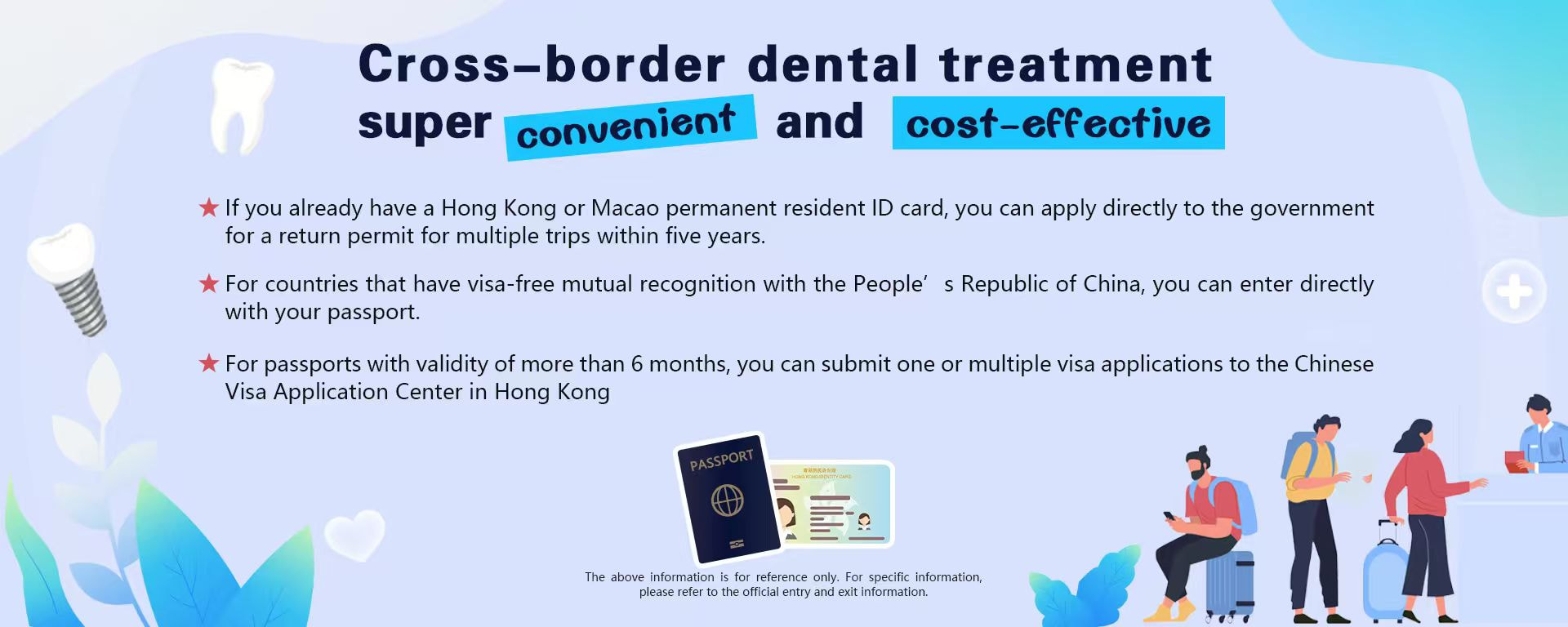
In recent years, many Hong Kong residents have opted to travel to Chinese Mainland cities like Shenzhen for dental treatments. The convenience of travel, variety of options, and quality services and equipment make it an attractive choice. However, a common question arises post-treatment: when can you consider your dental work stable enough to eat confidently and smile freely? Today, well explore the concept of dental stability and how to care for your teeth, using everyday Cantonese expressions.
**What is Dental Stability?**
Dental stability refers to the period after dental treatment when your teeth, gums, and oral environment have adapted to the new dental materials. This stage indicates a natural fusion with your original teeth, ensuring proper bite alignment without sensitivity, fractures, or discomfort. Achieving stability is not immediate; it depends on the location of the dental work, materials used, and your overall oral health.
**Typical Process of Dental Treatment in Chinese Mainland**
Before heading to Chinese Mainland for dental treatment, many Hong Kong residents book appointments online and undergo examinations by dentists upon arrival. The process usually begins with a cleaning or basic oral check-up to ensure no severe issues are present before proceeding with dental work. While some treatments can be completed in one visit, complex cases such as extensive cavities may require multiple sessions. Post-treatment, dentists often emphasize the importance of diet and oral hygiene, which are crucial factors affecting the duration of the stability period.
**When Does Post-Treatment Stability Occur?**
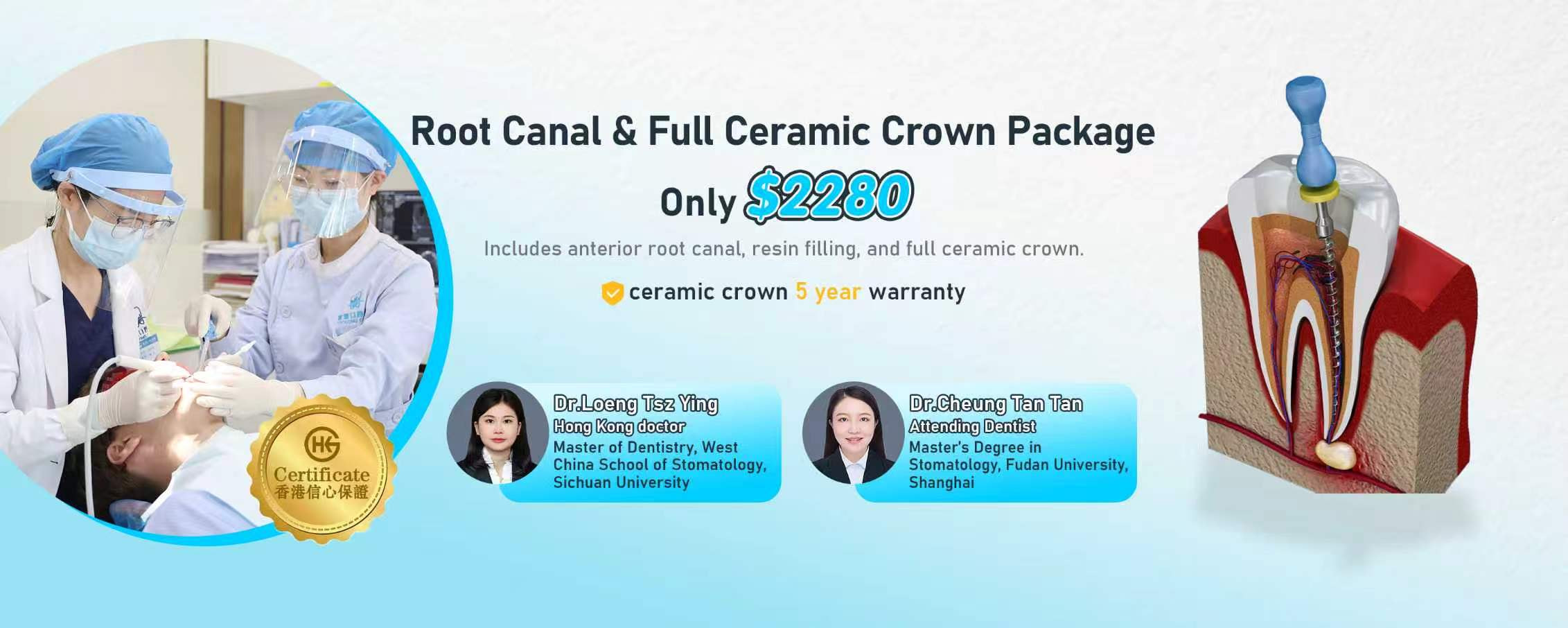
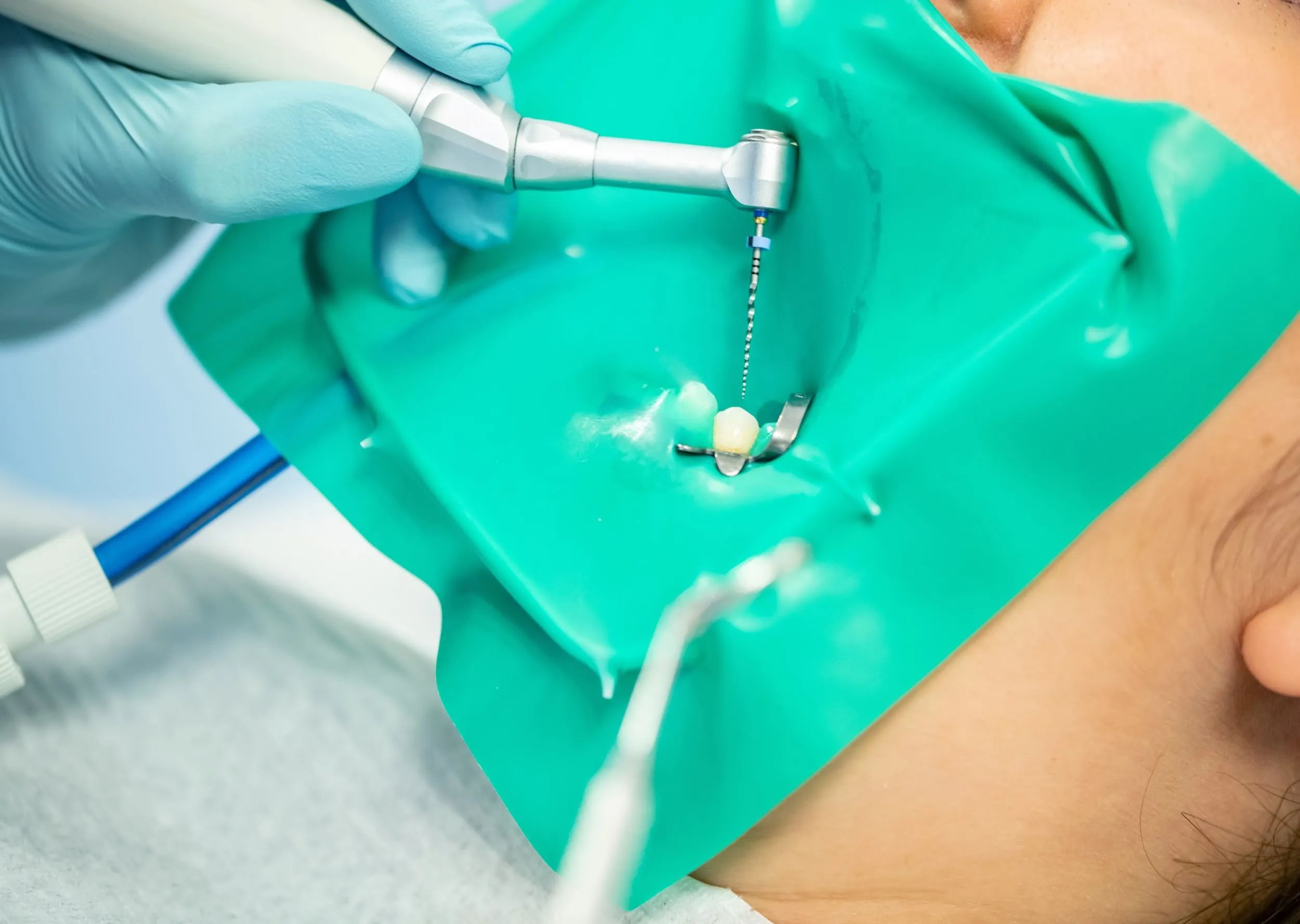
For minor surface cavities, stability can be achieved within a few days to a week, with noticeable improvement in sensitivity during chewing. However, treatments involving deeper structures, such as those near the dental nerves or root canal therapy, may require several weeks or even a month to stabilize. This is because your teeth need time to adjust to new biting forces and internal structural changes. If you experience persistent sharp pain, swelling, or prolonged sensitivity to temperature changes post-treatment, consult your dentist promptly, as these are not typical reactions.
**Factors Influencing Dental Stability**
1. **Personal Chewing Habits**: Individuals who chew forcefully or have habits like biting ice or hard candy may increase the risk of wear on dental materials, affecting the fusion rat
e.
2. **Oral Hygiene**: Poor hygiene around the treated area can lead to plaque and bacterial buildup, causing gum inflammation and delaying stability.
3. **Material Adaptation**: Different dental materials vary in hardness and texture, requiring varying adaptation times for some individuals.
4. **Pre-existing Dental Condition**: Healthier teeth and gums lead to faster recovery; severe periodontal issues naturally extend the stability period.
**Tips for Supporting Dental Stability**
- **Dietary Considerations**: In the initial days post-treatment, avoid hard or sticky foods like beef jerky or sticky rice candy to prevent disruption at the treatment site.
- **Alternate Chewing**: Use the opposite side of your mouth for chewing to allow the treated side to gradually adapt.
- **Maintain Oral Hygiene**: Brush your teeth twice daily, use dental floss or interdental brushes, especially near the treated area, to prevent food particles from getting trapped.
- **Regular Check-ups**: Even without noticeable discomfort, follow your dentists schedule for check-ups to ensure the dental materials and your teeth remain in good condition.
**Differences Between Dental Treatments in Chinese Mainland and Hong Kong**
Dental practices may vary slightly between cities, with different materials or restoration methods used in Chinese Mainland. However, the fundamental principle remains the same: post-treatment, handle your teeth with care and give them ample time to adapt. Hong Kong residents, often busy with work, might neglect regular check-ups, so it’s best to follow dental advice and avoid delays.
**Practical Advice**
After dental treatment, some people feel their teeth are "odd," but this is often psychological or a temporary sensitivity. If youve had treatment in Chinese Mainland and returned to Hong Kong, be mindful of your dietary habits and avoid immediately reverting to pre-treatment eating patterns. Gradually increasing food hardness is a safer approach. Chew patiently and avoid rushing, as this helps your teeth transition into stability more easily.
In summary, there is no absolute standard for "Achieving Dental Stability After Treatment in Chinese Mainland," as it varies from person to person. However, by maintaining oral hygiene and following dental advice, most individuals transition smoothly to stability within a reasonable timeframe. Whether treated in Hong Kong or Chinese Mainland, remember that teeth are integral to daily health; treat them gently for a natural and confident smile.
















