




**Post-Dental Filling Care for Seniors Traveling to Chinese Mainland**
In recent years, many seniors from Hong Kong have opted to travel to Chinese Mainland for dental treatments such as fillings, cleanings, and even implants. The convenience of travel and the novel experience often appeal to them. However, despite being a minor procedure, dental fillings require careful post-treatment attention to ensure optimal results and prevent further dental issues.
**1. Monitor the Condition of the Tooth and Wound**
After a dental filling, dentists usually advise against using the treated tooth for chewing immediately, especially within the first couple of days. During this period, the tooth may still be sensitive, and excessive pressure could loosen the filling material. Seniors should remember that teeth need time to heal, so patience is key. Its advisable to chew soft foods like porridge or soft noodles using the opposite side of the mouth, allowing the filled tooth to gradually adjust.
**2. Adjust Dietary Habits**
In the days following a dental filling, its best to avoid foods that are too hot or too cold, as temperature extremes can irritate the dental nerves, causing discomfort or sensitivity. Additionally, hard nuts, ice cubes, or sticky candies should be avoided until the tooth is fully stable. Treating your teeth gently can extend the life of the dental filling.
**3. Enhance Oral Hygiene Practices**
While brushing might seem straightforward, post-filling care requires extra caution. Use a soft-bristled toothbrush and brush gently, particularly around the filled area, to avoid dislodging the filling. Its also recommended to floss or use an interdental brush daily to clean between the teeth and prevent food particles from getting trapped. Avoid using toothpicks, which can damage the gums or the filled area.
**4. Pay Attention to Sensations and Reactions**
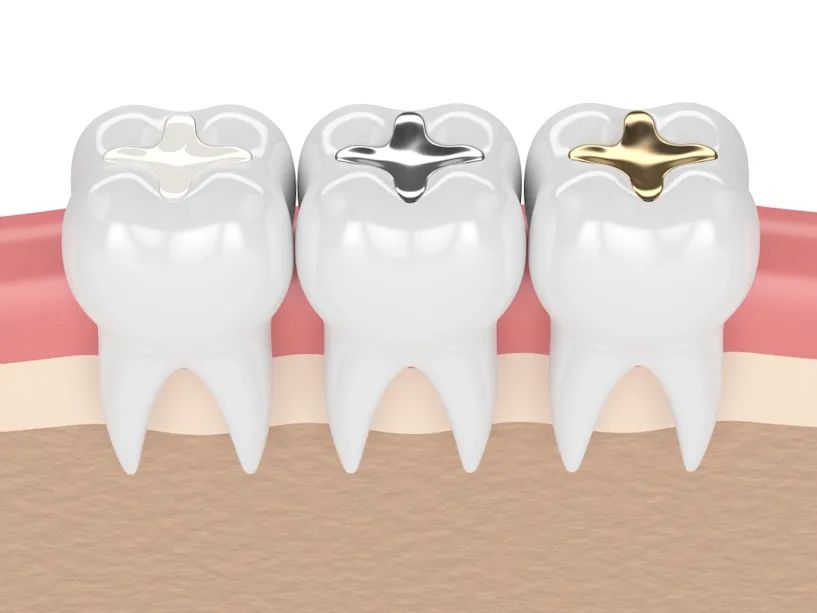
If seniors experience persistent sensitivity, swelling, uneven bite, or noticeable dislodgement of the filling, they should consult a dentist promptly. Delaying treatment can exacerbate dental issues. Regular dental check-ups can help ensure the stability of the filling.
**5. Consider Overall Health Impact on Dental Recovery**
Chronic conditions such as diabetes or heart disease, common among seniors, can affect wound healing and immune response. After returning from Chinese Mainland, its crucial to take medications as prescribed and monitor overall health. If symptoms like fever or general discomfort arise, seek medical attention promptly.
**6. Schedule Regular Follow-ups**
Dental fillings are not a permanent fix, especially for seniors whose teeth may already be fragile. If a dentist recommends regular follow-ups, its important to adhere to this schedule, even if it involves cross-border travel. Regular check-ups can help identify issues early, reducing the need for extensive treatments.
**7. Adjust Psychological and Lifestyle Habits**
Some seniors may become overly cautious about eating after a filling, leading to nutritional imbalances and weakened immunity. By following dental advice and gradually increasing chewing activity while maintaining oral hygiene, teeth can adapt over time. Its important not to let anxiety disrupt daily routines.
**Conclusion**
Traveling to Chinese Mainland for dental fillings can be a convenient and practical choice for seniors, but post-treatment care is crucial for ensuring effective results and maintaining dental health. By maintaining good oral hygiene, adjusting dietary habits, attending regular check-ups, and monitoring bodily responses, seniors can enjoy long-lasting benefits from their dental treatments. With patience and care, teeth can continue to support a fulfilling dining experience during the golden years.
















