





**Does Flying After Dental Treatment in Chinese Mainland Affect Your Teeth?**
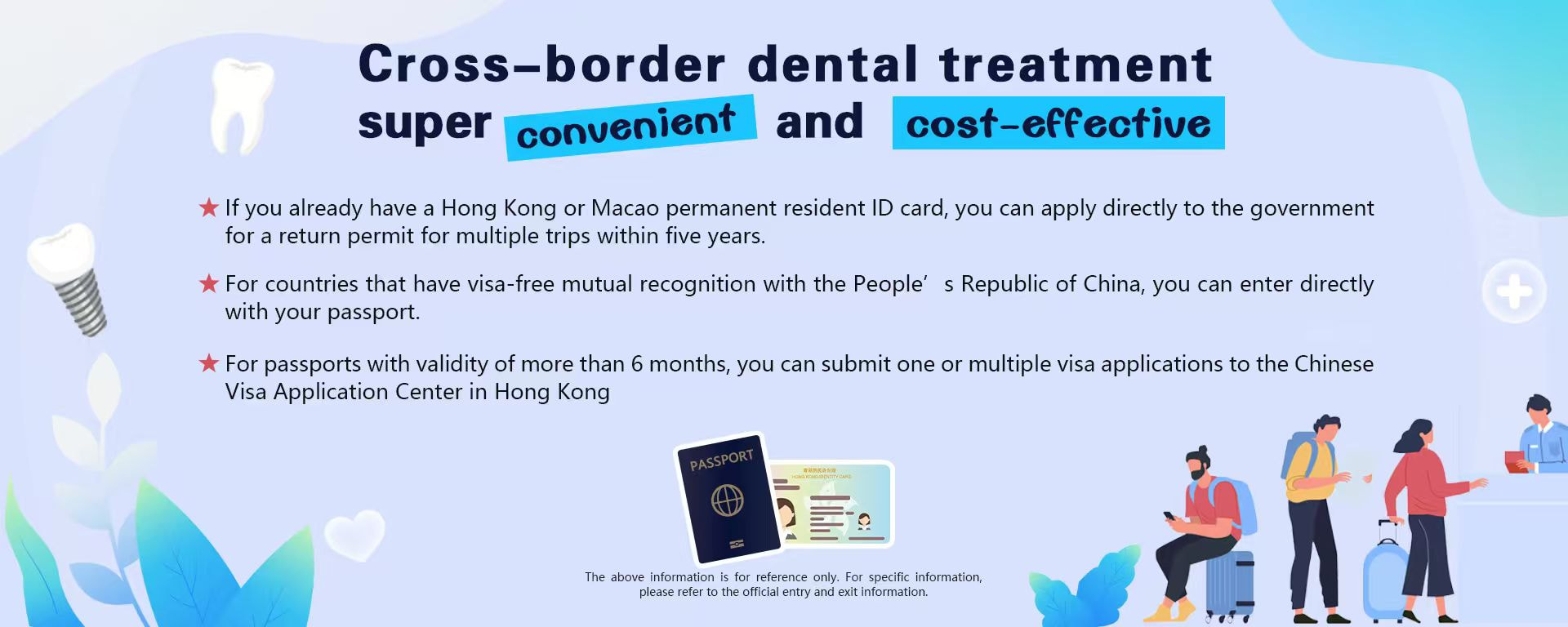
In recent years, many Hong Kong residents have opted to travel to the Chinese Mainland for dental treatments due to convenience, a wider range of options, and increasingly professional services. After completing dental procedures, some individuals plan to return to Hong Kong immediately or even embark on a flight for a vacation. However, a common concern arises: will flying affect your teeth after dental treatment? In this article, we will explore what you need to pay attention to and how to ensure a comfortable flight.
### Understanding the Impact of Air Pressure Changes on Teeth
Firstly, its crucial to understand how changes in air pressure during a flight can affect your teeth. As an aircraft ascends and descends, the cabin pressure undergoes slight changes. If youve just had dental work done—especially procedures like root canals, dental implants, or fillings in deeper cavities—the internal structure of the treated tooth may not be fully stable yet. If air is trapped within the dental materials used, changes in air pressure can cause slight alterations in air volume, potentially leading to sensations of soreness, swelling, or mild pain. While these symptoms are generally not severe, they can be more pronounced if the treated area is close to a nerve.
### Recommendations for Safe Flying After Dental Work
It is generally advised to rest for at least one to two days after dental treatment before flying. Simple, superficial fillings typically pose no major issues. However, for more complex procedures like dental implants, root canal treatments, or tooth extractions, its best to wait until the wounds and gums have fully healed and stabilized before flying. The dry environment and pressure changes during a flight could cause discomfort or even affect the healing process.
### Managing Sensitivity and Discomfort During Flights
Another aspect to consider is the potential dryness and dietary changes during a flight. After dental work, the treated area may be more sensitive to temperature changes. Therefore, its advisable to avoid consuming very cold or hot beverages while flying. Opt for room temperature water to stay hydrated and minimize discomfort. If your dentist has prescribed pain relief medication, ensure you bring it on the flight, but avoid taking it on an empty stomach.
### Addressing Bite Issues After Dental Treatment
Some
individuals may experience unnatural bite sensations shortly after dental work, especially in the initial stages. During flights, prolonged sitting and the possibility of consuming harder or dryer in-flight meals can exacerbate these issues. If your bite isnt fully stabilized, take care to chew slowly and opt for softer foods to prevent excessive pressure on the newly treated teeth.
### Precautions for Immediate Travel Post-Dental Treatment
If you must fly within a few days of dental treatment due to work commitments or urgent travel plans, communicate this with your dentist beforehand. They can inspect the dental materials for any air gaps or make necessary adjustments to minimize discomfort during the flight. If needed, your dentist might recommend using special materials or temporary sealing solutions to ensure a more comfortable experience.
### Long-term Dental Care After Returning to Hong Kong
Upon returning to Hong Kong after dental treatment in the Chinese Mainland, maintain good oral hygiene by brushing your teeth twice daily and using dental floss to clean around the treated areas. If you experience persistent pain, swelling, or unusual sensations in the treated area, consult your dentist promptly rather than waiting until just before your flight. The pressure and dry environment during a flight can exacerbate these issues.
### Final Thoughts
In most cases, flying after dental treatment in the Chinese Mainland poses no significant problems, provided the dental procedure is stable, with no inflammation or swelling. However, maintaining a cautious mindset and adhering to your dentists professional advice is the safest approach. Whether youre flying back to Hong Kong or embarking on a long-haul journey, ensuring your oral health is in top condition with no underlying issues is paramount.
In summary, flying after dental treatment doesnt necessarily pose a problem, but it depends on the complexity of the procedure and your recovery status. Simple fillings usually dont interfere with flying, while complex treatments may require a few days of rest before travel. Plan your return trip accordingly to allow for adequate recovery time, ensuring a worry-free journey without concerns of dental pain. Remember, dental health is a lifelong commitment; wherever you choose to get dental work done, always follow professional advice and maintain proper post-treatment care for a confident flight and a brighter smile.
















