








**Will Drinking Tea Stain My Teeth After Dental Fillings in Chinese Mainland?**
In recent years, many Hong Kong residents have opted to travel to Chinese Mainland, particularly Shenzhen and other cities, for dental fillings. The main attractions are convenience, speed, and a wide range of services. However, a common concern post-treatment is whether drinking tea will cause the newly filled teeth to become stained. This is especially relevant for those who regularly enjoy Hong Kong-style milk tea, Pu-erh tea, or coffee, prompting them to consider whether they should temporarily refrain from these beverages.
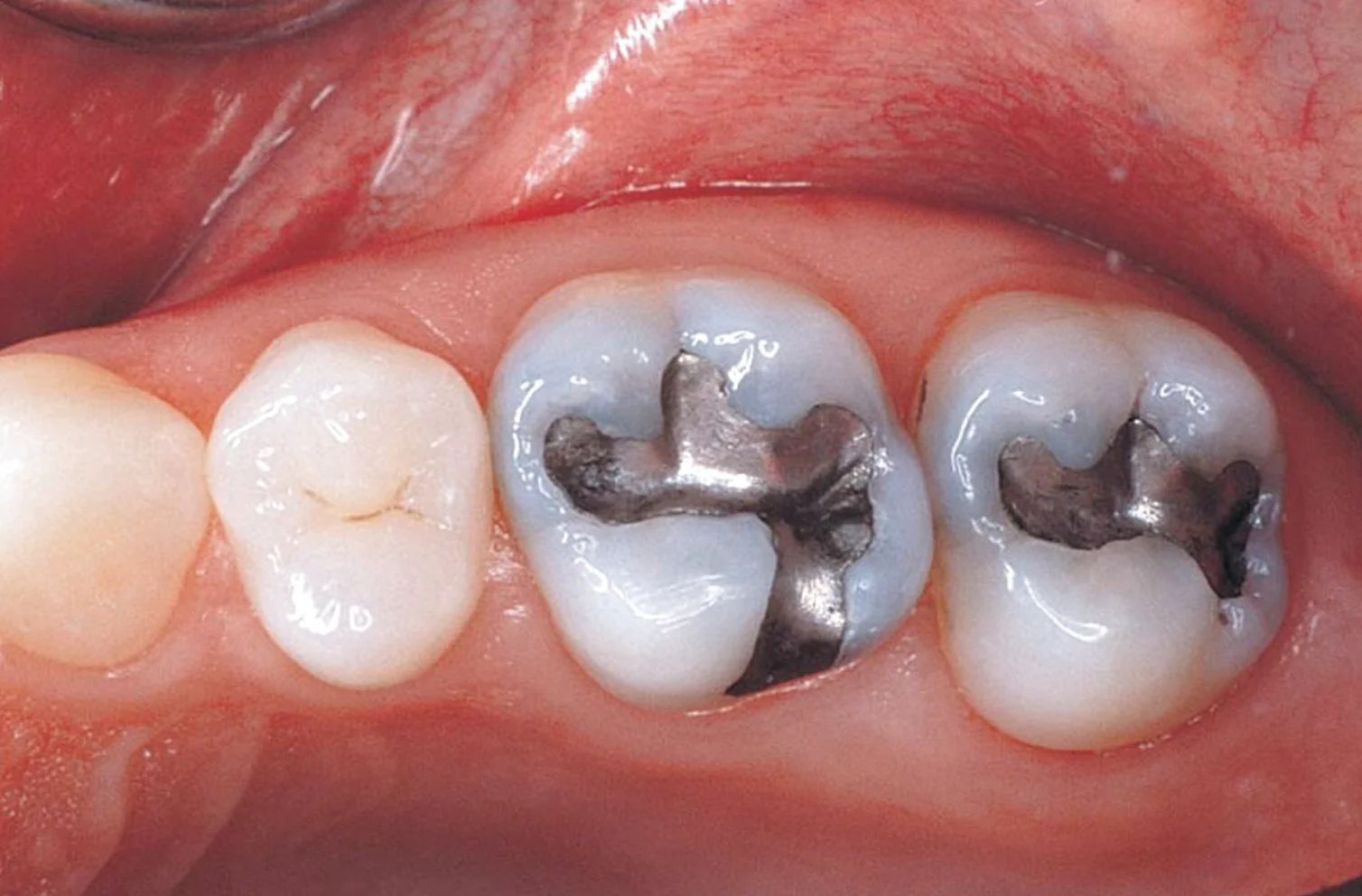
To determine if drinking tea post-filling will stain your teeth, its essential to understand the materials used in dental fillings and the characteristics of tooth surfaces. Common materials include resin (often referred to as white fillings), porcelain veneers, and all-ceramic crowns. Each material has a different capacity for absorbing pigments. Resin materials, while resembling natural teeth, have a surface structure that can more easily absorb pigments from beverages, especially those frequently exposed to dark-colored drinks, potentially leading to slight discoloration over time. In contrast, porcelain veneers and all-ceramic crowns are more resistant to staining unless their surfaces are scratched.
The pigments in tea primarily come from natural substances like tea polyphenols. Even on undamaged teeth, inadequate cleaning can lead to tea stains. For resin-based fillings, the surface is initially smooth, but over time, factors like oral pH and dietary wear can create microscopic roughness, making it easier for pigments to adhere. Many dentists recommend avoiding high-pigment beverages for a few days post-filling to allow the material to fully harden and stabilize, reducing the risk of staining.
For tea enthusiasts, theres no need to worry excessively. Wit
h the right approach, drinking tea doesnt necessarily lead to tooth discoloration. First, rinse your mouth with water immediately after drinking tea to minimize the time pigments remain on your teeth. Second, maintain a routine of brushing your teeth twice daily with fluoride toothpaste to form a protective layer on your teeth. Third, if you consume a significant amount of dark beverages, use dental floss or interdental brushes to ensure thorough cleaning between teeth and prevent the accumulation of tea stains.
A helpful tip is to use a straw when drinking colored beverages, especially iced tea or iced lemon tea, to reduce contact with the front teeth and naturally decrease the chance of staining. While using a straw isnt suitable for hot tea, you can mitigate staining by drinking quickly and rinsing your mouth afterward.
If your dental work involves all-ceramic crowns or porcelain veneers, the impact of daily tea consumption is minimal. However, its important to note that the junction between porcelain and natural tooth tissue can still stain, affecting the overall appearance. Therefore, caring for your entire set of teeth is crucial.
Regular dental check-ups and cleanings are excellent ways to maintain white, healthy teeth. Cleanings not only remove tartar but also eliminate surface tea stains and coffee residues, restoring the appearance of filled teeth. Visiting the dentist every six months to a year can effectively control tooth discoloration.
In conclusion, whether drinking tea post-filling in Chinese Mainland will stain your teeth largely depends on the materials used and your oral care habits. By promptly rinsing your mouth, brushing regularly, and scheduling routine cleanings, tea wont be the primary cause of tooth discoloration. Instead, it can be a part of a healthy lifestyle, allowing you to enjoy the aroma of tea while maintaining a bright smile.
















