








**Will Eating Curry After Dental Fillings Cause Staining?**
In recent years, many Hong Kong residents have opted to travel to Chinese Mainland cities like Shenzhen for dental fillings. The reasons are clear: convenient transportation, quick appointments, and professional service. After getting a dental filling, the primary concerns usually revolve around post-care and dietary precautions. A common question is whether consuming richly colored foods like curry can cause discoloration of the teeth or the filling itself.
**Understanding the Dental Filling Process**
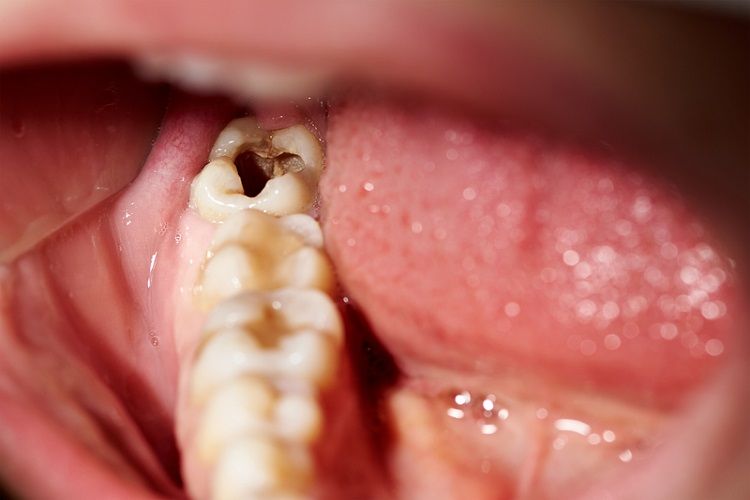
Dental fillings are typically used to treat cavities or repair cracks. The dentist first removes the decayed or damaged portions of the tooth and then fills the area with materials such as resin or ceramic. Resin fillings are usually color-matched to your natural teeth, making them less noticeable. However, different materials have varying properties; some may absorb pigments more easily, while others are more resistant to staining.
**The Impact of Curry on Dental Fillings**
Curry is a beloved dish among both Hong Kong and Chinese Mainland residents, known for its rich flavors and vibrant colors, often derived from spices like turmeric and local curry powders. These spices have strong staining potential. Prolonged exposure to these pigments, especially on newly filled teeth, can lead to a yellowish or slightly darker tint.
In the first few days following a dental filling, dentists generally advise avoiding hard or highly pigmented foods. Some may specifically recommend steering clear of dark-colored foods and beverages like coffee, red wine, and curry. This is because, during the initial hardening phase, the filling material is more susceptible to absorbing pigments from food. Resin fillings, while aesthetically pleasing, are particularly prone to staining. Ceramic or porcelain fillings are more stain-resistant, but not entirely immune.
**Preventive Measures for Curry Lovers**
Eating curry once may not immediately cause noticeable discoloration, but frequent consumption without proper oral hygiene can lead to gradual staining. If you’re a curry enthusiast and have recently had a
dental filling, it’s advisable to wait a day or two before indulging. Alternatively, rinse your mouth with water after eating to minimize pigment residue on your teeth and fillings. Using a straw for curry soups or sauces can also help reduce direct contact with your teeth.
**Maintaining Oral Hygiene**
Good oral hygiene practices are crucial. Regular brushing, flossing, and dental cleanings can significantly reduce the risk of surface stains. Whether you have your dental work done in Hong Kong or travel to Chinese Mainland for it, post-filling care is equally important. During the first week after a filling, it’s best to avoid highly pigmented and acidic foods, as acidity can increase surface roughness, making it easier for pigments to adhere.
**Distinguishing Between Tooth and Filling Discoloration**
It’s important to differentiate between natural tooth staining and discoloration of the filling material. While curry can cause minor staining on the tooth surface, changes in the color of the filling material usually accumulate over time. If you notice that the filled area is discoloring faster than the rest of your teeth, it could be due to the material’s susceptibility to staining or inadequate post-care. Regular dental check-ups can help identify and address these issues early.
**Conclusion**
Eating curry after getting a dental filling does pose a risk of staining, especially shortly after the procedure. To maintain the aesthetic appeal of your teeth and fillings, it’s best to wait until the filling material has fully stabilized before consuming dark-colored foods. Maintain good oral hygiene and don’t overlook regular dental check-ups and cleanings to keep your smile healthy and bright, whether you get your dental work done in Hong Kong or travel to Chinese Mainland.
Diversifying your diet and separating curry sauce from other foods can also help reduce direct contact with your teeth. By cultivating habits like rinsing and brushing, you can enjoy flavorful dishes like curry without compromising the color of your teeth. Remember, dental health is a long-term commitment, and while fillings are a step in the process, ongoing care is key.
















