








# What to Expect During Follow-Up Dental Visits After Treatment in Chinese Mainland
In recent years, many Hong Kong residents have opted to travel to places like Shenzhen and Dongguan for dental treatments. The reasons vary, from convenience of travel to exploring different dental services. Regardless of the motivation, dentists generally recommend regular follow-up visits after dental procedures. These follow-ups are crucial to ensure the durability of the dental work and maintain overall oral health. So, what exactly do dentists check during these follow-up visits after dental treatments in Chinese Mainland?
## 1. Examination of Dental Fillings and Bite Alignment
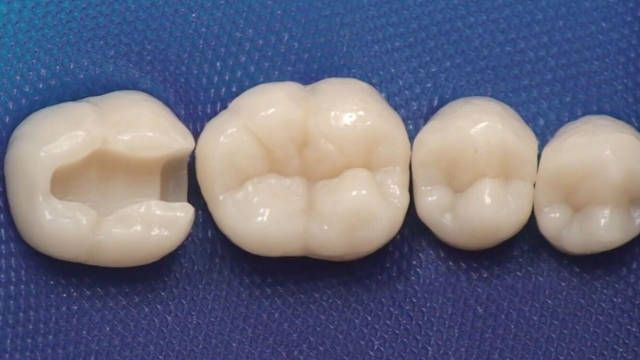
The first step in a follow-up visit is typically an examination of the treated tooth. Using mirrors and probes, the dentist checks for any loosening, chipping, or wear of the filling material. Daily chewing exerts significant pressure on teeth, and if the filling is unstable or the bite is uneven, it could affect both teeth and gum health. The dentist may also use bite paper to test the alignment, ensuring that the upper and lower teeth meet properly without causing discomfort or uneven wear.
## 2. Assessment of Teeth and Gum Health
Beyond the treated tooth, the dentist will also examine other teeth for signs of decay and check the gums for redness, bleeding, or recession. Often, cavities do not cause immediate pain, and early stages may not present noticeable symptoms. Regular check-ups can help detect these issues early. Gum health is equally important, as neglect can lead to periodontal disease, compromising the stability of the teeth.
## 3. Removal of Plaque and Tartar
During follow-up visits, dentists often recommend a professional cleaning. Despite regular brushing, tartar can build up between teeth and along the gum line, leading to inflammation and poor oral hygiene if not removed. The cleaning process eliminates plaque and tartar, keeping the tooth surfaces clean and reducing bacterial growth.
## 4. Monitoring Pulp and Nerve Response
If the cavity was deep and close to the pulp before the filling, the dentist might test the tooths response to hot and cold stimuli to assess nerve health. Some sensitivity post-treatment is normal and should subside within weeks. However, persistent pain or increased sensitivity may require further intervention.
## 5. Guidance on Ora
l Hygiene Practices
Many dentists in Chinese Mainland use follow-up visits to reinforce personal oral care habits. They emphasize brushing at least twice daily, using dental floss or interdental brushes to reduce plaque buildup. Additionally, they may advise limiting high-sugar and acidic foods to prolong the life of dental fillings and reduce the risk of future cavities.
## 6. Documentation and Treatment Plan Follow-Up
Follow-up visits are not a one-time event. Dentists usually document changes in oral health and schedule future appointments for any additional treatments needed. Maintaining a detailed record helps track the progress of dental health and facilitates communication with the dentist about future treatment plans.
## 7. Important Considerations for Follow-Up Visits in Chinese Mainland
When attending follow-up visits in Chinese Mainland, its advisable to bring previous dental records, such as X-rays, treatment notes, or dentist’s instructions. This information helps the new dentist or the same clinic understand the materials used, the depth of the filling, and the initial condition, reducing the need for repetitive examinations.
Additionally, plan your trip carefully and allow ample time for the appointment, avoiding a rushed return to Hong Kong. Dental examinations or cleanings may take longer than expected. If you experience sudden pain or swelling, contact your dentist promptly rather than waiting for the scheduled follow-up, as dental issues can escalate if left untreated.
## 8. Maintaining Long-Term Dental Health Beyond Fillings
While fillings are essential for repairing teeth, they are just one part of maintaining dental health. Good oral hygiene practices and regular check-ups are vital. Whether in Hong Kong or Chinese Mainland, aim for a comprehensive dental examination every six months and manage daily dietary habits.
In summary, follow-up visits after dental treatments in Chinese Mainland focus on ensuring the stability of fillings, proper bite alignment, gum health, and overall oral cleanliness. Regular check-ups can help detect and prevent other dental issues early, ensuring your teeth remain healthy and comfortable for longer. Remember, your teeth are lifelong companions, and taking good care of them, even when seeking cross-border dental care, requires a long-term plan to maintain a natural and confident smile.
















