




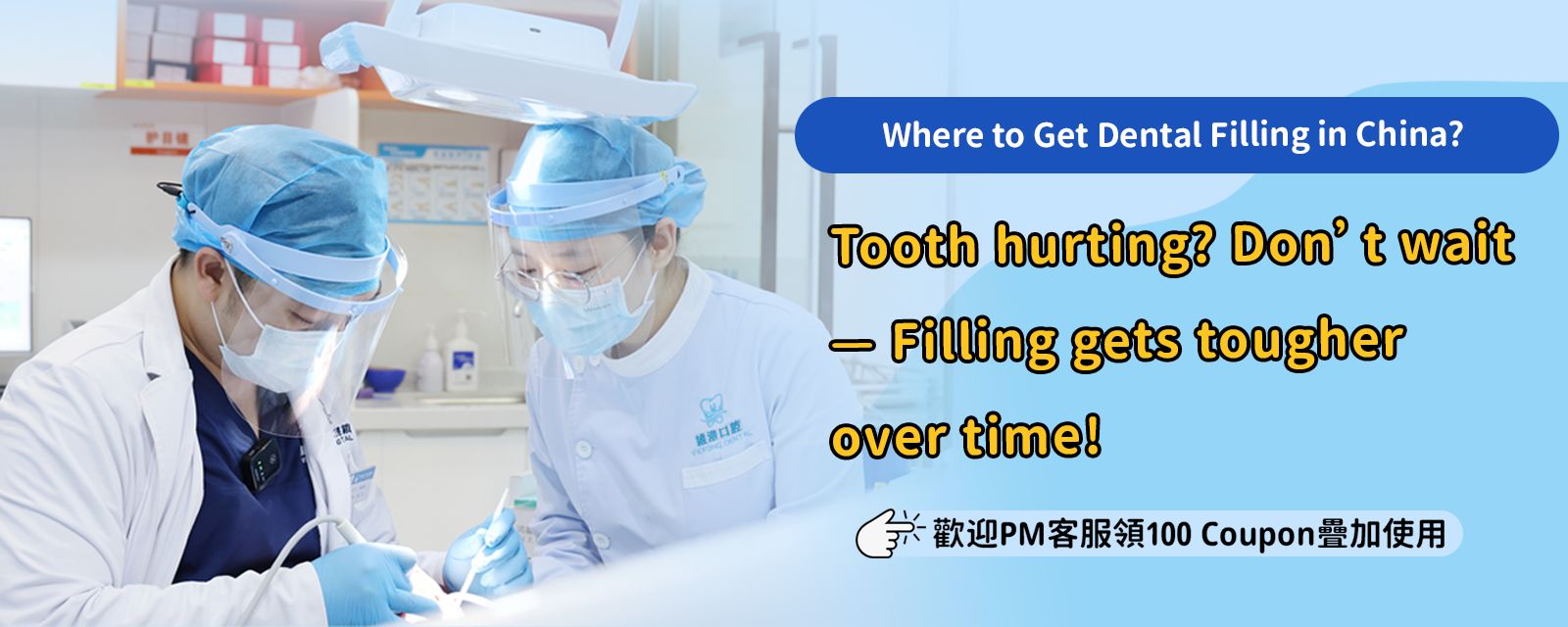
**Navigating Communication Challenges When Traveling to Chinese Mainland for Dental Treatments**
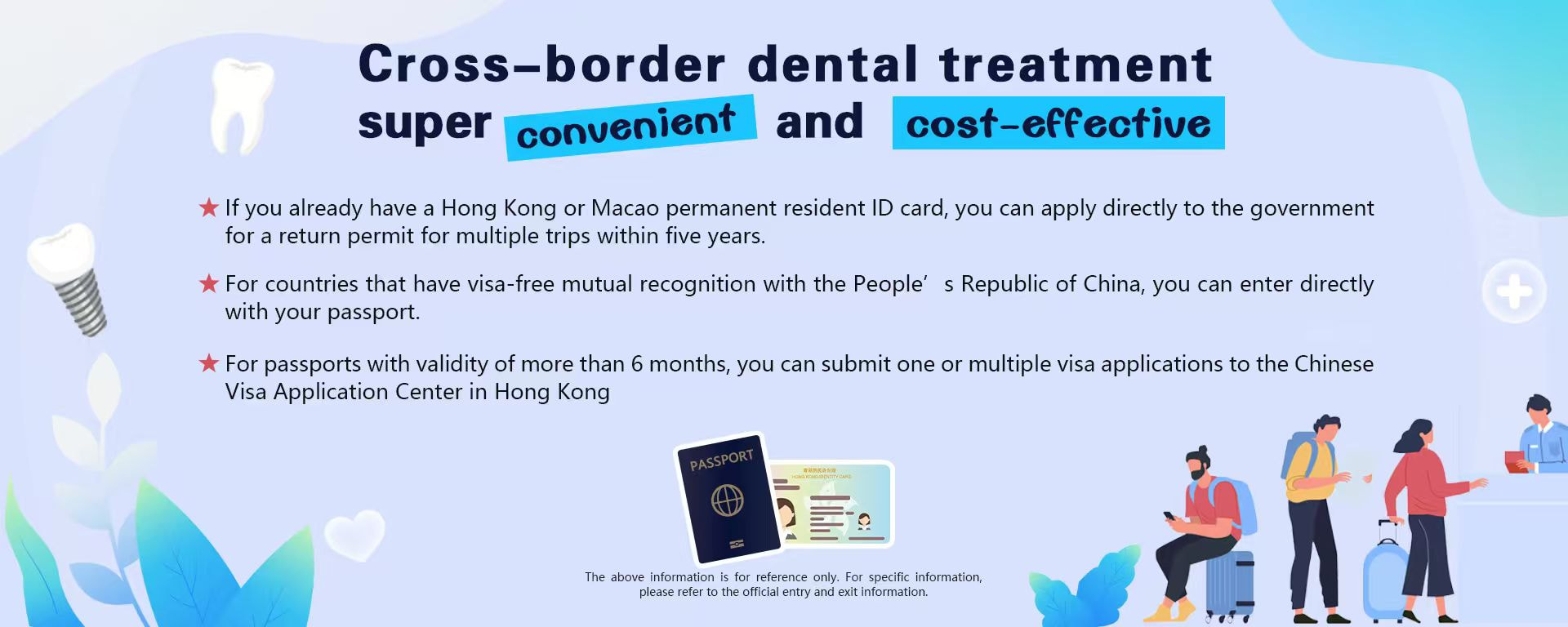
In recent years, many people have opted to travel to Chinese Mainland for dental treatments, particularly in cities like Shenzhen and Dongguan. The cost is generally lower compared to Hong Kong, the facilities are modern, and the services are considered professional. However, one of the primary concerns for patients is communication—will there be difficulties in understanding each other during the dental visit? This is a common worry, especially for those visiting a dentist in Chinese Mainland for the first time.
**Language Considerations**
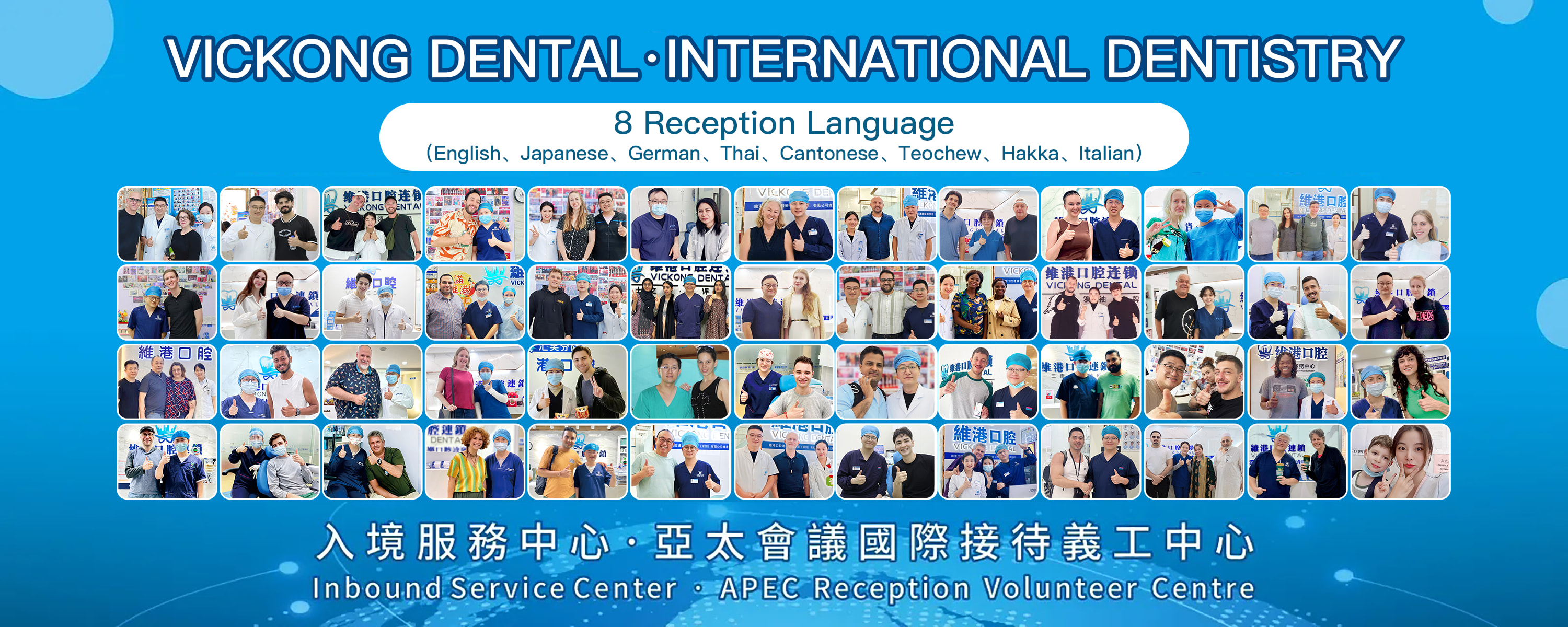
The language barrier is often the first concern. While most Hong Kong residents speak Cantonese, dental professionals in Chinese Mainland typically use Mandarin. This might seem like a hurdle, but many clinics in Shenzhen, Dongguan, and even Guangzhou are accustomed to serving Hong Kong clients. Receptionists often speak Cantonese, and dentists may know some Cantonese as well, ensuring the communication is not overly stiff. Speaking slowly or mixing Mandarin with gestures can help ease any misunderstandings. Some clinics even provide assistants fluent in Cantonese to facilitate detailed explanations, making the process smoother.
If you venture into more remote areas or clinics not specifically targeting Hong Kong patients, communication might be slightly more challenging. In such cases, using a translation app on your phone can be a valuable tool, especially for complex dental terms like "filling materials," "nerve treatment," or "pulp cleaning." Preparing a draft of your concerns beforehand—such as "Will this area hurt?" or "I prefer whiter filling materials"—can ensure your needs are clearly communicated.
**Cultural Differences in Communication**
Beyond language, there are cultural differences in communication styles. Hong Kong patients often prefer detailed explanations of each step in the treatment process, whereas some Mainland dentists may work at a quicker pace with less detailed explanations. If youre uncertain, dont hesitate to ask questions like "What step are you performing now?" or "Will this be painful?" Being polite and respectf
ul generally encourages the dentist to provide more information. Many dentists prioritize patient experience and aim to make you feel comfortable and assured.
**Pre-Visit Preparations**
Many dental clinics in Chinese Mainland now offer appointment bookings and consultations via WeChat. Before your visit, you can inquire about language preferences, whether the dentist speaks Cantonese, and details about the equipment and materials used. Preparing in advance can alleviate anxiety about language barriers. Additionally, bringing a friend or family member on your first visit can be helpful for listening and translating, providing extra reassurance.
**Overall Experience**
Overall, communication challenges when traveling to Chinese Mainland for dental treatments are not as daunting as they might seem. With frequent interactions between Shenzhen and Hong Kong, medical staff are well-versed in serving Cantonese-speaking clients. As long as you express yourself clearly and are willing to engage in conversation, most communication hurdles can be overcome. Some Hong Kong patients even find the service attitude surprisingly positive, with dentists offering thorough explanations, exceeding expectations.
**Choosing the Right Clinic**
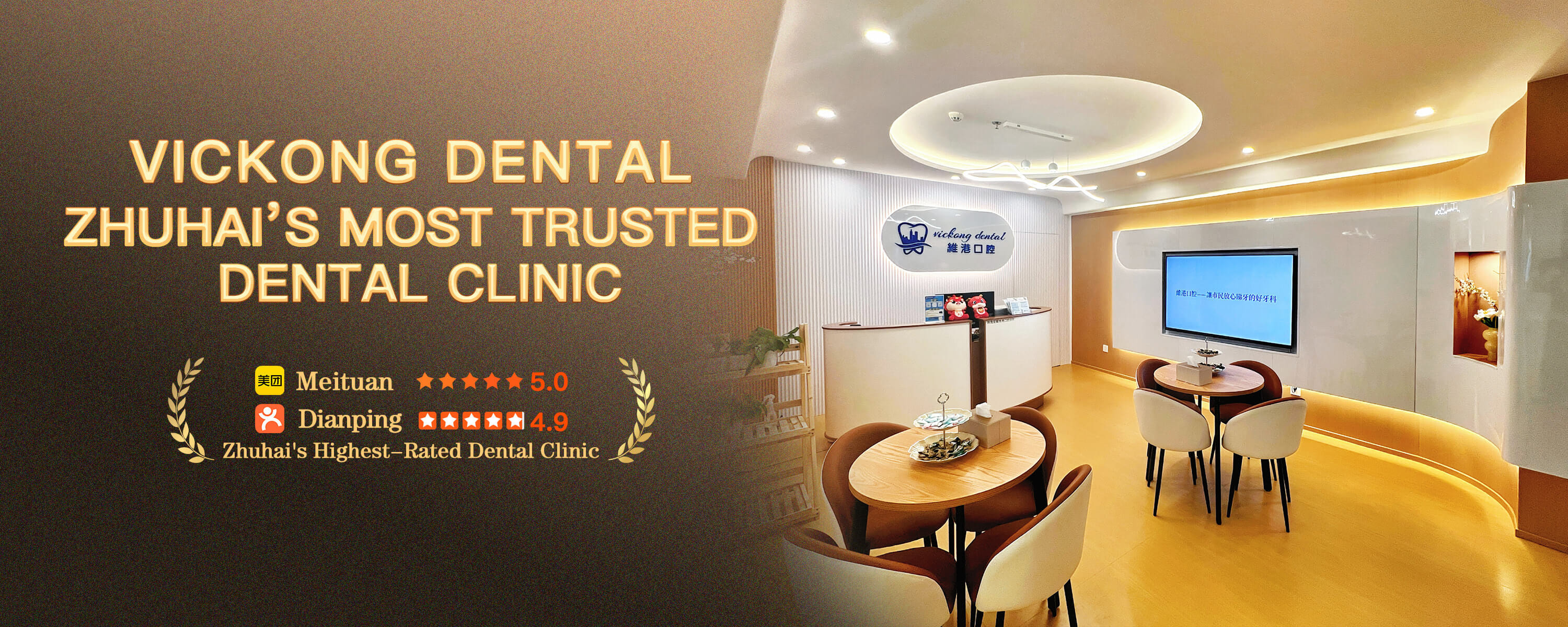
Its important to choose a clinic with a good reputation and genuine online reviews. Consider factors such as hygiene, environment, and the qualifications of the dentist, rather than relying solely on advertisements. Since dental treatment is a medical procedure, feeling secure is paramount. If needed, you can first consult with a dentist in Hong Kong to review your dental records, then bring the documents to Chinese Mainland for treatment, ensuring the dentist understands your situation clearly.
**Conclusion**
In summary, navigating communication during dental treatments in Chinese Mainland is not overly difficult. With convenient transportation and improved network connectivity, along with narrowing language and cultural gaps, a well-prepared and clear approach can lead to a successful treatment experience. The key is to maintain an open mindset, trust, and patience. After your dental treatment, you might find the process surprisingly smooth and comfortable.
















