




**When Will Dental Fillings Fully Set After Treatment in Chinese Mainland?**
In recent years, many Hong Kong residents have opted to travel to Chinese Mainland for dental treatments. The reasons vary—some find it more convenient in terms of time, while others are curious about the dental techniques available there. However, a common question arises once they return to Hong Kong: When can they confidently resume normal activities, such as chewing, after getting a dental filling?
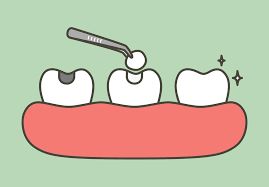
The time it takes for a dental filling to fully set can vary depending on several factors, including the location of the filling, the condition of the tooth, and the materials used. Generally speaking, for standard fillings, such as those used to treat cavities, dentists often use composite resin or other materials to repair the damaged area. These materials are hardened immediately using a curing light, theoretically providing immediate strength. However, immediate hardness does not equate to complete adaptation, as your mouth and chewing habits need time to adjust to the new filling.
A common experience after receiving a filling is a slight discomfort during chewing, or even mild sensitivity to hot and cold temperatures. This is typically a temporary issue that resolves within a few days to a couple of weeks, as the tooth and gums gradually adapt to the new shape and material. If youve had an inlay/onlay or a full crown placed, the adaptation period may be longer, taking approximately two weeks to a month for full adjustment.
Moreover, oral hygiene and dietary habits can significantly impact the setting process of a dental filling. Immediately after getting a filling, its advisable to avoid using the newly treated tooth to bite into hard foods, such as nuts, ice cubes, or hard candies. Although the material is hardened, the surrounding tissue is still adjusting, and excessive pressure can lead to stress at the edges of the filling or even micro-cracks. Additionally, avoid extremely hot or cold foods, as large temperature variations can prolong the sensitivity period.
Many individuals who travel to Chinese Mainland for dental fillings often do so
over a weekend or during a day off, meaning they might not have the chance for follow-up checks with the same dentist once they return to Hong Kong. If you experience discomfort with your bite or persistent sensitivity after the filling, its best to consult a dentist promptly. Even if its not the same dentist who performed the filling, Hong Kong dentists can assist with minor adjustments or bite assessments. Sometimes, a simple height discrepancy can be resolved quickly.
To determine if your dental filling has "fully set," consider the following indicators:
1. There is no discomfort when chewing with the treated tooth.
2. Consumption of hot or cold foods no longer triggers noticeable sensitivity.
3. The tongue feels no significant difference when touching the filled tooth compared to other teeth.
4. There are no signs of cracks, chipped material, or uneven edges at the filling site.
Typically, most people adapt to a standard filling within one to two weeks, although some may require more time, especially if the tooth was severely decayed or the gum health was compromised. Furthermore, the new filling remains in an "adjustment period" for the first few months, making good oral hygiene crucial. Daily flossing and avoiding overly sticky or hard foods can enhance the durability of the filling material.
Traveling to Chinese Mainland for dental treatment is generally safe, but its essential to choose a qualified and experienced dentist and adhere to their care instructions. If its your first time getting a filling there, pay attention to any changes in your teeth afterward. Remember, the process doesnt end with the filling—adaptation and care are key to ensuring long-term dental health.
Therefore, if you experience slight discomfort upon returning to Hong Kong after a dental filling in Chinese Mainland, theres no need for excessive worry. Follow your dentists instructions, be mindful of your diet, and schedule regular bite assessments to ensure your new filling remains durable and reliable. Keep in mind, getting a filling is just the first step; adaptation and proper care are crucial for maintaining long-term oral health.
















