





**Will an Electric Toothbrush Enhance Stability After Dental Fillings in the Chinese Mainland?**
In recent years, many Hong Kong residents have opted to travel to the Chinese Mainland for dental treatments, such as cleanings, fillings, and even more complex dental procedures. The reasons are clear: not only is the transportation convenient, but the dental equipment and techniques often match those found in Hong Kong, and in some cases, even utilize the latest technology. After returning from such dental treatments, a common question arises: will using an electric toothbrush improve the stability and health of your teeth? This question is not only a part of dental care but also crucial for your long-term oral health.
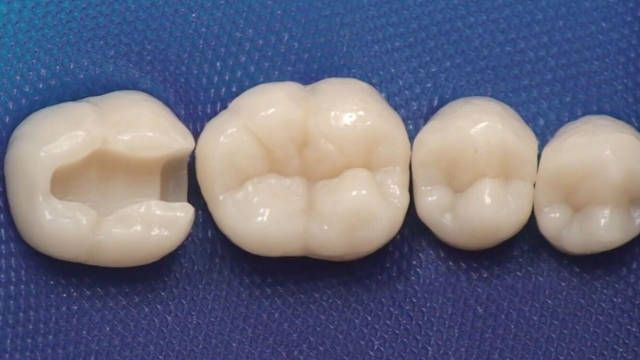
First, its important to understand that dental fillings involve cleaning out decayed or damaged parts of a tooth and restoring its shape and function with filling materials. After a filling, the new material integrates with the natural tooth, requiring an adaptation period. Some people worry that the vibrations from an electric toothbrush might affect the filled area. However, if your dentist has confirmed the stability of the filling, the vibrations from an electric toothbrush should not damage the filling material. It is essential to use the toothbrush with the right pressure and technique to avoid pressing too hard on the gums, which can reduce the risk of sensitivity or gum recession.
The primary difference between electric and manual toothbrushes lies in their efficiency and consistency in cleaning. The high-speed vibrations or rotations of an electric toothbrush head help the toothpaste foam and water flow more effectively remove plaque and stains from the tooth surface. After a filling, some areas, like between teeth or around the edges of the filling, might be challenging to clean thoroughly with a manual toothbrush. If these areas are not cleaned well over time, plaque and even tartar can accumulate. An electric toothbrush can provide more uniform cleaning, reducing plaque buildup and supporting the health of the filled area.
However, adjusting to an electric toothbrush can take time. If youve never used one before, the vibrations might feel unusual, especially in the first week or two after a filling when your teeth may be slightly sensitive. During this period, it is advisable to use a low-speed setting or choose a model with soft bristles to allow your teeth to
gradually adjust. If your dentist has specific care instructions, such as avoiding contact with a particular tooth area, be sure to follow them closely.
Moreover, the timer function and consistent brushing action of an electric toothbrush can help prevent "biased cleaning." Many people tend to brush certain areas more thoroughly than others when using a manual toothbrush, leading to uneven cleaning. The design of an electric toothbrush encourages a steady rhythm and sectional cleaning, which helps protect overall oral health and positively affects newly filled teeth.
In addition to the tooth surface, the gums and spaces between teeth are also crucial. If food debris remains in the spaces adjacent to a filling for a long time, bacteria can thrive, affecting the bond between the filling material and the natural tooth. While electric toothbrushes have strong cleaning capabilities, using dental floss or an oral irrigator alongside them is essential for comprehensive care, ensuring long-term stability of the filled area.
Some may wonder if using an electric toothbrush will cause the filling material to wear out faster. Modern filling materials are highly durable, and the vibrational force of an electric toothbrush is far less than the force of biting hard objects, so it wont cause damage. However, incorrect brushing techniques, such as applying excessive lateral force, can harm the gums or cause wear at the neck of the tooth. These issues are not unique to electric toothbrushes but can occur with any toothbrush, emphasizing the importance of learning proper brushing techniques.
In summary, if your dental filling is stable and you experience no pain or sensitivity, using an electric toothbrush can provide comprehensive cleaning, enhancing the durability of the filling. Remember to choose the appropriate brush head hardness, suitable mode, and maintain good brushing habits, along with using auxiliary tools like dental floss, to ensure your teeth and filled areas remain healthy and secure. This way, your next dental check-up will likely yield positive feedback.
Therefore, ensuring the long-term success of dental fillings obtained in the Chinese Mainland requires more than just a one-time treatment; it demands consistent daily care. Whether using a manual or electric toothbrush, as long as the method is correct and aligned with your dentists advice, your smile can continue to shine brightly.
















