









What Percent of Root Canals Fail? What to Do First
If you’ve had a root canal or your dentist just recommended one, you might be wondering: how often do root canals fail, and what should you do if something feels off? The good news is that root canal therapy has a high success rate. Still, like any medical procedure, it isn’t perfect. Understanding the numbers, the warning signs, and your next steps can help you protect your tooth and your peace of mind.
How Often Do Root Canals Fail?
Most research shows that primary root canal treatment succeeds in about 85–97% of cases, depending on follow-up time, tooth type, technique, and the quality of the final restoration. Flip that around, and the failure rate is roughly 3–15%. Long-term outcomes are strongest when the tooth is properly sealed and crowned and when follow-up care is consistent. Molars, which have more complex anatomy, tend to carry slightly higher risks than front teeth.
What Does “Failure” Actually Mean?
A “failed” root canal doesn’t just mean the tooth still feels tender the day after treatment. Failure usually refers to persistent or recurring infection inside or around the root, often visible on an x-ray as a dark area at the root tip, or symptoms that don’t resolve over time. In other words, bacteria have either remained in the tooth or found a way back in.
Common Causes and Risk Factors
Root canals can fail for several reasons:
- Missed canals or complex root anatomy that’s hard to fully clean
- Cracks or fractures in the tooth or root
- A leaking filling or crown that lets bacteria re-enter
- Delays in placing the final crown after root canal treatment
- New decay under a restoration
- Gum disease affecting the same tooth
- Heavy clenching or grinding (bruxism)
- Systemic conditions (for example, poorly controlled diabetes)
- Smoking and inadequate oral hygiene
Signs Your Root Canal May Be Failing
Call your dentist or an endodontist (a root canal specialist) if you notice:
- Pain that lingers or worsens weeks after treatment
- Swelling in the gums or face
- A pimple-like bump on the gum (sinus tract) that may drain
- A bad taste or odor that keeps returning
- Pain when biting or chewing
- Sensitivity that lasts long after hot or cold stimuli
- A loose, cracked, or missing crown or filling
- Tooth discoloration or darkening
- X-ray findings showing a lesion at the root tip
What to Do First
- Don’t panic, but don’t wait. Many failing root canals can be saved when treated promptly.
- Contact your dentist or an endodontist for an exam and x-ray. In some cases, a 3D scan (CBCT) helps reveal hidden canals, cracks, or lesions.
- Avoid chewing on that side to prevent further damage.
- Use over-the-counter pain relievers as directed on the label, and apply a cold compress for swelling if recommended by your provider.
- Seek urgent care if you have fever, spreading facial swelling, difficulty swallowing, or severe pain.
How Dentists Fix a Failing Root Canal
Treatment depends on the cause:
- Nonsurgical retreatment: The dentist or endodontist reopens the tooth, removes old filling materia
l, cleans and disinfects the canals more thoroughly (including any previously missed canals), and seals them again. This is often the first choice and can be very successful.
- Apicoectomy (root-end surgery): If retreatment isn’t feasible or fails, a small surgical procedure removes the infected tip of the root and seals the end to prevent further leakage.
- Restoration repair or replacement: If the crown or filling leaks or is damaged, replacing it can stop bacteria from re-entering.
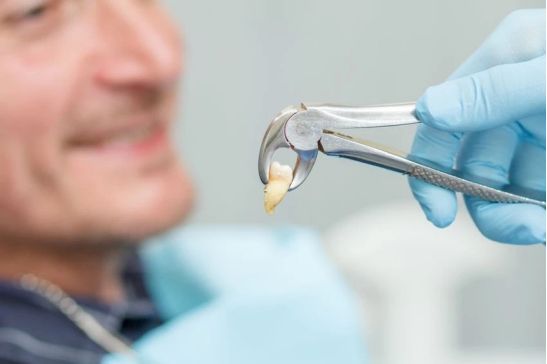
- Extraction and replacement: If the tooth is cracked vertically or too compromised to save, removal may be recommended. Replacement options include a dental implant, bridge, or partial denture. A frank discussion with your dentist can help you weigh long-term function, maintenance, and oral health goals.
Important note about antibiotics: While antibiotics can help control spreading infection, they do not cure a failed root canal on their own. The source of infection must be cleaned and sealed within the tooth or surgically addressed for lasting relief.
How to Lower the Risk of Failure
- Get the final crown promptly. After a root canal, the tooth is vulnerable. Delaying the crown can allow reinfection or fractures.
- Choose experienced care. Endodontists use specialized tools and magnification that improve chances of finding and cleaning all canals.
- Ask about a rubber dam. Isolating the tooth during treatment helps keep bacteria out.
- Keep up with daily oral hygiene. Brush twice a day with fluoride toothpaste and clean between teeth daily.
- Manage clenching/grinding. A custom night guard can protect both the restored tooth and surrounding structures.
- Address gum health. Periodontal disease can affect the same area and complicate healing.
- Control systemic risk factors. Work with your healthcare providers to manage conditions like diabetes, and consider lifestyle changes such as quitting smoking.
- Don’t skip checkups. Periodic x-rays can catch silent issues early, often before you feel pain.
How Long Should a Root Canal Last?
With proper treatment and a well-fitting crown, a root canal-treated tooth can last many years—often decades. Lifespan depends on the tooth’s structural integrity, the bite forces it endures, oral hygiene, and whether the restoration remains sealed.
Is Pain Normal After a Root Canal?
Some soreness is common for a few days, especially when chewing, and usually improves steadily. If pain persists beyond a week, worsens, or is accompanied by swelling or a gum pimple, schedule a recheck. Trust your instincts—persistent symptoms deserve attention.
The Bottom Line
Root canals fail far less often than they succeed, with an estimated failure rate in the single digits to low teens across studies. If you suspect trouble, the best first step is a timely evaluation with your dentist or an endodontist. In many cases, retreatment or minor surgical care can save the tooth. Protect your investment by getting the final crown promptly, maintaining excellent oral hygiene, and checking in regularly—small steps that make a big difference in long-term success.
















