









Black Cavity: Is It Dangerous? What to Check – Full Details
Noticing a black spot or hole on a tooth can be alarming. Is it just a stain, or a true cavity that needs urgent care? This guide explains what a “black cavity” usually means, when it’s dangerous, what you can check at home, and how dentists diagnose and treat it—so you can make confident, timely decisions.
What is a black cavity?
A black cavity typically refers to tooth decay that has advanced enough to darken the enamel or dentin. While early cavities often look like chalky white spots (demineralization), deeper decay can turn brown or black as the tooth structure breaks down and pigments from food, beverages, or bacterial byproducts sink in. Black areas can also be stains, tartar (calculus), or the margin of an older metal filling—so color alone doesn’t confirm a cavity. Location, texture, and symptoms matter.
Is it dangerous?
A black cavity can be serious if left untreated. Here’s why:
- Progression into dentin and pulp: Once decay breaches enamel, it spreads faster through the softer dentin. If it reaches the pulp (nerve), it can cause severe pain, infection, and abscess.
- Tooth fracture and tooth loss: Decayed areas weaken the tooth, raising the risk of pieces breaking off or the tooth becoming non-restorable.
- Infection risks: An untreated abscess can spread to surrounding tissues and, in rare cases, lead to systemic complications, especially in people with diabetes, heart conditions, or weakened immunity.
- Impact on neighboring teeth and gums: Hidden cavities between teeth can spread decay and contribute to gum inflammation.
Bottom line: A black cavity is not a cosmetic issue alone. Prompt evaluation is important, even if it doesn’t hurt yet.
What to check at home
A quick self-check can help you gauge urgency:
- Color and location: Is the dark spot in a pit or groove on a molar, along the gumline, or between teeth where floss catches?
- Texture: A sticky, soft, or rough area that snags a toothpick or floss is more suspicious than a smooth stain.
- Pain and sensitivity: Does it hurt with sweets, cold, heat, or biting pressure? Lingering sensitivity after cold often signals deeper involvement.
- Visible hole or chip: A punched-out area or crumbling edge points to structural loss.
- Gum signs: Bleeding, swelling, or a pimple-like bump on the gum near the tooth can indicate infection.
- Breath or taste: Persistent bad breath or a bad taste could reflect decay or trapped food.
If you notice swelling, fever, spreading pain, or difficulty swallowing, seek urgent dental care.
Common causes of black cavities
- Plaque acids: Bacteria like Streptococcus mutans feed on sugars and produce acids that dissolve enamel.
- Deep grooves and tight contacts: Molars with deep pits and crowded teeth trap food and plaque.
- Dry mouth: Low saliva from medications, mouth breathing, or certain conditions reduces natural remineralization.
- Frequent snacking or sipping: Constant acid attacks from sugary or acidic drinks and snacks hinder repair.
- Inadequate oral hygiene: Skipping flossing or using non-fluoride toothpaste raises risk.
- Smoking and staining beverages: Coffee, tea, and tobacco can darken early lesions and make decay harder to spot.
How dentists diagnose a black cavity
- Visual and tactile exam: Dentists check color, texture, and softness with an explorer and air-drying (decay often looks matte and chalky when dry).
- Bitewing X-rays: Radiographs reveal hidden decay between teeth and under old fillings.
- Transillumination or laser fluorescence: Some clinics use light
or handheld devices to detect early lesions.
- Vitality and percussion tests: If the cavity is deep, your dentist may assess nerve response and tenderness.
Treatment options
Treatment depends on depth, spread, and structural support:
- Remineralization for very early lesions: Fluoride varnish, prescription fluoride toothpaste, and improved hygiene can halt and reverse non-cavitated white-spot lesions. True black, cavitated areas typically need restoration.
- Fillings: For small to moderate cavities, the decayed tooth structure is removed and restored with a tooth-colored filling.
- Inlays/onlays or crowns: Larger cavities that weaken cusps may need lab-made restorations or a crown for strength and longevity.
- Root canal treatment: If decay reaches the pulp, cleaning and sealing the canals can save the tooth, often followed by a crown.
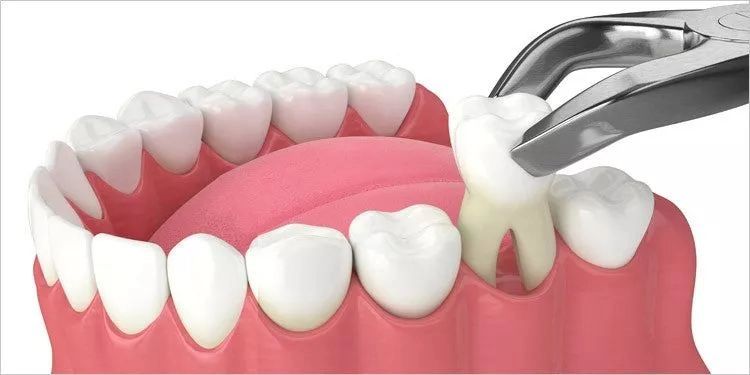
- Extraction: Severely broken or infected teeth that cannot be restored may need removal. Replacement options include bridges or implants, which your dentist can discuss.
Note: Antibiotics don’t cure cavities; they are used only for spreading infection. Whitening products or activated charcoal will not fix decay and may mask symptoms.
What you can do right now
- Keep the area clean: Brush gently with a fluoride toothpaste twice daily and floss to remove trapped food.
- Manage discomfort: Over-the-counter pain relievers, used as directed, can help. Avoid very sweet, hot, or cold triggers.
- Rinse wisely: A warm saltwater rinse can soothe irritated gums. Avoid acidic mouthwashes if they sting.
- Don’t delay: Even if the pain subsides, decay can still progress. Schedule an exam to prevent bigger problems.
Prevention tips that actually work
- Fluoride focus: Use a fluoride toothpaste and don’t rinse with water immediately after brushing. Ask your dentist about professional fluoride or sealants for deep grooves.
- Daily interdental cleaning: Floss or use interdental brushes once a day. Water flossers help as an adjunct, especially around bridges and braces.
- Smart snacking: Limit frequent sips of sugary or acidic drinks. If you indulge, pair with meals and rinse with water afterward.
- Saliva support: Stay hydrated and consider sugar-free gum with xylitol to boost saliva flow.
- Routine checkups: Regular exams and bitewing X-rays catch hidden cavities early, before they turn black or painful.
- Address dry mouth: Talk to your healthcare provider about medication side effects and saliva substitutes if needed.
Black cavity vs. stain: quick FAQs
- Can a black spot be just a stain? Yes. Smooth, flat, stain-like discoloration on the surface, especially near the gumline or from coffee/tea/tobacco, may be extrinsic stain or calculus. A dentist can polish or remove tartar and reassess.
- Can a cavity heal by itself? Once a cavity has formed a hole, it won’t regrow enamel on its own. Early, non-cavitated lesions can remineralize with fluoride and habit changes.
- Do children’s black cavities matter if baby teeth fall out? Yes. Decay can spread, cause pain, affect nutrition and sleep, and impact developing adult teeth. Early pediatric care is important.
- Will whitening fix a black cavity? No. Whitening changes tooth color but doesn’t repair decay. Treat cavities first; consider whitening later if desired.
The takeaway
A black cavity is a warning sign that decay may be advanced, but timely care can save your tooth and prevent complications. Check for texture, sensitivity, and location, keep the area clean, and book a dental exam. Early diagnosis means simpler treatment, less discomfort, and a healthier smile.
















