









Gum Darkening: Hype vs. What Dentists Actually Do in 2026
Scroll through social feeds in 2026 and you’ll see plenty of “gum bleaching” hacks that promise bubble-gum pink gums overnight. Some rely on charcoal pastes, others on lemon or peroxide rinses, and a few tout mystery lasers. The reality is simpler, safer, and more human: gum color is naturally diverse, and when people want it lighter, dentists focus on health first, then carefully chosen treatments backed by evidence.
What counts as normal gum color
Not all healthy gums are pink. Many people—especially those with darker skin tones—have naturally brown or dark patches caused by melanin, the same pigment that colors skin and hair. This is called physiologic pigmentation. It’s not a disease, it doesn’t mean your gums are dirty, and it doesn’t need treatment unless you choose it for cosmetic reasons.
Common reasons gums look darker
- Natural melanin pigmentation (completely benign)
- Smoking or vaping, which can stimulate pigment cells
- Old metal dental work, leaving a gray “amalgam tattoo” near a filling or crown
- Medications that increase pigmentation
- Inflammation from plaque and tartar, which can make gums look red-brown or dusky
- Hormonal shifts (pregnancy, birth control) that can deepen color
- Less common medical conditions or oral lesions that your dentist will screen for
Hype to skip
- Charcoal powders and abrasive pastes: they don’t lighten pigment, and the grit can roughen enamel and irritate gums.
- Lemon juice, baking soda, or “natural bleaching” rinses: acids and alkalis can burn tissue and worsen discoloration by triggering inflammation.
- Undiluted hydrogen peroxide rinses: not designed for gum pigmentation; can damage soft tissue.
- “One-size-fits-all” lasers from med spas: oral tissues require dental-specific settings, diagnosis, and sterile technique.
What dentists actually do in 2026
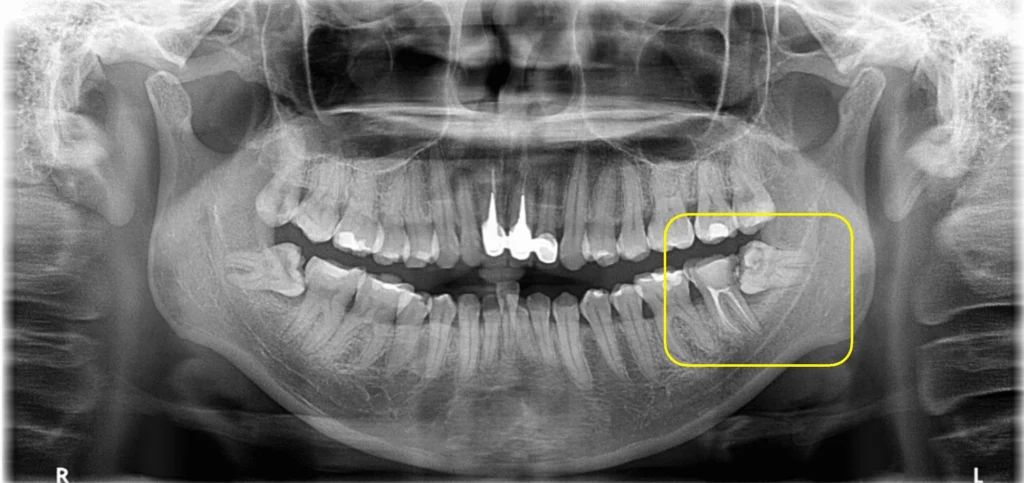
Step 1: A careful diagnosis. Your dentist asks about smoking, medications, and health history; examines the mouth; and may take photos or a radiograph if a dark spot sits near a metal restoration. In 2026, many clinics use high-resolution intraoral cameras and polarized photography to differentiate superficial melanin from blood-related color changes. The goal is to confirm whether the color is normal pigment, inflammation, a tattoo, or something else.
Step 2: Get the gums healthy. If plaque or tartar is making tissues puffy and dusky, a thorough cleaning and home care refresh often shifts the color back toward your natural baseline. You’ll get guidance on brushing pressure, flossing or interdental brushes, and a non-abrasive toothpaste. If you smoke, support for quitting is part of the plan; pigment and overall gum health improve when nicotine exposure stops.
Step 3: Address the cause.
- Physiologic melanin pigmentation: If you want a lighter look, dentists offer gum depigmentation. In 2026, the most common methods are:
- Laser depigmentation using diode, Er:YAG, or CO2 lasers at controlled settings to remove the outer pigmented layer with minimal bleeding.
- Surgical micro-dermabrasion or scalpel scraping of the epithelium, sometimes followed by a dressing to aid healing.
- Electrosurgery or cryosurgery in select cases, though these are less common than
laser in many practices today.
The treatment is done with local anesthesia, typically in one visit per area. Most people return to normal routines the same day.
- Amalgam tattoo: If it’s purely cosmetic and you want it removed, your dentist may excise the spot or, when feasible, replace the offending restoration and remove pigment particles. Imaging helps map the depth so surgery is precise.
- Drug-related pigmentation: Dentists collaborate with your physician to see whether an alternative is appropriate. If not, cosmetic options may still help.
- Inflammatory or disease-related darkening: The focus is on controlling gum disease first through professional therapy and home care. Cosmetic procedures come later, if needed.
What’s new in 2026
- Smarter imaging: Clinics increasingly use shade-calibrated photography to track color changes objectively and set realistic expectations.
- Safer energy delivery: New-generation dental lasers modulate pulse width and temperature to protect underlying tissues while evenly removing pigment.
- Better planning: Digital mock-ups can show likely post-treatment gum tone based on your baseline, so you can decide if the change is worth it.
Safety, downtime, and results
- Comfort: Local anesthesia keeps you comfortable. After laser depigmentation or scraping, you may feel mild soreness for a few days.
- Healing: A thin whitish film (a normal healing layer) often forms and peels away within a week. Soft foods, lukewarm water rinses, and gentle brushing help.
- Color outcome: Gums usually look lighter as they heal, with final tone visible in 2–4 weeks. Results vary by genetics and technique.
- Longevity: Repigmentation can occur—often gradually over 1–3 years—because melanocytes can repopulate the surface. Touch-ups are possible if desired.
Who is a good candidate
- You have healthy gums or are willing to treat inflammation first.
- Your darker color is from melanin, not an active disease.
- Your expectations are realistic: “lighter” rather than “perfectly pink,” and you understand maintenance.
Who should wait or avoid
- Anyone with active gum disease, uncontrolled diabetes, or conditions that slow healing.
- Heavy smokers who aren’t ready to cut back, as results are less predictable.
- People with very thin gum tissue, where removing surface layers could risk recession.
Maintenance that actually matters
- Keep plaque low with gentle technique and a soft brush; avoid harsh scrubbing.
- Choose non-abrasive toothpaste; skip charcoal and DIY acids.
- See your dentist regularly for cleanings and checkups.
- If you had an amalgam tattoo removed, follow guidance on restorations that minimize future metal show-through.
- If you’re reducing nicotine use, lean on support resources—your gums will thank you.
The bottom line
Gum darkening is often normal and harmless. When it’s not, the color change is a signal to check in with your dentist, not a cue for kitchen chemistry. In 2026, dental teams rely on diagnosis, gentler lasers, and careful technique to lighten gums safely when patients want it—and they prioritize health over hype every time. If the shade of your gums bothers you, start with a professional evaluation. The right plan is personal, evidence-based, and designed for your unique smile.
















