









Tooth Broke and Is Black Inside: Harmless or a Warning Sign?
If a tooth chips or breaks and you notice a dark or black interior, it can be alarming. The short answer: it’s usually a warning sign, not something to ignore. While not every black spot means an emergency, discoloration inside a broken tooth often points to decay, dead tissue, or trapped staining—and all of these deserve prompt attention to prevent pain and infection.
Why a broken tooth might look black inside
Several issues can darken the inside of a damaged tooth:
- Deep cavity: Long-standing decay can turn dentin and enamel brown to black. When the outer enamel breaks, the decayed interior becomes visible.
- Pulp necrosis (a “dead tooth”): Trauma or untreated decay can cut off the pulp’s blood supply. As the tissue dies, it can darken the tooth from within, making the broken area appear gray-brown to black.
- Old fillings or metal shadows: Leaking or corroded metal fillings, or staining around old restorations, can cast a dark hue. If the tooth breaks near a filling, the dark margin may show.
- Tartar and external staining: Smoking, tea, coffee, and betel nut can cause heavy staining. When a tooth fractures, these surface stains can be more apparent in crevices.
- Internal resorption or prior injury: Past trauma may cause internal changes that darken dentin over time, revealed when the outer shell chips off.
Is it an emergency?
It depends on your symptoms. A black interior suggests a structural or biological problem that needs professional evaluation, but some situations are more urgent than others.
Seek urgent dental care if you notice:
- Severe, throbbing pain or pain that wakes you at night
- Facial swelling, a pimple-like bump on the gums, or a bad taste from draining pus
- Fever, swollen lymph nodes, or feeling unwell
- Bleeding that doesn’t stop after gentle pressure
- A tooth broken to the gumline or after a significant accident
If you have little to no pain and no swelling, it may not be a same-day emergency—but don’t delay more than a few days. The sooner you see a dentist, the better your chances of saving the tooth and avoiding complications.
What to do right now at home
- Rinse gently: Use warm salt water to keep the area clean (½ teaspoon salt in a cup of warm water).
- Protect the tooth: If the edge is sharp, cover it with sugar-free chewing gum or orthodontic wax to prevent tongue and cheek cuts.
- Manage discomfort: Take over-the-counter pain relievers as directed on the label. Avoid placing aspirin directly on the tooth or gums.
- Reduce swelling: Apply a cold compress to the cheek in 10–15 minute intervals.
- Avoid triggers: Skip very hot, cold, or sugary foods and beverages. Chew on the opposite side. Do not try to pry out any fragments stuck in the gum.
What your dentist will check and how it’s treated
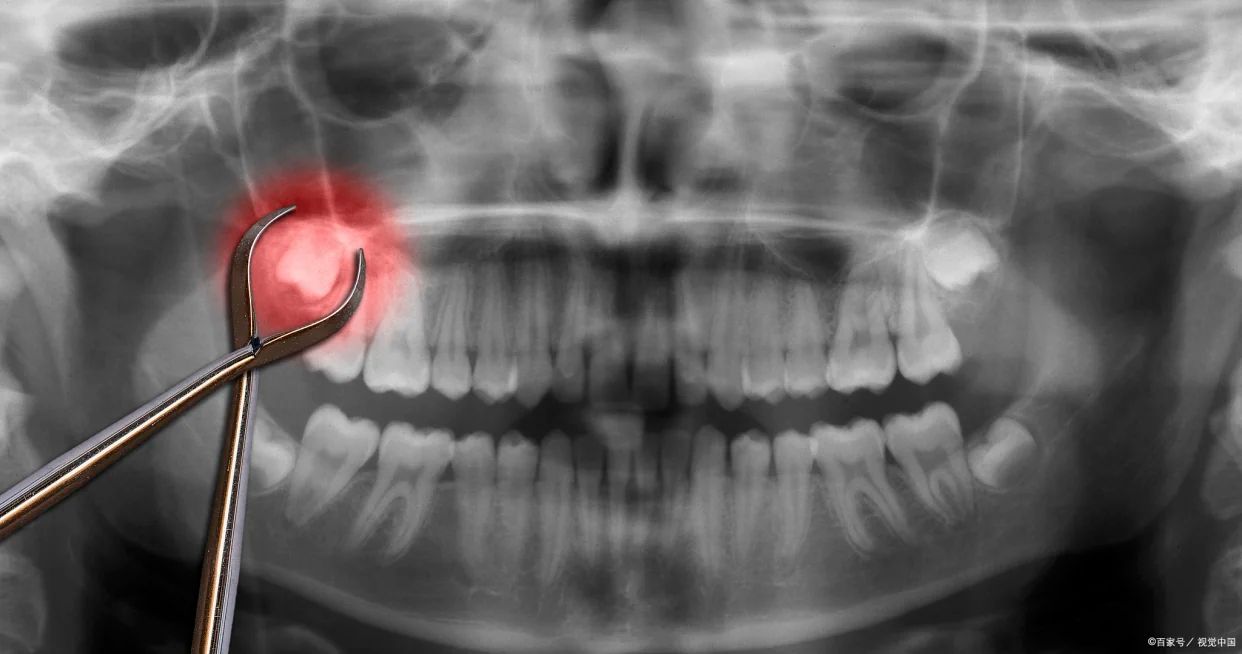
Expect a visual exam, X-rays, and tests for nerve vitality (cold test or gentle tapping). Your dentist will identify whether the dark area is decay, dead tissue, staining, or a failing restoration, then recommend one or more
of these treatments:
- Dental bonding or filling: For small breaks with minor decay. The dentist removes damaged tissue and restores the shape with a tooth-colored material.
- Inlay/onlay or crown: For larger fractures or weakened teeth. A crown covers the entire tooth, restoring strength and appearance.
- Root canal therapy: If the pulp is infected or dead. The dentist removes infected tissue, disinfects the canals, and seals them, typically followed by a crown.
- Replacement of old fillings or crowns: If staining stems from a leaking margin or metal shadow, replacing the restoration can stop decay and improve esthetics.
- Extraction: If the crack extends below the gumline or the tooth is too compromised to save. The dentist will discuss replacement options like implants or bridges.
- Antibiotics: Only when there’s an active spreading infection. They are not a substitute for treating the source of the problem.
Is a black interior ever harmless?
Sometimes discoloration is mostly cosmetic—such as stains left by foods, tobacco, or an old metal filling margin. Still, a break changes how bacteria enter the tooth and makes cleaning harder, increasing the risk of decay and infection. Even if pain is minimal, the fracture is a structural weakness you don’t want to leave unattended.
What happens if you ignore it?
- Infection and abscess: Bacteria can invade the pulp and surrounding bone, causing severe pain, swelling, and pus.
- Tooth loss: Decay spreads quickly in a broken tooth, making it harder to save.
- More extensive treatment later: A small filling today can become a root canal and crown—or an extraction—if delayed.
- Bite and alignment problems: Losing a tooth can lead neighboring teeth to shift, altering your bite and causing jaw discomfort.
- Systemic effects: Oral infections can affect overall health, especially if you have diabetes, heart disease, or a weakened immune system.
How to prevent it from happening again
- Brush twice daily with fluoride toothpaste and use floss or interdental brushes once a day.
- See your dentist and hygienist regularly for checkups and cleanings; early decay is easier and less costly to fix.
- Wear a nightguard if you grind your teeth and a sports mouthguard during contact activities.
- Be kind to your teeth: Avoid chewing ice, opening packages with your teeth, or cracking hard shells.
- Choose tooth-friendly snacks and limit frequent sugary or acidic drinks.
- Replace worn or leaking fillings and maintain crowns before they fail.
- Manage dry mouth by staying hydrated and talking with your dentist about saliva-supporting options if needed.
Bottom line
A tooth that breaks and appears black inside is usually a warning sign that something more serious is happening—often decay or a dying nerve. While it’s not always an immediate emergency, it does merit prompt professional care. Acting early can save the tooth, spare you pain, and reduce the need for complex treatment. If you’re unsure how urgent your situation is, err on the side of caution and book a dental appointment soon.
















