









Darker Tooth: Hype vs. What Dentists Actually Do in 2026
If you’ve noticed a tooth getting darker—maybe a grayish front tooth in selfies or a yellow-brown tint that won’t brush away—you’re not alone. In 2026, “darker tooth” is a trending search term, and social feeds are full of hacks, LED gadgets, and purple pastes promising instant brightening. But behind the hype, dentists are quietly doing what they’ve always done: diagnosing the cause and fixing the root of the problem. Here’s a clear, human explanation of what really matters if one tooth (or all of them) look darker, and what dental pros actually do about it today.
What “darker tooth” really means
Not all discoloration is the same. The difference matters because it determines what works:
- Surface stains (extrinsic): Pigments from coffee, tea, red wine, curry, soy sauce, or tobacco cling to the enamel’s surface or to plaque and tartar. Some mouthrinses with antiseptics can also stain. These are often removable with a professional cleaning or gentle whitening.
- Internal discoloration (intrinsic): Changes within the tooth structure itself. Common causes include past trauma (a tooth that was bumped years ago can slowly turn gray), a dying or dead nerve, aging dentin (which naturally yellows), outdated metal-containing fillings, root canal after-effects, certain antibiotics in childhood, or enamel defects. A single darker tooth compared to its neighbors often means something internal.
Hype vs. reality in 2026
- Charcoal and DIY abrasives: Abrasive trend products can feel like they “work,” but they often scratch enamel and expose the yellowish dentin beneath, making teeth look darker over time. Dentists still advise caution here.
- Lemon and acid hacks: Acidic hacks may temporarily brighten by “etching” stains, but they soften enamel. That roughened surface then attracts more stains and sensitivity. Hard pass.
- Purple/blue “toning” toothpastes: These neutralize yellow visually for a short window, like a filter. They don’t chemically whiten; they camouflage. Useful for a quick photo, not a treatment.
- LED mouthpieces and blue lights: In-office lights used with professional gels can control heat and help isolate areas, but the light itself doesn’t bleach. Most at-home lights in 2026 are more about choreography than chemistry. The gel’s formulation, pH, and time on teeth matter far more.
- Whitening strips and pens: They can lift mild surface stains and lighten overall shade if used consistently and correctly. But they won’t fix a single dark tooth with internal discoloration.
What dentists actually do in 2026
Step one is always diagnosis. Modern clinics combine shade mapping with photos, low-dose radiographs, near-infrared transillumination (to see cracks and decay), and pulp vitality tests to learn if a tooth is alive. Some offices use AI-assisted shade analysis to track changes over time. Knowing the cause is half the cure.
When stains are on the surface:
- Professional cleaning and air polishing: Fine powders like erythritol or glycine gently remove stubborn stain and biofilm without grinding enamel.
- Microabrasion: For tiny enamel defects or superficial brown-white marks, dentists can micro-polish and smooth the surface, making stains less likely to stick.
- Take-home whitening with custom trays: Individually fitted trays ensure even contact and reduce gel leakage to the gums. New 2026 gels are more pH-stable and often include desensitizing agents like potassium nitrate or nano-hydroxyapatite.
When the discoloration is inside the tooth:
- If the nerve is healthy: External bleaching under supervision can gradually lighten intrinsic pigments. It’s a marathon, not a sprint—slow, controlled whitening prevents sensitivity and patchy results.
- If the nerve is dying or dead:
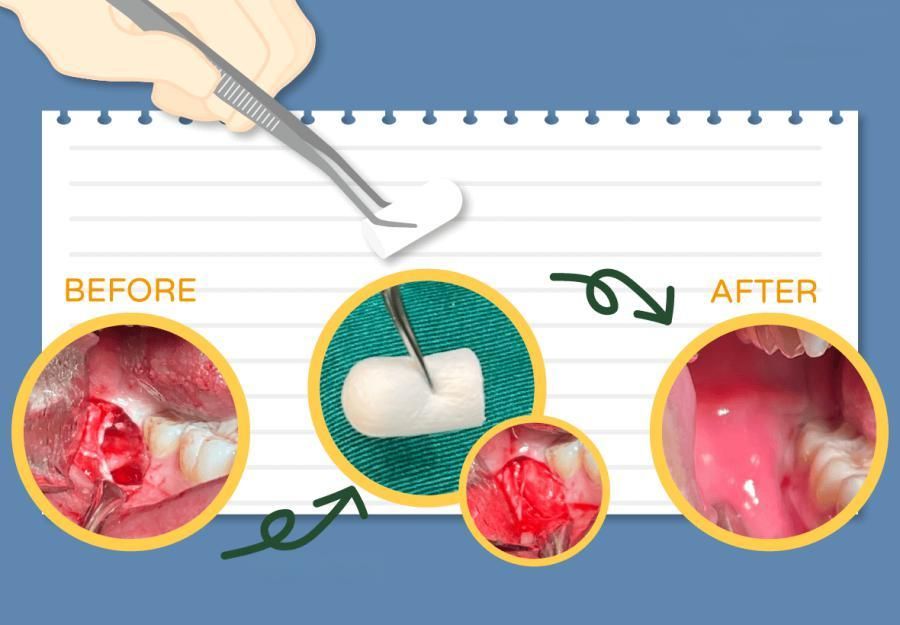
The priority is health. A root canal may be needed to remove infected tissue. After that, internal bleaching (the “walking bleach” method) can brighten from the inside out. Today’s protocols emphasize protective barriers to prevent resorption and use modern, enamel-friendly oxidizers rather than older, harsher materials.
- If bleaching won’t deliver: Conservative cosmetic options shine. Resin bonding can mask darker dentin with minimal drilling. For deeper or banded discoloration (like severe tetracycline stains), ultra-thin ceramic veneers—with precise, minimal prep and modern translucent ceramics—can restore lifelike brightness while preserving tooth structure.
- White spot fixes: Resin infiltration can blend those chalky lesions without drilling, helping the overall smile look more even.
2026 upgrades and safeguards you might not hear about on social media
- Smarter gels and protocols: Neutral pH formulas reduce enamel softening and sensitivity. Many dentists “prime” with desensitizers or remineralizers before starting.
- Bioceramic-friendly endodontics: Newer root canal materials are designed to reduce the risk of tooth darkening—great news if you’ve heard horror stories from a decade ago.
- Better barrier techniques: When doing internal bleaching, dentists place modern barriers to protect the root and gums, lowering risks and improving longevity.
- Compliance tracking for at-home therapy: Some custom trays now incorporate tiny sensors to track wear time, helping you and your dentist keep the plan on course without guesswork.
- Evidence over marketing: Regulatory bodies in 2026 scrutinize whitening claims more closely. If a product boasts “10 shades in 10 minutes,” professionals will point you back to peer-reviewed science.
What you can do right now
- Audit your habits: Sipping dark drinks all day is a stain factory. If you won’t give up coffee or tea, try a straw for cold drinks, rinse with water afterward, and brush after 30 minutes (not immediately) to avoid brushing softened enamel.
- Floss more than you think: Plaque holds pigment. Clean interproximals, and stains have fewer places to cling.
- Choose evidence-based products: Look for recognized safety seals and remember that whitening toothpaste mostly cleans; it doesn’t bleach. If it feels too scratchy, it probably is.
- Watch for a single dark tooth: If one tooth looks darker than its neighbors or hurts with temperature, don’t crowdsource a diagnosis—book an exam. Early intervention beats trial-and-error.
- Manage expectations: Whitening is like fitness. You can get impressive results, but maintenance matters. Touch-ups a few times a year are common, especially if you love chromogenic foods and drinks.
Common questions, clear answers
- How long will whitening last? It varies. If you maintain clean habits and get periodic professional cleanings, results can hold well. If you sip staining drinks daily, expect touch-ups.
- Will whitening damage my enamel? Properly formulated, neutral pH gels used under guidance are safe. Overuse, high-abrasion pastes, and acidic hacks are the culprits that cause damage and sensitivity.
- Is a dark tooth a cavity? Not necessarily. It could be trauma, an old filling, or pulp issues. That’s why testing and imaging matter.
The bottom line
Darker teeth aren’t a moral failing or a reason to panic; they’re a common, solvable cosmetic and sometimes health signal. In 2026, dentists have better diagnostics, gentler gels, smarter trays, and more conservative cosmetic materials than ever. What hasn’t changed is the playbook: identify the cause, treat conservatively, protect enamel, and set realistic expectations. Skip the gimmicks, trust evidence, and partner with a professional. Your smile will look brighter—and stay that way—when science leads the way.
















