









Are Black Gums Bad? 6 Signs It Needs a Dentist in 2026
Noticing black or dark patches on your gums can be alarming, but they aren’t always a sign of trouble. In many cases, darker gums are perfectly normal. Still, sudden color changes or spots that look unusual deserve attention. Here’s how to tell the difference between harmless pigmentation and warning signs that point to a dental visit—and what to do next in 2026.
What “black gums” can mean
- Natural pigmentation: People with darker skin tones often have more melanin in their gums. This can make gums appear brown, blue-brown, or almost black in places from childhood onward. If the color has always been there and looks even and symmetrical, it’s typically normal.
- Smoking or vaping: Tobacco and certain chemicals can stimulate melanin cells in the gum tissue, deepening color over time. Quitting often prevents further darkening and improves gum health overall.
- Amalgam tattoo: If you have (or once had) metal amalgam fillings, tiny particles can embed in the gum, creating a small blue-gray spot near the filling. This is benign, but a dentist can confirm it.
- Medication or medical conditions: Some drugs and systemic conditions—like adrenal disorders (e.g., Addison’s disease) or certain antimalarials—can cause pigmentation. If you’re on new medications and notice changes, mention it to your dentist and physician.
- Gum disease and trauma: Inflamed or infected gum tissue can look red, purple, or very dark, especially if there’s bleeding or ulceration. Trauma (including piercings or aggressive brushing) can also bruise gums, turning them bluish-black temporarily.
Black gums versus unhealthy gums
Color is just one clue. Healthy gums are usually firm, not tender, and don’t bleed easily. If your gums are dark but feel comfortable, don’t bleed when you brush or floss, and haven’t changed quickly, the color may simply be your normal pigmentation. Unhealthy gums often come with other symptoms—pain, swelling, odor, or rapid changes.
6 signs it needs a dentist in 2026
1) Rapid or uneven color change
If your gums suddenly develop new black, blue, or very dark patches—especially with irregular borders or on one side only—get checked. A dentist can rule out trauma, infection, metal tattoos, and rare but serious causes.
2) Persistent bleeding or soreness
Gums that bleed daily, feel tender, or look raw can indicate gingivitis or periodontitis. Infected gum tissue can appear darker as blood flow and inflammation increase. Early treatment helps protect the bone and teeth.
3) Swelling, pus, or a bad taste
A gum abscess can make tissue look dark, swollen, and painful. If you notice pus, a foul taste, or a bump near a tooth, seek care promptly to prevent the infection from spreading.
4) Receding gums or loose teeth
Exposure of tooth roots, widening spaces, or teeth that move when you chew are red flags for advanced gum disease. The color may vary, but the structural changes matter most—see a dentist quickly.
5) A spot
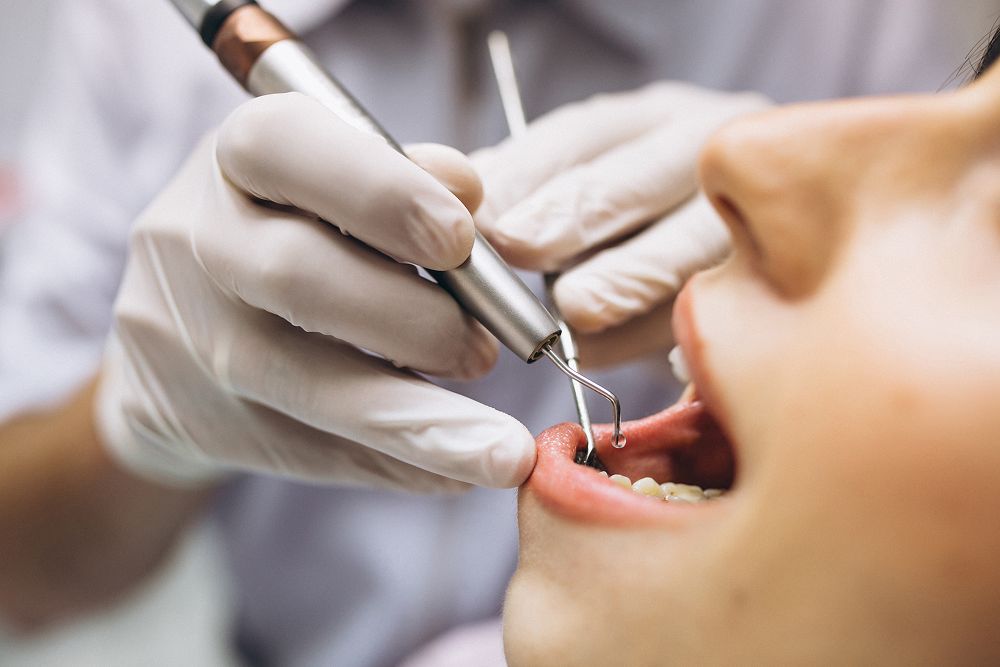
that changes, bleeds, or won’t heal
Any pigmented lesion that grows, changes shape, bleeds spontaneously, or doesn’t resolve in 2–3 weeks should be examined. Oral melanoma is rare, but it’s important not to ignore evolving spots.
6) Ongoing bad breath and taste changes
Chronic halitosis with a metallic or sour taste often points to plaque buildup, gum infection, or dry mouth. Darkened gum tissue plus odor suggests it’s time for a professional evaluation.
What your dentist may do
- Comprehensive exam: Your dentist will review your medical history, medications, and lifestyle (including smoking or vaping), then examine your gums, teeth, and oral tissues. They may use photos to track changes over time.
- Imaging and tests: X-rays and periodontal measurements check bone levels and gum pockets. If a spot looks atypical, your dentist may recommend a biopsy to confirm the diagnosis.
- Cleaning and periodontal therapy: Professional cleaning, scaling and root planing (deep cleaning), and improved home care can reverse early gum disease and stabilize more advanced cases.
- Treatment of specific causes: Abscesses are drained and treated; ill-fitting restorations are adjusted; irritation from piercings or habits is addressed. If you have an amalgam tattoo, your dentist can confirm it’s benign.
- Cosmetic depigmentation: If your gums are healthy but you prefer a lighter look, options like laser depigmentation or micro-surgical techniques can reduce melanin appearance. This is elective and based on your goals and oral health.
Smart at-home care
- Brush gently twice daily with a soft toothbrush and fluoride toothpaste. Over-scrubbing can bruise gums, making them look darker and sore.
- Floss or use interdental cleaners daily. Plaque left between teeth fuels gum inflammation.
- Rinse wisely. Alcohol-free, antibacterial rinses can help if your dentist recommends them. Avoid harsh whitening pastes or abrasive scrubs on gum tissue.
- Quit smoking or vaping. Beyond color changes, tobacco increases gum disease risk and slows healing.
- Track changes. If you notice a new dark spot, take a clear photo in consistent lighting and recheck after two weeks. If it grows or persists, book an exam.
Prevention matters in 2026
Routine checkups and professional cleanings remain the best defense against gum problems. Balanced nutrition, regular hydration, and managing stress also support healthy oral tissues. If you have systemic conditions like diabetes, keeping them well-controlled lowers your risk of gum disease and unusual oral changes.
The bottom line
Black gums aren’t automatically bad. Natural pigmentation, past dental work, and lifestyle factors often explain the color. What matters most are patterns and symptoms: sudden changes, bleeding, pain, swelling, lesions that don’t heal, receding gums, or persistent bad breath. If any of these six signs ring true, schedule a dental visit. Timely care in 2026 can clarify the cause, protect your oral health, and give you peace of mind.
















