









What Does It Mean When Your Mouth Turns Black? A Short Guide
Seeing black discoloration in your mouth can be startling. The good news is that many causes are harmless and temporary. Still, some require a dentist’s or doctor’s attention. This short, plain-English guide walks you through what to look for, common causes, when to worry, and what to do next.
First, figure out what exactly looks black
- Is it your tongue, gums, teeth, inner cheeks, or lips?
- Does it wipe off with a toothbrush or a clean cloth?
- Did you recently eat dark-colored foods or take new medications?
- Are you experiencing pain, bleeding, bad breath, fever, or a growing patch?
Those quick questions help sort out whether it’s likely a simple stain or something that deserves professional care.
Common, generally harmless reasons your mouth looks black
- Foods, drinks, and supplements: Blueberries, black licorice, dark icing, squid ink, activated charcoal, iron supplements, and even some herbal products can temporarily darken your tongue, teeth, or saliva. If the discoloration wipes off and fades within a day or two, it’s usually just a stain.
- Bismuth-containing stomach medicines: These can react with saliva and bacteria to create a black coating on the tongue or a dark line on the gums. It looks dramatic but typically resolves within 24–72 hours after stopping the medication.
- “Black hairy tongue”: Despite the name, it isn’t hair. Tiny projections on the tongue (filiform papillae) can overgrow and trap pigments from food, coffee, tea, tobacco, and bacteria, turning the tongue brown to black with a fuzzy look. Risk factors include smoking or vaping, dry mouth, frequent coffee/tea, antibiotic use, poor oral hygiene, and a soft diet. It’s usually painless and responds to:
- Brushing the tongue or using a tongue scraper gently every day
- Hydrating well and stimulating saliva (sugar‑free gum)
- Cutting back on tobacco and dark beverages
- Improving overall brushing and flossing
- Amalgam “tattoo”: A small, flat, grayish‑black spot on the gums or inner cheek near an old metal filling can be a harmless deposit of filling material. It doesn’t rub off, rarely changes, and usually needs no treatment unless it’s uncertain and needs to be identified by a dentist.
- Mouthwash staining: Some antiseptic rinses can darken the tongue or teeth over time. The color is often brownish rather than jet black and improves when you switch products and get a professional cleaning.
Causes that deserve a closer look from a professional
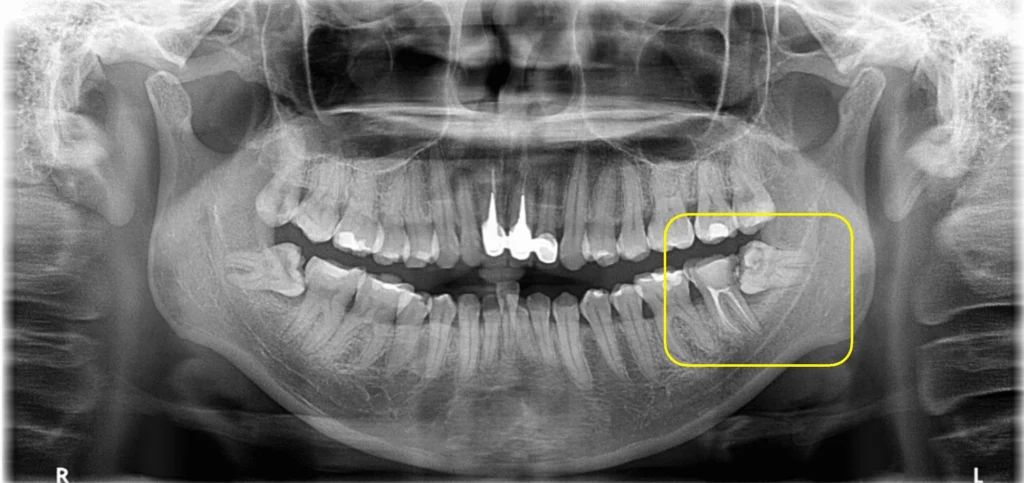
- Tooth decay or a dead tooth: A dark spot or an entire tooth turning gray‑black can mean deep decay or a non‑vital tooth. Sensitivity, pain when chewing, or bad odor are red flags. See a dentist promptly to prevent infection and save the tooth if possible.
- Gum infections: Severe gum disease or necrotizing infections can cause blackened, ulcerated gum tissue, significant pain, bleeding, and a foul taste or smell, sometimes with fever or swollen lymph nodes. This is urgent; contact a dentist or seek urgent care.
- Medication‑related pigmentation: Certain long‑term medications (for example, some antibiotics, antimalarials, and other therapies) can gradually darken the gums, tongue, or inner cheeks. It’s usually cosmetic and harmless but should b
e evaluated. Never stop a prescribed medication without your doctor’s guidance.
- Smoker’s melanosis and betel nut use: Tobacco and betel nut can increase pigmentation in the mouth. While the pigment itself is typically benign, these habits raise oral cancer risk. Reducing or quitting is one of the best steps you can take for your oral and overall health.
- Oral melanoma (rare but serious): A dark spot that is asymmetric, has irregular borders, varies in color (black, blue, brown, or red), grows, bleeds, or ulcerates needs urgent evaluation by a dentist, oral surgeon, or dermatologist. Not every dark spot is cancer, but changes over time are a key warning sign.
- Blood blisters (angina bullosa hemorrhagica): Sudden, painless, dark blisters in the mouth can appear after minor trauma or eating hot foods and usually heal on their own in a week or two. If they recur frequently or are painful, get checked.
- Heavy metal exposure: A bluish‑black line along the gums can occur with certain metal exposures. If you suspect occupational or environmental exposure, see a physician.
What to do right now
- If you suspect a stain: Gently brush your teeth and tongue, floss, and rinse with water. If the discoloration fades or wipes away and you feel fine, monitor it for 24–72 hours.
- If there’s pain, bleeding, a foul odor, fever, or tissue that looks dead or ulcerated: Seek dental or urgent medical care. Rapid changes or signs of infection shouldn’t wait.
- If a dark spot doesn’t rub off and lasts more than two weeks, or you’re unsure what you’re seeing: Schedule an examination. A quick professional look can give you clarity and peace of mind.
Prevention and daily care tips
- Brush twice daily with a soft toothbrush, floss once daily, and clean your tongue gently.
- Stay well hydrated. Dry mouth makes staining and black hairy tongue more likely.
- Limit tobacco, vaping, betel nut, and very dark beverages. If you use them, rinse with water afterward.
- Keep a balanced diet with fiber; crunchy fruits and vegetables help naturally scrub surfaces.
- Review medications and supplements with your healthcare provider if you notice new pigmentation.
- Keep regular dental checkups and cleanings; your dentist can spot early changes and remove stains safely.
Quick answers to common questions
- Is a black tongue contagious? No. Most cases, like black hairy tongue or simple staining, are not infections you can “catch.”
- Can stress make your mouth turn black? Stress itself doesn’t cause black discoloration, but it can change habits (more coffee, less brushing, mouth breathing) and reduce saliva, which can contribute to staining and black hairy tongue.
- What about children? Dark foods, markers, iron drops, or a bismuth stomach remedy can temporarily stain a child’s mouth. Any persistent dark spot, painful gum, or blackened tooth in a child should be checked by a dentist.
Bottom line
Most black discoloration in the mouth is either a stain or a benign condition that clears with better hygiene and a few habit tweaks. That said, persistent, painful, or changing dark patches—especially ones that don’t wipe off—warrant a professional exam. Your mouth is an early warning system for your health. If something looks off and doesn’t improve, it’s worth getting it checked.
















