









Why Does Tartar Turn Black? What Happens at the Dentist
Noticing dark or black buildup along your teeth can be unsettling. Is it a stain? Is it decay? In many cases, what you’re seeing is tartar that has darkened over time. Understanding why tartar turns black—and what your dentist does to remove it—can help you keep your smile healthier and your breath fresher.
What tartar actually is
Tartar (also called calculus) is hardened plaque. Plaque is a soft, sticky film of bacteria, food debris, and saliva that forms on your teeth every day. If plaque isn’t thoroughly removed, minerals in your saliva crystallize it into tartar. Once it hardens, it bonds to the tooth surface and can’t be brushed away at home. Tartar commonly forms around the gumline, behind lower front teeth, and between teeth—areas where plaque is easy to miss.
Why tartar turns black
Fresh tartar can be yellow or light brown, but several factors can darken it to a deep brown or black:
- Pigments from foods and habits: Coffee, tea, red wine, cola, berries, curry, and tobacco introduce dark pigments that adhere to tartar. Because tartar is porous and rough, it absorbs and locks in these stains much more readily than smooth enamel.
- Bleeding gums and iron compounds: When tartar forms below the gumline (subgingival calculus), it often contacts inflamed, bleeding gum tissue. Blood contains iron from hemoglobin, and breakdown products of blood can darken, contributing to black or greenish calculus.
- Chromogenic bacteria and biofilm chemistry: Some bacteria produce pigmented compounds (like porphyrins) that can color tartar dark brown or black over time, especially in areas that are not well-cleaned.
- Time and maturation: The longer tartar sits, the more it dehydrates, mineralizes, and accumulates stains. Old calculus is typically darker and harder.
- Certain mouthrinses or medications: Antiseptic rinses like chlorhexidine and iron supplements can promote staining on plaque and tartar, deepening their color.
Black tartar vs. cavities or “black tooth”
It’s important to distinguish between black tartar and other dark spots:
- Extrinsic stain: A smooth, dark line near the gumline that wipes off at a cleaning may simply be stain without heavy tartar.
- Black line stain in children: Some kids develop a harmless black line at the gumline due to certain bacteria; it’s not decay but still needs professional cleaning.
- Cavities and decay: A dark pit, especially if it’s soft, may be decay in the enamel or dentin. Unlike tartar, decay is inside the tooth structure, not simply on top of it.
- Dead or severely damaged tooth: A tooth that has suffered trauma or a dying nerve can look dark from within, which won’t be fixed by cleaning alone.
If you’re unsure what you’re seeing, a dental exam is the surest way to find out.
Is black tartar dangerous?
Tartar itself is a hardened scaffold for bacteria. Left in place, it:
- Traps more plaque and irritates the gums
- Triggers gingivitis (red, swollen, bleeding gums)
- Can progress to periodontitis (gum disease), where the bone around teeth is lost
- Contributes to bad breath
- Makes it harder to clean properly, perpetuating the cycle
Black tartar isn’t just a cosmetic issue; it’s a sign that plaque has been sitting long enough to mineralize and mature. The sooner it’s removed, the better your chances of reversing gum inflammation and preventing deeper problems.
What happens at the dentist
A professional cleaning targets tartar safely and effectively. Here’s what typically happens:
- Examination and diagnosis: Your dentist or hygienist checks your gums, measures pocket depths, and looks for tartar above and below the gumlin
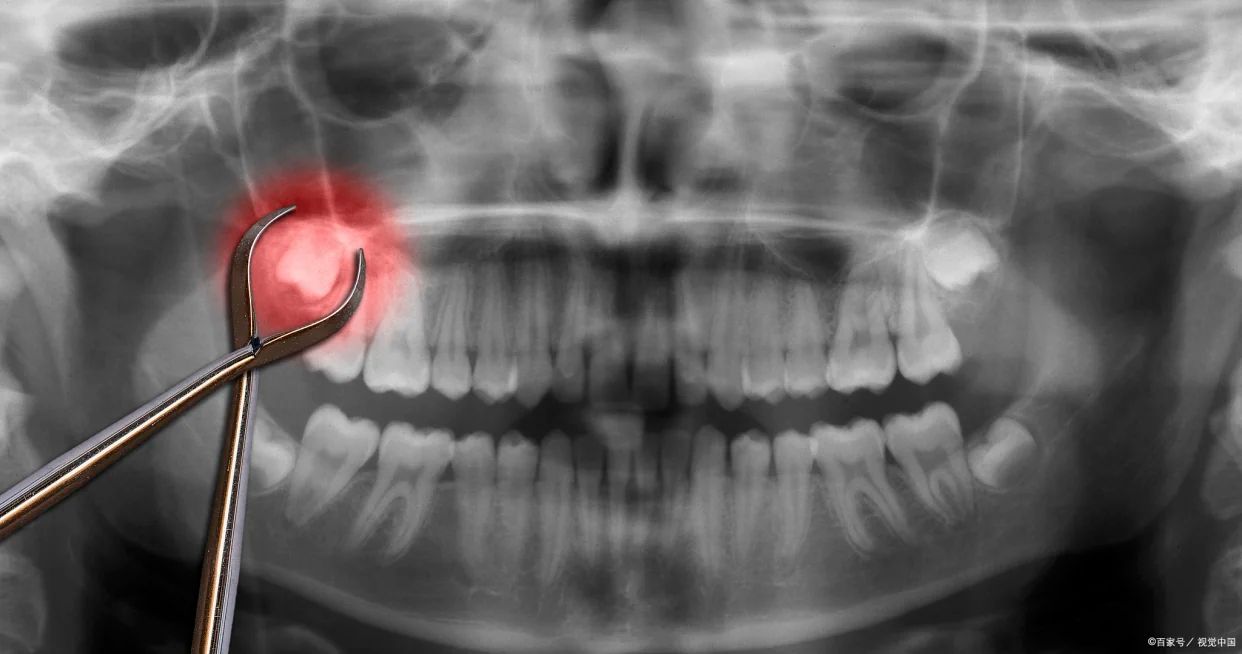
e. X-rays may be taken to spot calculus between teeth and to assess bone levels.
- Scaling: Using an ultrasonic scaler (which vibrates and sprays water) and fine hand instruments, the clinician gently lifts tartar off the tooth surfaces. You’ll hear a tapping or buzzing sound and feel water, but this process should not be painful. Stubborn deposits, especially in tight spaces, are removed carefully to avoid scratching the enamel.
- Root planing (if needed): If there’s gum disease with deeper pockets, scaling extends below the gumline to remove tartar and smooth the roots. Local anesthesia is often used for comfort, and the work may be done in sections. Smoothing the root helps the gums reattach and makes it harder for bacteria to stick.
- Polishing and flossing: After tartar is removed, teeth are polished to reduce surface roughness and remove residual stain. Interdental areas are flossed or cleaned with interdental brushes.
- Desensitizing and fluoride: You may receive a fluoride treatment or desensitizing agent to reduce post-cleaning sensitivity and strengthen enamel.
- Home care guidance: Expect tailored tips on brushing technique, tools that suit your mouth (like interdental brushes for specific spaces), and a schedule for follow-up cleanings.
Can you remove black tartar at home?
No. Once plaque has hardened into tartar, home tools can’t safely detach it. Attempts to scrape it off with improvised tools can gouge enamel, injure gums, and push bacteria under the gumline. Whitening products don’t remove tartar; they lighten surface stains on enamel but can’t detach calcified deposits.
How to prevent tartar and black staining
- Brush thoroughly twice daily: Use a soft-bristled manual or electric toothbrush and fluoride toothpaste. Angle the bristles toward the gumline and spend time on the inner surfaces of lower front teeth, where tartar loves to form.
- Clean between teeth daily: Floss or use interdental brushes to disrupt plaque in tight contacts and along the gumline.
- Consider an electric toothbrush: Many people remove more plaque with a powered brush due to built-in timers and consistent motion.
- Rinse wisely: An antimicrobial mouthrinse can be helpful as an adjunct if recommended by your dentist. If you use a rinse known to stain, meticulous brushing and regular cleanings become even more important.
- Tame staining habits: Limit or rinse after coffee, tea, red wine, and cola. Avoid smoking or vaping; tobacco rapidly darkens tartar and undermines gum health.
- Support saliva: Stay hydrated and talk to your dentist if you have dry mouth. Saliva helps buffer acids and wash away debris.
- Keep regular cleanings: Professional cleanings at intervals recommended for your gum health are the best defense against tartar buildup.
- Mind your appliances: If you wear retainers, aligners, or partials, clean them daily to avoid plaque accumulation against teeth.
When to see your dentist
If you notice dark deposits near your gumline, persistent bad breath, bleeding when brushing, or teeth that feel rough even after cleaning, schedule a dental visit. Early intervention can turn inflamed gums around and prevent small problems from becoming bigger ones.
The bottom line
Tartar turns black when it absorbs pigments, interacts with blood byproducts below the gums, and matures over time. It’s a warning sign that plaque has been sitting undisturbed and that your gums may be irritated or infected. The good news: dentists and hygienists have safe, effective tools to remove it and reset your oral health. Combine professional care with consistent home habits, and you’ll keep tartar—and its telltale dark color—from taking hold again.
















