









Black Molar: Stain vs. Infection Signs Explained Simply
Spotting a black area on a molar can be alarming. Is it just a harmless stain or a warning sign of something deeper, like a cavity or infection? Here’s a simple, no-nonsense guide to help you understand the difference, what to look for, and what to do next.
What counts as a stain
Stains typically affect the outer surface of the tooth (the enamel) and tend to build up gradually. Common causes include:
- Foods and drinks: Coffee, tea, red wine, dark berries, soy sauce.
- Tobacco: Smoking and chewing tobacco can leave tenacious brown-black discoloration.
- Poor plaque control: Plaque that mineralizes into tartar (calculus), especially near the gumline, can look dark.
- Mouth rinses and supplements: Chlorhexidine rinses and iron supplements may cause dark staining.
- Chromogenic bacteria: In some people (often children), certain bacteria can produce dark lines or spots.
- Old dental materials: Silver-colored amalgam fillings can cast a grayish or dark hue around the edges.
Stains can also be “intrinsic,” meaning they’re within the tooth structure. These include discoloration from childhood antibiotics (like tetracycline), fluorosis, or trauma that changed the tooth color over time. Intrinsic stains won’t rub off with cleaning, but they are not infections by themselves.
What points to decay or infection
Decay and infection come from within the tooth or from bacterial breakdown of enamel and dentin. Pay attention to:
- Cavity (tooth decay): Often starts as a chalky white spot that turns brown or black as enamel breaks down. The surface may feel rough or sticky with floss.
- Pulp problems (nerve involvement): A tooth that turns gray-brown or black after a hit or deep decay may have a dying or dead nerve (pulp necrosis).
- Cracks trapping debris: A hairline crack can collect pigments and bacteria, leading to localized dark lines and sensitivity.
- Gum disease: Deep pockets and tartar under the gum can make the tooth look darker and cause bleeding or swelling.
Stain vs. infection: quick at-home clues
While only a dentist can diagnose for sure, these clues can help you gauge what you’re seeing:
- Location and look: Surface stains are often uniform smudges or lines, commonly near the gumline or in pits and fissures. Decay may look like a shadowy spot that spreads under the enamel, with a matte, softened, or cavitated surface.
- Texture: If a professional cleaning previously made similar discoloration disappear, you’re likely dealing with stain. Decay feels rough or sticky and does not polish away at home.
- Symptoms: Stains are usually painless. Decay or infection may cause sensitivity to sweets, cold, or heat; spontaneous throbbing; pain on biting; or a bad taste.
- Smell and swelling: Persistent bad breath isolated to that tooth, a pimple-like bump on the gum, or swelling suggests infection.
- Speed of change: Stains develop gradually. Sudden darkening or rapid change in color or shape is more concerning.
- Fillings nearby: A dark edge around an old filling could be stain, a margin leak, or recurrent decay—worth a dental check.
What to do right now
- Brush twice daily with a fluoride toothpaste and a soft brush. Focus on the gumline and chewing surfaces.
- Flo
ss or use interdental brushes daily to break up plaque that causes both stains and decay.
- Rinse with water after dark foods and drinks; use a straw for stain-prone beverages.
- Avoid DIY scraping, strong household bleach, or abrasive powders that can scratch enamel and make staining worse.
- Skip charcoal or overly abrasive whitening pastes; they may remove surface stain but can also wear enamel and worsen sensitivity.
When to see a dentist
- Pain, swelling, or a pimple on the gum.
- A dark spot that feels rough, catches floss, or is growing.
- A tooth that turned gray or black after trauma, even without pain.
- Persistent bad taste or odor from one area.
- Kids with black lines or spots on molars; early care prevents bigger problems.
- If the discoloration doesn’t lift after a professional cleaning.
What a dentist may do
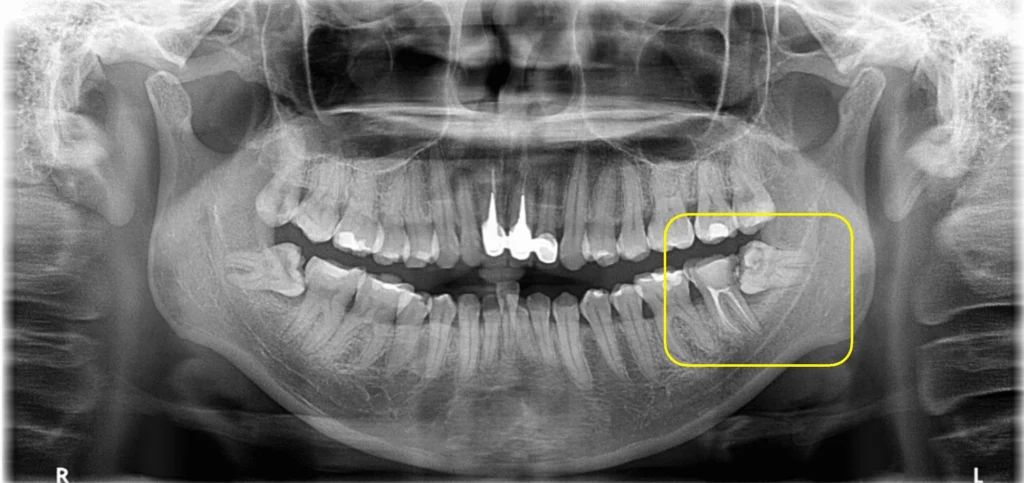
- Examination and x-rays to check for cavities under the surface.
- Vitality tests (cold test or light) to see if the nerve is healthy.
- Professional cleaning to remove plaque and tartar; many surface stains vanish after polishing or air polishing.
- Fluoride or sealants to protect deep grooves in molars.
- For intrinsic stains or minor surface defects: microabrasion, bonding, or supervised whitening.
- For decay: remove the decay and place a filling; for deeper damage or nerve involvement, root canal therapy and possibly a crown.
- For gum-related issues: deep cleaning (scaling and root planing) to remove tartar below the gums.
Prevention that actually works
- Make brushing and flossing non-negotiable. A clean tooth doesn’t stain as easily and is harder for decay to attack.
- Rinse or brush after stain-heavy foods and drinks; limit sipping over long periods.
- Regular dental cleanings and checkups—most stains and early decay are caught and fixed quickly.
- Consider sealants for deep molar grooves, especially in teens and young adults.
- Wear a nightguard if you grind your teeth; cracks invite discoloration and decay.
- Manage dry mouth by staying hydrated and talking to your dentist if medications reduce saliva.
FAQs, answered quickly
- Can a cavity be black? Yes. As enamel and dentin break down and pigments penetrate, cavities often appear brown to black.
- Are black lines at the gum always decay? Not always. They can be tartar, stain from mouthwash, or the edge of an old filling—but they can also hide decay. Get it checked.
- My molar is black but doesn’t hurt. Safe to ignore? No. Dead teeth can be painless yet infected. Color change alone warrants an exam.
- Could it be from a metal filling? Possibly. Amalgam can seep a grayish color into nearby tooth structure. A dentist can tell if it’s merely cosmetic or a leaking margin.
- Do whitening strips fix black molars? They can lighten surface discoloration, but they won’t fix decay, internal discoloration from a dead nerve, or tartar.
Bottom line
A black molar isn’t something to panic about—but it shouldn’t be ignored. Surface stains tend to be smooth, painless, and polishable. Decay or infection often brings roughness, sensitivity, bad taste, or swelling. Keep up with daily hygiene, avoid harsh DIY fixes, and book a dental visit if anything looks suspicious or changes quickly. Early answers mean simpler solutions and a healthier smile.
















