









Why My Gums Black? How It Gets Treated, Step by Step
Noticing that your gums look dark or even black can be alarming. The good news is that dark gums are often harmless and related to natural pigmentation. Still, gum discoloration can sometimes signal irritation, lifestyle factors, or a medical issue that deserves attention. This guide breaks down why gums can look black, how to tell what’s normal, and the step-by-step path to diagnosis and treatment.
Why gums look black or dark
- Natural melanin pigmentation: Just like skin tones vary, gum color does too. Many people naturally have brown or black spots on their gums because of melanin. This is common in people with darker skin tones and is completely benign.
- Smoker’s melanosis: Tobacco use can stimulate pigment cells, making gums darker. This often appears as diffuse brown patches, especially on the front gums.
- Medications: Certain drugs, such as some antimalarials or minocycline, can cause oral pigmentation over time. Never stop a prescribed medication without consulting your doctor, but do tell your dentist about everything you take.
- Amalgam tattoo: A tiny gray-blue spot near a previous metal filling can be an amalgam tattoo—harmless particles embedded in the gum. It’s a frequent, benign cause of localized dark spots.
- Gum disease (periodontitis): Inflamed, infected gums can appear red, purple, or dusky. Black-looking areas may reflect poor blood flow, buildup of plaque and tartar, or dead tissue in severe infections.
- Trauma and bruising: A bump, aggressive brushing, ill-fitting dentures, or recent dental work can bruise gums, temporarily darkening them.
- Vascular lesions or blood vessel clusters: Some benign vascular growths can look dark. These should be evaluated to confirm they are non-cancerous.
- Systemic conditions: Rarely, endocrine or genetic conditions can darken oral tissues. If you notice pigment changes on lips, mouth, and elsewhere on the body, seek medical evaluation.
- Rare but serious: Oral melanoma is extremely uncommon, but any rapidly growing, irregular, bleeding, or unexplained black patch needs prompt professional assessment.
When to see a dentist promptly
- New dark spot that appeared suddenly or is enlarging
- Irregular borders, multiple colors, or asymmetry
- Bleeding, ulceration, pain, or a lump under the spot
- Loose teeth, bad breath, pus, or gum recession
- You smoke or recently changed medications
- You’re unsure whether it’s normal pigmentation
Step-by-step: what to do if your gums look black
1) Observe carefully
Note where the discoloration is, how long it’s been there, and whether it’s flat and uniform or patchy and changing. Pay attention to symptoms like bleeding, tenderness, bad taste, or swelling.
2) Upgrade your daily oral care
- Brush twice daily with a soft brush using gentle, circular motions
- Clean between teeth daily with floss or interdental brushes
- Rinse with an alcohol-free mouthwash if recommended by your dentist
Good home care won’t erase natural pigmentation, but it reduces gum inflammation that can deepen color and mask the real cause.
3) Remove potential triggers
If you use tobacco, start a cessation plan. Limit foods and habits that irritate gums, like constant chewing of hard seeds or biting pen caps. If a medication could be involved, speak with your physician about alternatives.
4) Book a dental exam
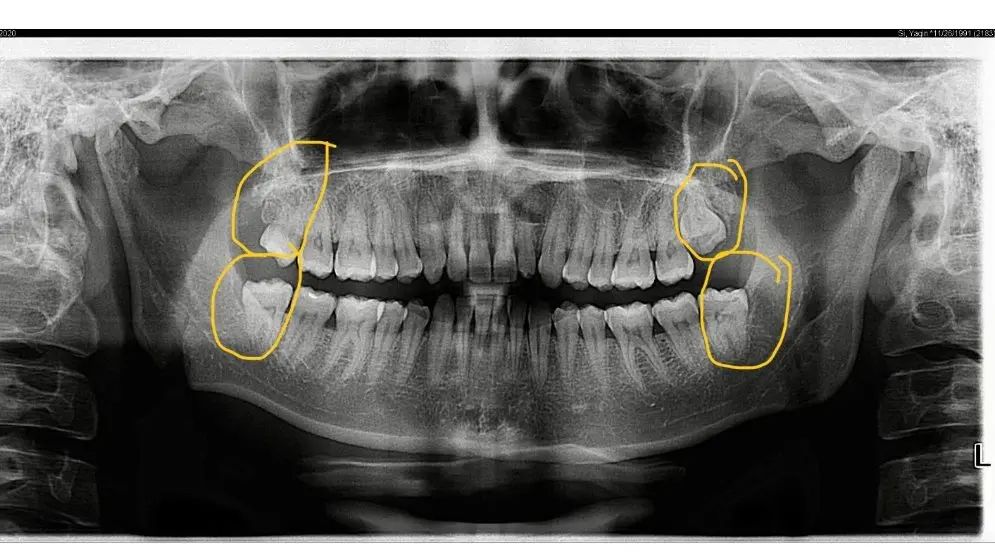
A dentist will review your health history, inspect the gums under good lighting, and may take dental X-rays or use simple tests to distinguish pigmentation from tattoos, bruises, or lesions. When in doubt, a small biopsy can confirm the diagnosis.
5) Get a precise diagnosis
Knowing whether your discoloration is natural melanin, smoker’s melanosis, an amalgam
tattoo, gum disease, or something else guides the right treatment. Many causes are harmless and need no intervention beyond monitoring.
6) Follow the recommended treatment plan
Depending on the cause, treatment might involve professional cleaning, periodontal therapy, stopping a trigger, or a cosmetic procedure to lighten the gum color.
7) Monitor and prevent recurrence
Regular checkups, tobacco avoidance, and consistent home care help keep gums healthy and color stable. Report any new or changing spots promptly.
How dentists treat black gums: options by cause
- Natural melanin pigmentation: No treatment is medically necessary. For those seeking a lighter look, gingival depigmentation can be done with laser therapy, micro-surgical techniques, or cryotherapy. Results vary; some repigmentation can occur over time.
- Smoker’s melanosis: The primary “treatment” is quitting tobacco. After cessation, pigmentation may lighten gradually. Cosmetic depigmentation can be considered once you’re smoke-free.
- Amalgam tattoo: If an X-ray confirms an amalgam particle and the spot is stable, no treatment is required. If aesthetics are a concern, minor surgical removal of embedded particles is sometimes an option.
- Medication-related pigmentation: Discuss alternatives with your physician. If the drug cannot be changed and the discoloration is bothersome, cosmetic depigmentation may help in select cases.
- Gum disease: Professional scaling and root planing to remove plaque and tartar, improved home care, and, if needed, periodontal therapy are essential. Resolving inflammation often reduces the dusky appearance.
- Trauma/bruising: Typically self-resolves as tissues heal. Avoid the irritant and stick to gentle brushing.
- Vascular or other lesions: Management depends on the exact diagnosis. Your dentist may refer you to a specialist for evaluation and targeted treatment.
- Suspicious lesions: Any lesion with concerning features may be biopsied. Early detection is crucial for serious conditions.
Home care and prevention tips
- Brush gently twice daily and replace your brush every 3 months
- Clean between teeth daily to reduce plaque at the gumline
- Avoid tobacco in all forms; it’s a major driver of gum changes
- Eat a balanced diet to support gum health
- Keep regular dental checkups and cleanings
- Wear a mouthguard if you grind teeth to reduce gum trauma
- Discuss any new medications with both your physician and dentist
FAQs
Are black gums normal?
They can be. Many people naturally have darker gums due to melanin. If the color has been present for years, is symmetrical, and you have no symptoms, it’s often normal. New, changing, or symptomatic spots should be checked.
Can toothpaste or whitening products lighten black gums?
No. Whitening agents target tooth enamel, not gum tissue. Avoid harsh products that can irritate gums.
Will black gums go away on their own?
Natural pigmentation usually remains stable. Smoker’s melanosis can lighten after quitting. Bruising fades with healing. Gum disease–related discoloration improves as inflammation resolves.
Is laser gum depigmentation safe?
When performed by a trained professional, laser depigmentation is a well-established cosmetic option. Results and longevity vary, and some repigmentation can occur.
The bottom line
Black or dark gums are often a normal variation, but they can also reflect lifestyle factors or oral health issues. Focus on consistent oral hygiene, eliminate irritants like tobacco, and get a professional evaluation. With a clear diagnosis, your dentist can guide you through step-by-step care—whether that means watchful monitoring, treating gum disease, or a cosmetic depigmentation procedure—to keep your smile healthy and confident.
















