









Tooth Necrosis Treatment: Is It Dangerous? What to Check
Hearing that you have “tooth necrosis” (also called pulp necrosis or a dead tooth) can sound alarming. The good news: treatment is routine, effective, and far less dramatic than the name suggests. The risky part usually isn’t the procedure—it’s leaving an infected or dying tooth untreated. This guide explains what tooth necrosis is, whether treatment is dangerous, and what to check before you move forward.
What is tooth necrosis, and how does it feel?
Inside every tooth is soft tissue called the pulp, which contains nerves and blood vessels. If that tissue dies due to deep decay, trauma, cracks, or severe gum disease, the tooth becomes non-vital. Signs can vary:
- Sensitivity that fades into no feeling at all
- Lingering pain or throbbing, especially with heat
- Tooth darkening or a grayish color
- Swelling, a pimple-like bump on the gums, or bad taste from drainage
- Pain on biting or chewing
- Sometimes no pain at all until infection spreads
Is treatment dangerous?
In modern dentistry, treating tooth necrosis—most commonly with root canal therapy—is generally safe and predictable. Local anesthesia makes the procedure comfortable, and recovery is typically straightforward. What can be dangerous is ignoring the problem. An untreated infected tooth can lead to a dental abscess, facial swelling, and in rare cases, serious complications like cellulitis, airway issues, or systemic infection. If you have fever, spreading swelling to the eye, jaw, or neck, difficulty swallowing or breathing, or feel generally very unwell, seek urgent care.
How is it diagnosed?
Your dentist or endodontist (root canal specialist) will combine:
- Clinical exam: tapping the tooth, checking for tenderness, gum swelling, or a draining fistula
- Vitality tests: cold test, electric pulp test
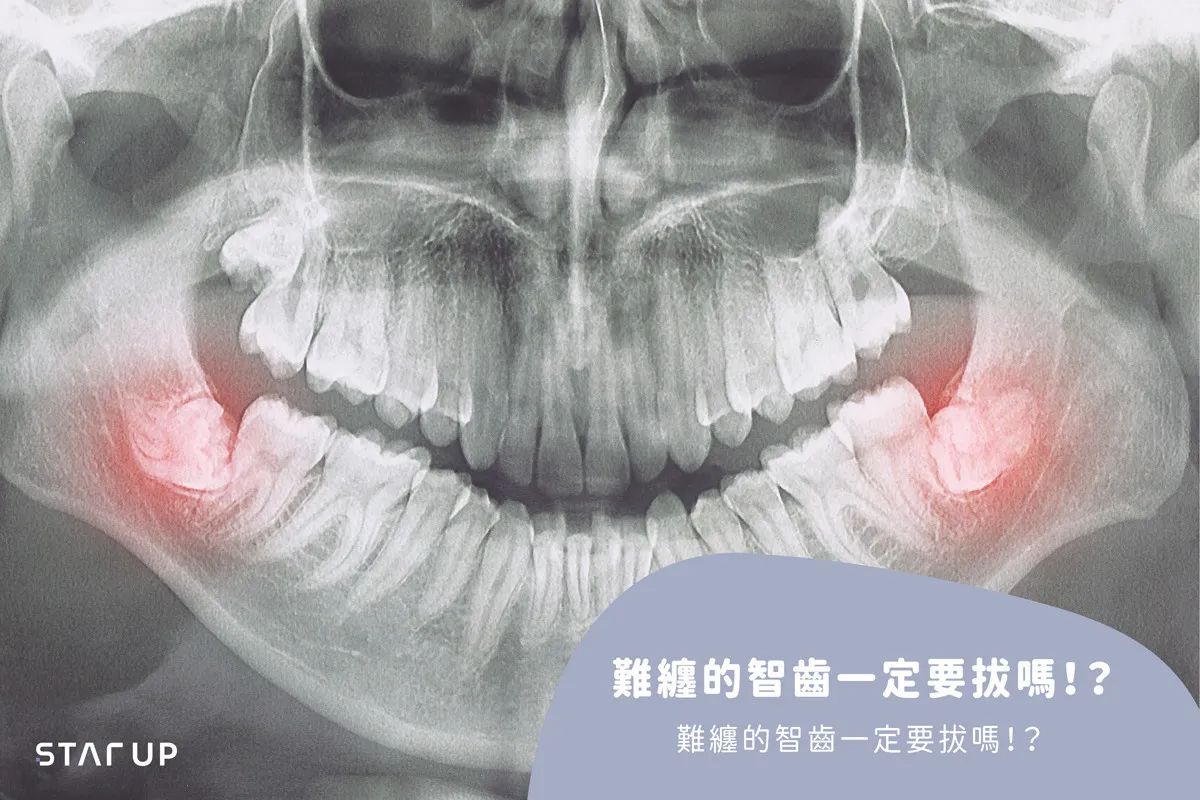
- Imaging: dental X-rays or 3D CBCT scans to spot infection around the root tips, extra canals, cracks, or unusual anatomy
What are the treatment options?
The goal is to remove infected tissue, disinfect the space, and seal the tooth to prevent reinfection.
- Root canal treatment (RCT): The first-line option for most necrotic teeth. The dentist cleans the canals, shapes them, disinfects, and seals with a biocompatible material, then places a filling. Many posterior teeth need a crown afterward for strength.
- Retreatment: If an old root canal fails, it can often be retreated.
- Apicoectomy (endodontic surgery): If infection persists at the root tip, a small surgical procedure can remove the tip and seal the end.
- Extraction: If the tooth is cracked beyond repair or the prognosis is poor, removal may be recommended. Replacement options include implant, bridge, or partial denture.
Is a root canal painful?
With proper anesthesia, most people feel only pressure and vibration. Post-op soreness for a few days is common and manageable with over-the-counter pain relievers as directed by your dentist. Modern techniques, rubber dam isolation, and enhanced irrigation make the process smoother and more comfortable than many expect.
Risks and side effects to
know
Any procedure has risks, though serious complications are uncommon:
- Temporary soreness, bite tenderness, or gum irritation
- Swelling or flare-ups if bacteria are released during cleaning
- Instrument separation or canal perforation (rare, reduced with magnification and experience)
- Persistent infection requiring retreatment or surgery
- Tooth fracture later if not properly restored with a crown when indicated
- Numbness changes near lower molars are rare; discuss anatomy and imaging
What to check before you start
A little preparation goes a long way. Ask your dentist:
- Diagnosis clarity: What shows on the X-ray or CBCT? Is the tooth cracked? How many canals?
- Provider experience: Is an endodontist recommended for complex anatomy, re-treatments, or curved roots?
- Rubber dam: Will a rubber dam be used for isolation? This is a safety and success standard.
- Anesthesia and comfort: Options for local anesthetic, and whether sedation is available if you’re anxious.
- Medical review: Discuss medications (especially blood thinners), allergies, heart conditions, diabetes, or immune issues.
- Treatment plan: Steps, number of visits, and how the tooth will be restored afterward (temporary filling, then crown).
- Success and alternatives: Expected prognosis, when extraction might be preferable, and timing considerations.
- Antibiotics: Whether they’re needed; they’re usually reserved for systemic symptoms or spreading infection, not as a stand-alone fix.
- Aftercare: Pain control plan, what to eat, and warning signs to watch for.
When is it urgent?
Contact a dentist or go to urgent care if you notice:
- Fever, chills, or feeling acutely unwell
- Rapidly spreading facial or neck swelling
- Trouble opening your mouth, swallowing, or breathing
- Eye involvement or vision changes
- Severe, escalating pain unrelieved by recommended medication
Recovery tips
- Avoid chewing on the treated side until the final restoration is placed.
- Take pain relievers as directed by your dentist.
- Use a cold compress for swelling in the first 24 hours.
- Keep the area clean; gentle brushing and saltwater rinses can help.
- Call your dentist if pain worsens after a few days, if your bite feels “high,” or if you develop fever or increasing swelling.
Can tooth necrosis be prevented?
Not always—trauma can be unpredictable—but you can lower your risk:
- Brush twice daily with fluoride toothpaste and floss daily.
- See your dentist regularly for exams and X-rays to catch decay early.
- Treat cavities and cracked teeth promptly.
- Wear a mouthguard for sports and a nightguard if you grind your teeth.
- Manage gum disease and control systemic conditions like diabetes.
- Avoid tobacco and limit sugary snacks and drinks.
Bottom line
Tooth necrosis is serious, but the treatment is usually safe and highly effective. The real danger lies in delaying care and allowing infection to spread. Confirm the diagnosis, choose a qualified provider, understand the plan, and follow through with a proper restoration. With timely, well-executed treatment, most people keep their smiles—and their peace of mind.
















