









Tooth Black Line: 6 Signs It Needs a Dentist for Patients
Noticing a thin black line along a tooth can be unsettling. Sometimes it’s just surface staining from coffee or tea; other times it signals something more serious happening under the surface. The good news: most causes are fixable, especially when you act early. Here’s how to tell when a “tooth black line” deserves a professional look and what to expect when you visit the dentist.
What a “tooth black line” might be
- Extrinsic stain: Pigments from coffee, tea, red wine, or tobacco can cling near the gumline, creating a dark rim.
- Tartar (calculus): Hardened plaque often collects where the tooth meets the gum. It can look yellow-brown to black and won’t brush off.
- Early decay: Cavities can start as dark grooves or lines, especially in pits, fissures, or along the gumline.
- Metal restorations: Old metal fillings or crowns (or a porcelain crown with a metal base) can show a dark edge when gums recede.
- Gum recession: As gums pull back, the exposed root can appear darker than enamel, sometimes read as a “black line.”
- Cracks or defects: Microcracks, enamel defects, or a leaky filling can trap stain and look like a line.
6 signs the black line needs a dentist
1) It doesn’t budge after thorough brushing and flossing
If you’ve brushed gently yet thoroughly (including along the gumline), flossed, and even tried a whitening toothpaste for a couple of weeks and the line hasn’t changed, it may be tartar or decay. Stain you can’t polish away at home often needs professional cleaning—while a line that deepens could be a cavity.
2) You feel sensitivity or pain in that area
Sensitivity to cold, hot, sweet, or even air suggests the line isn’t just superficial. It could be enamel erosion, exposed dentin, a cracked tooth, or a developing cavity. Pain on biting is another red flag that a crack or decay is present under a restoration.
3) The gum around the line bleeds, swells, or looks red
Inflamed gums that bleed when brushing or flossing point to gingivitis or early periodontal disease. A dark rim at the gumline can be tartar harboring bacteria. Left untreated, this can progress to bone loss and loose teeth. Bleeding around a specific tooth is a sign to get that area checked soon.
4) You notice bad breath or a persistent bad taste
Odor and a metallic or sour taste often accompany plaque buildup and gum inflammation. If the black line coincides with new or worsening bad breath, bacteria may be thriving under tartar or inside a leaky filling.
5) Food keeps getting stuck or floss shreds in that spot
If floss catches, shreds, or you constantly fish food from the same area, the tooth may have a rough edge, a defective filling, or a gap at a crown margin. These traps collect plaque, stain, and bacteria, turning a cosmetic issue into a dental problem.
6) The black line sits at the edge of a crown or filling
A dark margin around a crown or filling can mean gum recession exposing a metal edge, or it could signal a failing restoration allowing stain and bacteria under it. Either way, restorations with dark lines deserve a dentist’s evaluation to prevent decay beneath.
What your dentist may do
- Comprehensive
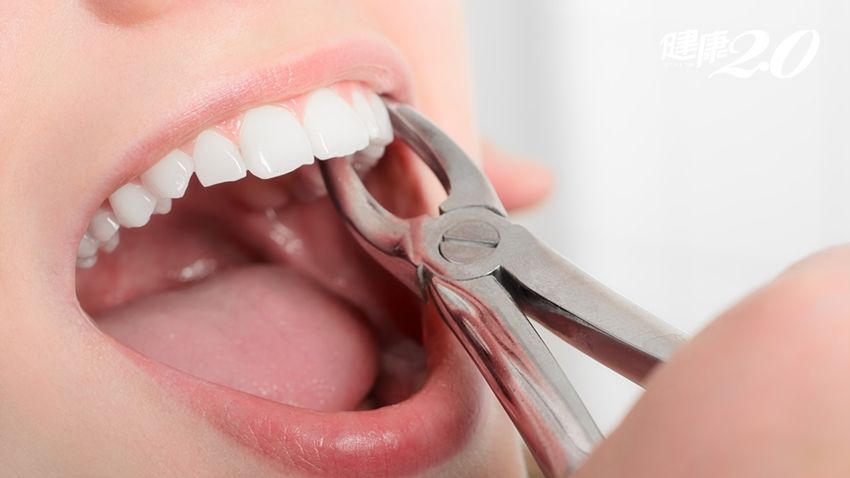
exam and imaging: Your dentist will examine the tooth, measure gum pockets, and take X-rays if needed to see under the gumline and restorations. This clarifies whether the line is stain, tartar, decay, or a restoration issue.
- Professional cleaning: Scaling and polishing remove tartar and deep stains you can’t reach at home. For gum-related cases, deeper cleaning (scaling and root planing) may be recommended.
- Repair or replace restorations: If a filling is leaking or a crown margin is exposed or defective, the dentist may repair or replace it to seal out bacteria and stop the line from returning.
- Treat decay or cracks: Early cavities can be restored with conservative fillings; deeper lesions may require more advanced care. Addressing cracks early reduces the risk of fractures.
- Cosmetic polish or whitening guidance: If the line is purely extrinsic stain, polishing, selective microabrasion, or dentist-supervised whitening may brighten the area safely.
- Gum care and sensitivity management: For recession-related lines, your dentist might suggest desensitizing agents, fluoride varnish, or in some cases, gum therapy to protect exposed roots.
How to prevent black lines from forming (or returning)
- Master the gumline: Angle your brush at 45 degrees to the gumline and use gentle, short strokes. An electric brush with a pressure sensor can help without over-scrubbing.
- Clean between teeth daily: Floss or use interdental brushes to disrupt plaque where it hides. A water flosser can be a helpful add-on if you struggle with floss.
- Choose the right toothpaste: Fluoride toothpaste strengthens enamel; whitening toothpaste can help with superficial stain. Avoid aggressive abrasives if you have sensitivity.
- Rinse wisely: An alcohol-free mouthrinse can reduce bacteria. If you’re prone to stain, ask your dentist about rinses that help limit chromogenic bacteria.
- Limit stain culprits: Coffee, tea, red wine, cola, soy sauce, and tobacco are frequent offenders. If you indulge, sip water afterward or use a straw for cold drinks. Avoid brushing immediately after acidic drinks—wait 30 minutes to protect enamel.
- Keep up with pro cleanings: Regular dental cleanings catch tartar and early issues before they become visible black lines—or bigger problems.
- Address dry mouth: Hydration, sugar-free gum, and managing medications or conditions that reduce saliva can reduce staining and decay risk.
When it’s okay to watch and wait
If the line is light, wipeable, and you have zero sensitivity, bleeding, or changes in bite, you can try two to three weeks of diligent brushing, interdental cleaning, and reducing stain-causing foods. If the line fades, it was likely superficial stain. If not—or if any symptom from the list appears—book an appointment.
Bottom line
A tooth black line is a sign worth paying attention to. Some lines are just cosmetic; others are early warnings of tartar buildup, gum disease, leaking restorations, or decay. If it doesn’t brush away, comes with sensitivity, gum changes, bad breath, food traps, or sits at a crown edge, it’s time to see a dentist. Acting early keeps treatment simple, protects your smile, and prevents small lines from becoming big problems.
















