









Gum Swelling: Harmless or Serious? – Find Out More
If your gums look puffy, feel tender, or bleed a little when you brush, you’re not alone. Gum swelling is common, and in many cases it’s temporary and easy to calm down. But sometimes it’s your body’s way of waving a red flag. The key is knowing which is which so you can act confidently and protect your oral health.
What gum swelling really means
Swelling is your gums’ response to irritation or inflammation. Plaque buildup is the most frequent trigger, but not the only one. Irritated gum tissue holds more fluid and blood, so it looks fuller, feels spongy or sore, and may bleed more easily. Mild, short-lived swelling can be harmless; persistent or severe swelling usually points to a problem that needs attention.
Common harmless triggers
- Brushing too hard or using a hard-bristled toothbrush
- Starting flossing again after a lapse (gums may protest for a few days)
- Irritation from a new retainer, aligner, or rough tooth edge
- A salty, spicy, or very hot meal that briefly irritates tissues
- Hormonal shifts, such as pregnancy or menstruation, that can make gums more reactive
- Minor canker sores near the gumline
These tend to improve within a day or two with gentle care. If your gums bounce back quickly, it’s likely not serious.
When gum swelling is a warning sign
Pay attention if you notice:
- Swelling that lasts more than 48–72 hours
- Gums that bleed easily or look dusky red/purple
- Persistent bad breath or bad taste
- Localized, throbbing pain or a pimple-like bump on the gum (possible abscess)
- Fever, facial swelling, or difficulty swallowing
- Loose teeth, receding gums, or widening spaces between teeth
- One-sided swelling around a partially erupted wisdom tooth
These signs point toward infection or advanced gum disease and warrant timely dental care.
What causes swollen gums?
- Gingivitis and periodontitis: Gingivitis is early gum disease caused by plaque along the gumline. It’s reversible with good home care and a professional cleaning. Left unchecked, it can progress to periodontitis, where the supporting bone is affected. That stage can cause persistent swelling, tenderness, and bleeding and needs professional treatment.
- Dental abscess: A trapped pocket of bacteria from a deep cavity, cracked tooth, or advanced gum disease can form an abscess. It often shows up as localized swelling, pain, and sometimes pus. This needs urgent dental care; do not try to pop it.
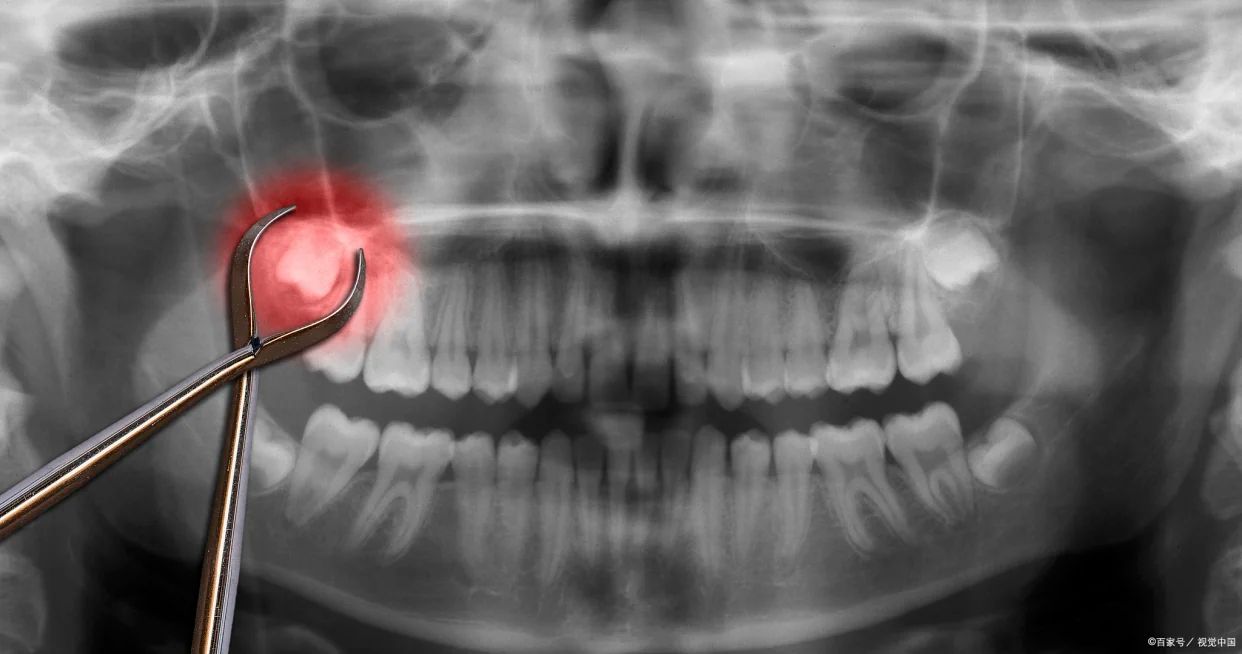
- Partially erupted or impacted wisdom teeth: Food and bacteria can get trapped around a partially emerged tooth, inflaming the surrounding gums (pericoronitis). Swelling here tends to be one-sided and sore to chew on.
- Mouth ulcers and injuries: Canker sores, cheek biting, or sharp chips can inflame nearby gum tissue.
- Medications and medical conditions: Some drugs (such as specific seizure medications, calcium channel blockers, and immunosuppressants) can cause gum overgrowth. Diabetes, dry mouth, and smoking increase gum disease risk. Vitamin C or B12 deficiency can worsen gum problems.
- Allergic or sensitivity reactions: Certain toothpastes or mouthwashes (especially those with strong flavors or sodium lauryl sulfate) can irritate sensitive gums.
A quick self-check
- Does the swelling improve after two days of gentle brushing, flossing, and saltwater rinses?
- Is the swelling generalized (ev
erywhere) or localized to one spot?
- Do you have pain, pus, fever, or facial swelling?
- Are you noticing loose teeth or gums pulling back?
If symptoms are localized, persistent, or come with pain or systemic signs, it’s time to see a dentist.
What you can do at home right now
- Clean gently but thoroughly: Brush twice daily with a soft-bristle brush and fluoride toothpaste. Angle bristles toward the gumline to sweep away plaque without scrubbing.
- Floss or use interdental brushes daily: If you’re just restarting, go slowly; a little bleeding at first can be normal and should lessen in a few days.
- Rinse with warm saltwater: Half a teaspoon of salt in a cup of warm water, swished for 30 seconds, can soothe tissues and help reduce swelling.
- Use a cold compress: Apply to the outside of your cheek for 10 minutes on, 10 minutes off to reduce puffiness.
- Stay hydrated and stimulate saliva: Dry mouth worsens irritation. Sip water and consider sugar-free gum to help saliva flow.
- Avoid irritants: Skip tobacco, alcohol-based mouthwashes, and very spicy or acidic foods until things calm down.
- Pain relief if needed: Over-the-counter pain relievers used as directed can help. Avoid placing aspirin directly on the gums, which can burn tissue.
- Don’t poke or pop: Never lance a swollen area or pimple-like bump on your gums.
When to see a dentist
- Same day: Severe pain, facial swelling, fever, difficulty swallowing, a visible abscess, or trauma
- Within 24–48 hours: Swelling that doesn’t improve, one-sided gum swelling, pus, persistent bad taste, or bleeding that continues despite gentle care
- Routine appointment: Recurrent mild swelling, gum sensitivity during pregnancy, or concerns about medication-related gum changes
What treatment may involve
- Professional cleaning: Removing plaque and tartar above and below the gumline calms inflammation.
- Scaling and root planing: A deeper cleaning for periodontitis smooths root surfaces and reduces bacterial pockets.
- Medication: Targeted antibiotics or antimicrobial rinses may be prescribed for specific infections.
- Abscess care: Draining the infection and treating the source (such as a cavity or deep pocket) provides relief.
- Bite and restoration adjustments: Fixing overhanging fillings or rough edges prevents ongoing irritation.
- Guidance on home care and risk factors: Tailored advice for flossing tools, dry mouth management, and smoking cessation supports long-term gum health.
How to prevent swollen gums
- Brush twice daily and clean between teeth every day
- Choose a soft-bristle brush and replace it every three months (or sooner if bristles fray)
- Use a fluoride toothpaste and consider an alcohol-free antimicrobial rinse if your dentist recommends it
- Eat a balanced diet rich in fruits, vegetables, and lean proteins; limit frequent sugary snacks
- Stay hydrated and manage conditions like diabetes carefully
- See your dentist regularly for checkups and cleanings
- Avoid tobacco in all forms
Bottom line
Brief, mild gum swelling happens and often eases with gentle, consistent oral care. But swelling that lingers, localizes, or comes with pain, pus, bad breath, or systemic symptoms is a sign to act sooner rather than later. Listening to your gums—and getting timely professional care when needed—can protect your smile and prevent small issues from turning into bigger problems.
















