









Systemic Diseases and Periodontitis: 3 Key Facts to Know
Most people think of gum problems as a dental issue: a little bleeding when you brush, a sore spot near a tooth, maybe a bad taste. But periodontitis—the advanced form of gum disease—doesn’t stay neatly in your mouth. It’s a chronic infection of the tissues that hold your teeth in place, and growing research connects it with broader health challenges. If you’ve ever wondered how your gums might be talking to the rest of your body, here are three essential facts to know.
Fact 1: Periodontitis is a chronic inflammatory disease that can affect the whole body
Think of your gums as the protective cuff around each tooth. When plaque—a sticky biofilm loaded with bacteria— builds up and hardens into tartar, it irritates this cuff. In gingivitis, the earliest stage, the gums get inflamed and bleed easily. Left unchecked, inflammation deepens and the gums detach from the teeth, creating pockets. These pockets trap more bacteria, and the infection can reach the bone that anchors your teeth. That’s periodontitis.
Why does that matter beyond your mouth? Because inflamed, bleeding gums provide a pathway for bacteria and inflammatory molecules to enter the bloodstream. Once there, they can interact with the immune system and blood vessels. Researchers have found associations between periodontitis and systemic conditions such as cardiovascular disease, diabetes, adverse pregnancy outcomes, certain respiratory diseases, and inflammatory autoimmune disorders. While association doesn’t always mean causation, the shared inflammatory pathways make biological sense: chronic oral inflammation can contribute to systemic inflammation, and vice versa.
Signs your gums may need attention include:
- Bleeding when brushing or flossing
- Persistent bad breath or a bad taste
- Receding gums or teeth that look longer
- Soreness when chewing
- Spaces appearing between teeth
- Loose teeth
If any of these sound familiar, a periodontal evaluation can help determine whether you’re dealing with gingivitis or periodontitis and what level of care is appropriate.
Fact 2: The oral–systemic link is two-way—your medical conditions can worsen gum disease, and gum disease can complicate medical conditions
One of the clearest examples is the relationship between diabetes and periodontitis. Elevated blood sugar can impair immune function and reduce the ability of tissues to heal, making gum infections more likely and more severe. At the same time, chronic periodontal inflammation can make it harder to control blood glucose, creating a vicious cycle. Studies have shown that effective periodontal treatment can modestly improve glycemic control in some people with diabetes, highlighting how the two conditions interact.
Cardiovascular health is another area of interest. People with periodontitis are more likely to have heart disease and stroke. Oral bacteria and inflammatory markers have been detected in atherosclerotic plaques, and gum disease has been linked with endothelial dysfunction (the lining of blood vessels not working properly). While dental treatment does not replace medical cardiac care, maintaining healthy gums reduces one more source of inflammation your heart doesn’t need.
For pregnant individuals, untreated periodontitis has been associated with higher rates of preterm birth and low birth weight. Hormonal changes during pregnancy can make gums more reactive to plaque, which is why gentle but thorough home care and professional cleanings are especially important during this time.
Other systemic links are being explored, including rheumatoid arthritis (another inflammatory condition), chronic obstructive pulmonary disease, and even cognitive decl
ine. In each case, the takeaway is the same: an inflamed mouth can amplify systemic inflammation, and systemic diseases can make gums more vulnerable.
Because the relationship runs both ways, coordinated care matters. Share your full medical history with your dentist or periodontist, including medications and recent lab results. Likewise, let your physician know if you’re being treated for periodontitis. This collaboration helps tailor your care plan, especially if you’re managing diabetes, cardiovascular disease, or a pregnancy.
Fact 3: Small daily habits and timely professional care dramatically cut your risk
The good news is that periodontitis is largely preventable—and manageable—when caught early. Consistency beats perfection. These strategies make a real difference:
- Master the basics. Brush twice daily with a soft brush for two minutes, aiming the bristles at the gumline where plaque likes to hide. Clean between teeth every day with floss, interdental brushes, or a water flosser—whichever tool you’ll use consistently.
- Use targeted helpers. Antimicrobial mouthrinses or prescription gels can help in specific situations, but they’re not a substitute for mechanical plaque removal. Your dental professional can advise what’s appropriate for you.
- Don’t ignore bleeding. Healthy gums don’t bleed. If yours do, that’s a sign of inflammation, not a signal to stop cleaning. Gentle, thorough plaque removal reduces bleeding over time.
- Schedule regular checkups. Professional cleanings remove tartar you can’t reach at home. Ask for periodontal charting (measuring pocket depths around your teeth) and, when indicated, X-rays to assess bone levels. The frequency of visits depends on your risk; many people with a history of periodontitis benefit from maintenance every three to four months.
- Manage lifestyle risks. Smoking and vaping significantly raise your risk for periodontitis and make treatment less effective. Stress, poor sleep, and highly processed diets can also nudge inflammation higher. Incremental improvements—more whole foods, better sleep routines, and stress management—add up.
- Support saliva. Saliva helps neutralize acids and wash away bacteria. If you have dry mouth due to medications or health conditions, ask about saliva substitutes, sugar-free gum, or other strategies to protect your gums and teeth.
- Align dental and medical care. If you have diabetes, aim for good glycemic control and plan dental visits when your levels are stable. If you’re pregnant, schedule a checkup early and maintain preventive care throughout. If you have heart disease, share any anticoagulant therapy with your dentist so procedures can be safely planned.
What to expect from periodontal treatment
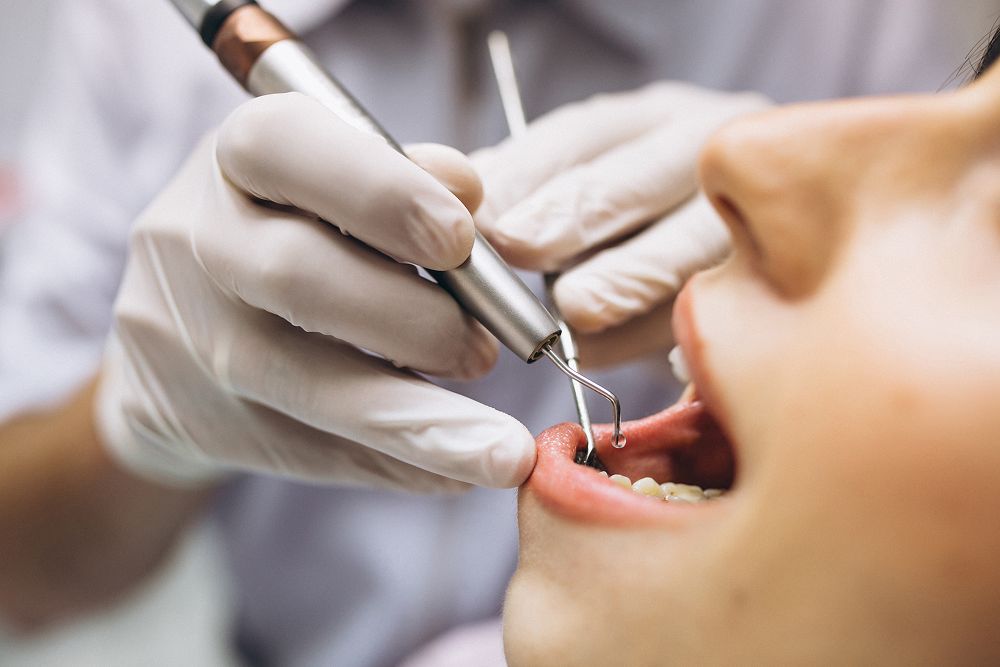
If periodontitis is diagnosed, treatment typically starts with non-surgical therapy called scaling and root planing, which removes plaque and tartar from below the gumline and smooths root surfaces so gums can reattach. You’ll get personalized home-care coaching to keep those areas clean. In moderate to advanced cases, surgical therapy may be recommended to reduce pocket depths or regenerate lost support. The most crucial phase is maintenance: regular periodontal cleanings and monitoring to prevent recurrence.
The bottom line
Your mouth is not separate from your body; it’s a gateway to it. Periodontitis is a chronic inflammatory disease that can influence, and be influenced by, systemic health. The most powerful tools are awareness, daily habits that control plaque, and timely professional care. If you see signs of gum trouble—especially bleeding, tenderness, or recession—don’t wait. Addressing gum health now protects your smile today and supports your overall well-being for years to come.
















