









Does It Reversible Pulpitis: What Matters Most? – Learn More
If you’ve ever felt a sharp, zinging pain when sipping something icy or biting into something sweet, you might wonder whether your tooth is in trouble. Often, the culprit is reversible pulpitis—a fancy way of saying the nerve inside your tooth is irritated, but not permanently damaged. The good news? With the right care, it can calm down. The key is knowing what matters most: timing, accurate diagnosis, and eliminating the cause.
What is reversible pulpitis?
Inside every tooth is the pulp—a bundle of nerves, blood vessels, and connective tissue. When this tissue becomes irritated by things like decay, cracks, or exposure of dentin (the layer beneath enamel), you can feel sensitivity or pain. In reversible pulpitis, the irritation is mild to moderate and the pulp can recover once the irritant is removed or the tooth is protected. If the irritation continues or intensifies, it can progress to irreversible pulpitis, where the nerve is inflamed beyond repair and may require root canal treatment.
How does reversible pulpitis feel?
While everyone experiences pain differently, reversible pulpitis has a few telltale signs:
- Short, sharp pain triggered by cold, sweets, or touch
- Pain that stops quickly—typically within seconds after the trigger is gone
- No spontaneous throbbing pain when you’re at rest
- Tenderness is minimal or absent
By contrast, red flags for irreversible pulpitis include pain that lingers for more than 30 seconds after a trigger, pain that wakes you up at night, spontaneous aches without a trigger, and sensitivity to heat more than cold.
Common causes you can’t ignore
Reversible pulpitis rarely appears out of nowhere. It’s a warning sign. Common causes include:
- Early tooth decay (cavities) that haven’t reached the nerve yet
- Exposed dentin from enamel wear, brushing too hard, or gum recession
- A cracked or chipped tooth allowing irritants to penetrate
- Recent dental work, such as a deep filling, which can temporarily inflame the pulp
- Acid erosion from diet or reflux, making teeth more sensitive
- Clenching or grinding, which stresses teeth and exposes sensitive areas
If you address these causes early, the pulp can often heal without further problems.
How dentists diagnose reversible pulpitis
An accurate diagnosis is essential because the treatment for reversible pulpitis is very different from that of more serious pulp problems. Your dentist may:
- Ask about your pain triggers and how long the pain lasts
- Test the tooth with a gentle blast of cold to assess the response
- Tap on the tooth (percussion) to check for other issues like inflammation around the root
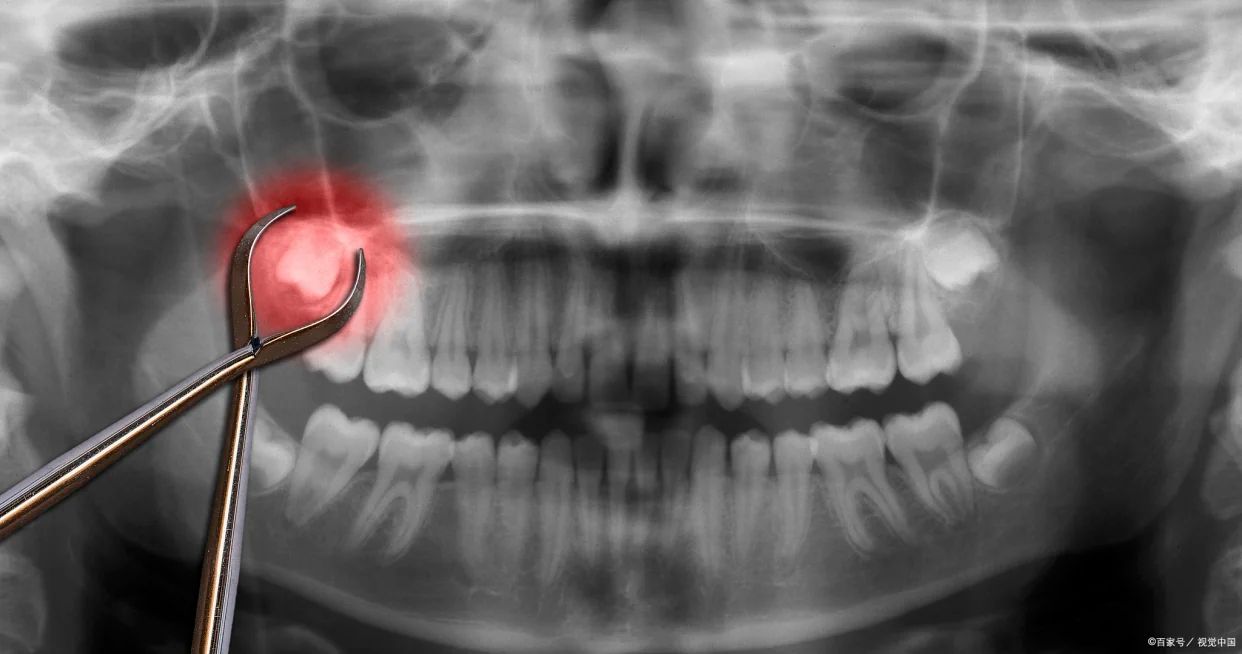
- Take X-rays to look for decay, cracks, or bone changes
- Examine your bite to see if the tooth is taking too much pressure
In reversible cases, the cold test produces a quick, sharp response that fades rapidly once the stimulus is gone.
What matters most for healing
1) Speed of action
Reversible pulpitis truly lives up to its name when you act quickly. The longer the irritant remains—like untreated decay or an open crack—the more likely the condition progresses.
2) Removing the irritant
- For decay: Cleaning out the cavity and placing a well-sealed filling can stop the irritation.
- For exposed dentin: Protective coatings, bonding, or desensitizing treatments can shield nerve endings.
- For cracks: Stabilizing the tooth with a crown or appropriate restoration helps prevent further stress.
- For gu
m recession: Addressing brushing technique, using softer brushes, and targeted dental treatments can reduce exposure.
- For grinding: A night guard can reduce stress and prevent enamel wear.
3) Quality restoration and sealing
A well-fitting restoration that seals the tooth tightly is crucial. Tiny gaps can let in bacteria and temperature changes, keeping the pulp irritated.
4) Managing inflammation gently
Short-term sensitivity after dental work can be normal. Your dentist may recommend desensitizing toothpaste, a fluoride varnish, or temporary protective materials to soothe the pulp while it heals.
5) Follow-up matters
Recheck appointments ensure symptoms are improving. If sensitivity worsens or shifts toward spontaneous, lingering pain, your dentist can intervene before the situation escalates.
What you can do at home
- Switch to a desensitizing toothpaste and use it consistently, not just occasionally.
- Brush with a soft-bristled brush and gentle pressure; aim for thorough, not aggressive.
- Cut back on acidic drinks (sodas, citrus, sports drinks) and sugary snacks. If you indulge, rinse with water afterward.
- Avoid extreme temperature foods for a bit while the tooth settles.
- If grinding is suspected, discuss a mouthguard with your dentist.
- Avoid chewing ice or biting hard objects that can crack enamel.
Prevention is powerful
Reversible pulpitis is often a sign that prevention needs a tune-up. Daily habits that help:
- Brush twice a day with a fluoride toothpaste and floss once daily.
- Visit for professional cleanings and checkups on schedule.
- Treat early cavities promptly—small problems are easier to fix and less likely to inflame the pulp.
- Mind your diet: frequent snacking, especially on sugary or acidic foods, feeds decay-causing bacteria.
- Address dry mouth, which increases cavity risk, by staying hydrated and discussing options with your dentist.
FAQs: quick answers you can trust
Is reversible pulpitis really reversible?
Yes—if the cause is addressed in time and the tooth is properly protected, the pulp can calm down and return to normal.
Can reversible pulpitis turn into something worse?
It can, especially if decay progresses, a crack deepens, or bacteria reach the pulp. That’s why early care is essential.
Do I need antibiotics?
Antibiotics are not typically indicated for reversible pulpitis because there’s no infection in the bone or soft tissues. The focus is removing irritants and protecting the pulp.
Why is cold worse than heat for reversible pulpitis?
In early irritation, cold often triggers a quick nerve response. As inflammation progresses, the pulp can react more to heat and develop lingering pain—this shift can signal worsening.
Can kids and teens get reversible pulpitis?
Yes. Early cavities, orthodontic adjustments, and diet can all play a role. The same principles apply: remove the cause and protect the tooth.
When to call a dentist
If your pain lasts more than a few seconds after cold, wakes you up at night, starts spontaneously, or you notice swelling, it’s time to be seen promptly. Even if your pain seems minor, getting it checked can prevent a simple, reversible problem from turning into a more complex one.
Bottom line
Reversible pulpitis is your tooth’s way of saying something’s not quite right—but it’s also an opportunity. Act quickly, fix the cause, protect the tooth, and follow through. With timely care and smart habits, you can turn a sharp twinge today into a healthy, comfortable smile tomorrow.
















