









How to Get Rid of Black Gums? A Short Guide for Patients
Noticing that your gums look black or darker than usual can be unsettling. The good news is that dark gums are often harmless and, for many people, completely normal. Still, changes in gum color can sometimes signal a problem that deserves attention. This short, patient-friendly guide explains common causes of black gums, when to seek care, and the safe options available to restore a lighter, more even gum tone.
What causes black or dark gums?
- Natural pigmentation: Just like skin, gums contain melanin. People with darker skin tones commonly have naturally brown or black gums. This is not a disease and doesn’t require treatment unless you want a cosmetic change.
- Smoking: Tobacco can increase melanin in the gums, causing a brown or black appearance called smoker’s melanosis. The pigmentation often fades after quitting.
- Old silver fillings: Tiny metal particles from amalgam fillings can embed in nearby gum tissue, leaving a localized blue-gray spot known as an amalgam tattoo. It’s benign but may be noticeable.
- Gum disease: Inflammation from gingivitis or periodontitis can make gums look red-purple, dusky, or darker, often with swelling, tenderness, and bleeding.
- Medications and hormonal changes: Some drugs and hormonal shifts can alter pigmentation. This is less common but possible.
- Trauma or irritation: Lip or tongue piercings, orthodontic appliances, or repetitive rubbing can leave dark spots in healing tissue.
- Rare systemic conditions: Certain medical conditions can affect gum color. If discoloration is new, spreading, or accompanied by other symptoms, get a professional evaluation.
Are black gums dangerous?
Often they are not. Natural melanin and amalgam tattoos are benign. However, you should schedule a dental exam if the discoloration:
- Appears suddenly or changes rapidly
- Affects only one area or one side
- Comes with pain, bleeding, swelling, loose teeth, bad breath, or ulcers
- Occurs after a new medication or tobacco use
- Is accompanied by changes in skin or nails
A dentist or periodontist can determine the cause and recommend the most appropriate care.
Can you lighten black gums at home?
There is no safe home bleaching method for gums. Do not apply skin-lightening products, peroxide gels, or abrasive scrubs to gum tissue. However, home care can improve overall gum health and reduce dark-red discoloration from inflammation:
- Brush twice daily with a soft toothbrush and fluoride toothpaste
- Clean between teeth daily with floss or interdental brushes
- Use an alcohol-free antimicrobial rinse if your dentist recommends it
- Quit smoking and avoid vaping
- Eat a balanced diet and manage stress
Professional treatments that can help
The right approach depends on the cause.
- Treat gum disease first: If inflammation is present, your dentist may recommend professional cleanings and deep cleaning (scaling and root planing), along with improved home care. As gums heal, their color often looks naturally healthier and lighter.
- Stop tobacco: Quitting smoking can gradually reduce smoker’s melanosis and greatly improves gum health.
- Amalgam tattoo management: These spo
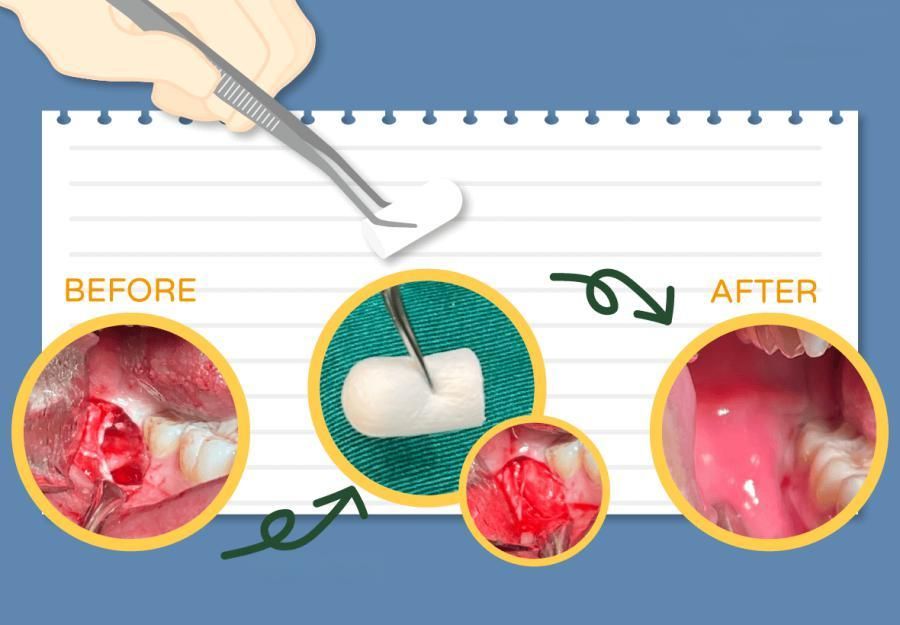
ts are harmless. If you dislike the appearance, options include removing the stained gum tissue or, in select cases, replacing the adjacent filling and cleaning the area. Your dentist will weigh benefits and risks.
- Gum depigmentation (gingival depigmentation): For people with naturally dark gums who want a lighter appearance, dentists can remove surface pigment cells to reveal pinker tissue. Methods include:
- Laser therapy: Precisely removes the top pigmented layer with minimal bleeding and quick healing.
- Scalpel technique or bur abrasion: Gently scrapes or polishes away the pigmented surface.
- Cryotherapy: Applies cold to destroy pigment cells.
These procedures are typically done under local anesthesia, often in one visit per area. Results appear in one to two weeks and can last years. Some repigmentation can happen over time, especially for smokers or those with strong natural melanin.
What to expect during a depigmentation visit
- Consultation and exam: Your dentist confirms the cause of dark gums, reviews your health history, and discusses goals.
- Planning and photos: Baseline photos help plan the treatment zone and track results.
- Numbing: Local anesthetic keeps you comfortable.
- Procedure: Usually 20–60 minutes, depending on the area and method.
- Aftercare: You may receive instructions to avoid spicy or very hot foods for a few days, brush gently with a soft brush, and use a prescribed rinse. Mild soreness and a temporary white film on the gums are normal during healing.
Possible risks and downsides
- Temporary tenderness or sensitivity
- Uneven color if pigment is patchy
- Recurrence of pigmentation over months or years
- Rarely, delayed healing or infection
Choosing an experienced clinician and following aftercare directions helps minimize these risks.
Prevention and maintenance tips
- Quit smoking or vaping and avoid secondhand smoke
- Maintain excellent daily oral hygiene
- See your dentist regularly for cleanings and checkups
- Wear a mouthguard if you grind your teeth and avoid gum trauma
- Discuss medication side effects with your physician if you notice new pigmentation
Frequently asked questions
- Are dark gums normal? Yes. In many healthy people, dark or mottled gums reflect natural melanin and are not a cause for concern.
- Will laser work better than other methods? Both laser and non-laser techniques can be effective. The best choice depends on your anatomy and the clinician’s skill.
- Can whitening toothpaste or charcoal lighten gums? No. These products affect teeth, not gum melanin. Some abrasive products can even irritate gums.
- Do results last forever? Results can be long-lasting but not always permanent. Maintenance habits—especially avoiding tobacco—help prolong the outcome.
Bottom line
Black or dark gums have many causes. Most are harmless, and several are highly treatable. If the color change is new, uneven, or accompanied by symptoms, book a dental exam. If your gums are naturally dark and you want a lighter look, ask a qualified dentist about gum depigmentation and whether you’re a good candidate. With the right diagnosis and care, you can improve both your gum health and your smile’s appearance.
















