









Why Do Root Canals Take 2 Visits? What to Expect on Day One
If your dentist or endodontist has recommended a root canal, you might be wondering why it often takes two appointments. Isn’t it just cleaning out a tooth and sealing it up? In many cases, a two-visit approach isn’t about making things complicated—it’s about giving your tooth the best chance to heal properly and last for years. Here’s a clear, friendly guide to why two visits are common and exactly what you can expect on day one.
Why many root canals are done in two visits
Root canals can sometimes be completed in a single visit, especially when the tooth is straightforward and not infected. But there are very good reasons your clinician may recommend two appointments:
- Infection control: If a tooth is infected or has an abscess, placing a temporary medicated dressing inside the canals between appointments gives the medication time to work. This helps reduce bacteria and inflammation before the canals are permanently sealed.
- Complex anatomy: Some teeth—especially molars—have curved or multiple canals. Carefully cleaning and shaping them can take time. Splitting the procedure allows your dentist to be meticulous without rushing.
- Dryness matters: For the final seal to be successful, canals need to be clean and dry. If the tooth is still weeping fluid or bleeding on day one, a second visit lets tissues calm down so a better seal can be achieved.
- Symptom monitoring: Leaving a medicated dressing and a temporary filling gives your provider a chance to see how your tooth responds. If pain decreases and tissues look healthier at visit two, it’s a good sign the infection is under control.
- Restorative planning: Many root canal-treated teeth need a crown for long-term strength. Two visits let your dentist finalize plans—sometimes coordinating with a lab—so the tooth can be properly restored after the root canal is sealed.
- Patient comfort: Long procedures can be tiring. Breaking it into two manageable sessions helps many patients stay comfortable and reduces jaw fatigue.
It’s worth noting: single-visit root canals are common and appropriate in many cases. Your provider will choose the approach that best fits your tooth’s condition and your overall health.
What to expect on day one
Knowing the steps can make day one easier. Here’s how the appointment typically unfolds:
- Consultation and imaging: You’ll start with X-rays and an examination. Your dentist or endodontist will confirm the diagnosis, explain the plan, and answer questions. If you’ve had pain, they’ll ask about your symptoms and any medications you’re taking.
- Numbing the tooth: Local anesthetic fully numbs the area, so you should feel pressure but not pain. If you’re nervous, let your provider know—they can adjust the pace and offer comfort options.
- Isolation with a rubber dam: A small sheet (rubber dam) is placed around the tooth. This keeps the area clean and dry and prevents irrigating solutions from getting in your mouth.
- Access opening: A tiny opening is made in the top of the tooth to reach the pulp chamber and canals.
- Cleaning and shaping: Small instruments and antibacterial irrigants are used to remove inflamed or infected tissue and shape the canals. This step is methodical; your provider may take additional X-rays or use a
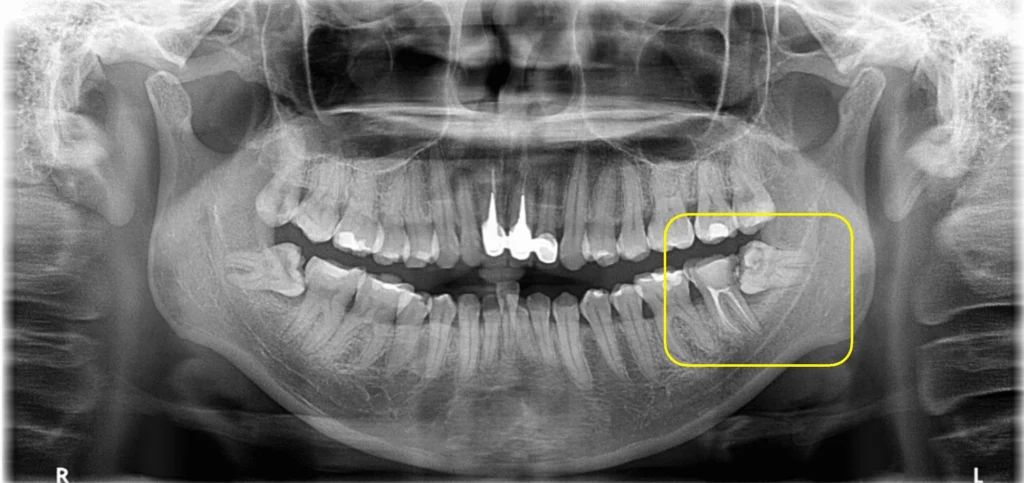
microscope or other tools to locate all canals.
- Medication placement: If the tooth has signs of infection or if conditions aren’t ideal for sealing yet, a medicated material may be placed inside the canals to disinfect between visits.
- Temporary filling: The access opening is sealed with a temporary filling to protect the tooth. Your dentist may adjust your bite to reduce pressure on the tooth while it heals.
- Post-op instructions: You’ll get guidance on what to expect, how to manage tenderness, and when to return for visit two. Most first appointments take about 60 to 90 minutes, depending on the tooth and complexity.
How you’ll feel after day one
- Numbness: Your lip, cheek, or tongue may feel numb for a few hours. Avoid chewing until sensation returns to prevent biting yourself.
- Soreness: It’s common to have mild tenderness, especially when biting, for a day or two. Over-the-counter pain relievers as directed by your provider usually manage this well.
- Chewing: Try to chew on the opposite side and avoid hard or sticky foods until the final restoration is placed. The temporary filling is protective but not as strong as a permanent crown or filling.
- Sensitivity: You may notice slight sensitivity to pressure. Significant swelling, severe pain, or a feeling that your bite is off are reasons to call your dentist for an adjustment or advice.
What happens at the second visit
At the follow-up, your provider will check your symptoms, confirm the canals are dry and calm, and then:
- Remove the temporary dressing and re-clean as needed
- Fill the canals with a biocompatible material to seal them
- Place a new temporary or a permanent core filling
- Discuss or begin the process for a crown if recommended
Sealing the canals when the tooth is quiet and dry improves the long-term success of the root canal.
Common questions about two-visit root canals
- Will I need antibiotics? Not always. Many root canal infections are effectively treated by cleaning and disinfecting the canals. Antibiotics may be used in certain cases with systemic symptoms or significant swelling. Follow your dentist’s guidance.
- Can I go back to work after day one? Most people can return to normal activities the same day. If your appointment was long or you feel tired, you might prefer to rest afterward.
- Do root canals hurt? With modern anesthesia and techniques, patients typically report pressure rather than pain during treatment. Post-appointment soreness is usually manageable and short-lived.
Tips to make day one smoother
- Eat a light meal before your appointment so you’re comfortable (unless your dentist advises otherwise).
- Take any recommended medications as directed.
- Bring music or podcasts—many patients find it relaxing during longer visits.
- Share concerns with your provider. If something feels uncomfortable, they can adjust the approach.
The bottom line
Two-visit root canals aren’t about dragging out care—they’re about precision, infection control, and giving your tooth the best outcome. On day one, the focus is cleaning, calming, and protecting the tooth so it’s ready for a durable seal on visit two. With the right plan and clear expectations, most patients find the process far easier than they imagined and are relieved to be on the path to a pain-free, healthy smile.
















