









Face Swelling After Root Canal: Should You See a Dentist?
If you’ve just had a root canal and noticed your face starting to swell, you’re not alone—and you’re not overreacting. Some post-treatment swelling can be part of the normal healing process, but it can also signal that something needs attention. Knowing the difference can save you discomfort and help you heal faster. Here’s what to expect, what’s normal, and when it’s time to call your dentist.
Why Does Face Swelling Happen After a Root Canal?
A root canal treats infection inside a tooth by clearing bacteria and sealing the canals. Even when the procedure goes perfectly, your body still has to process inflammation from the infection and the treatment itself. Common reasons for post-root-canal swelling include:
- Normal inflammatory response: Your immune system shows up to clean up damaged tissue and bacteria, which can create mild localized swelling for a day or two.
- Remaining bacteria or reinfection: If an infection was advanced or if bacteria persist around the tooth’s root, swelling may develop or worsen after treatment.
- High bite or trauma: If the treated tooth is slightly “high” when you bite, it can inflame the tissues around the tooth and lead to swelling and soreness.
- Temporary seal issues: A leaking temporary filling or crown can allow bacteria back in, irritating the tissues and causing facial swelling.
What’s Normal and What’s Not?
It helps to think in timelines.
Normal
- Mild puffiness or tenderness near the treated tooth for 24 to 48 hours
- Soreness when chewing, improving each day
- Slight jaw stiffness that loosens up
Not Normal (and a reason to call your dentist)
- Swelling that increases after the first 48 hours or spreads across the face
- Significant pain that isn’t improving or is waking you at night
- Fever, chills, or feeling generally unwell
- A bad taste in your mouth, drainage of pus, or a foul smell
- Redness spreading across the skin or warmth over the area
- Trouble opening your mouth, swallowing, or breathing
- Swelling around the eye or down the neck
If you notice any of the “not normal” signs, especially fever, difficulty swallowing, or rapidly spreading swelling, contact your dentist right away. If you have trouble breathing or swallowing, seek emergency care immediately.
When Should You See a Dentist?
Short answer: if you’re unsure, call. It’s better to get professional reassurance than to wait. Specific triggers to schedule a visit include:
- Swelling that’s not improving 48 hours after the procedure
- Worsening pain or swelling at any time
- New lumps, spreading redness, or drainage
- Fever or malaise
- A bite that feels off or a temporary filling that feels loose
Your dental team can determine whether what you’re feeling is part of normal healing or if you need additional treatment, medication, or an adjustment to your bite.
What Your Dentist May Do
At a follow-up visit, your dentist or endodontist may:
- Examine your bite and adjust the treated tooth to reduce pressure
- Check the temporary filling or crown for leaks
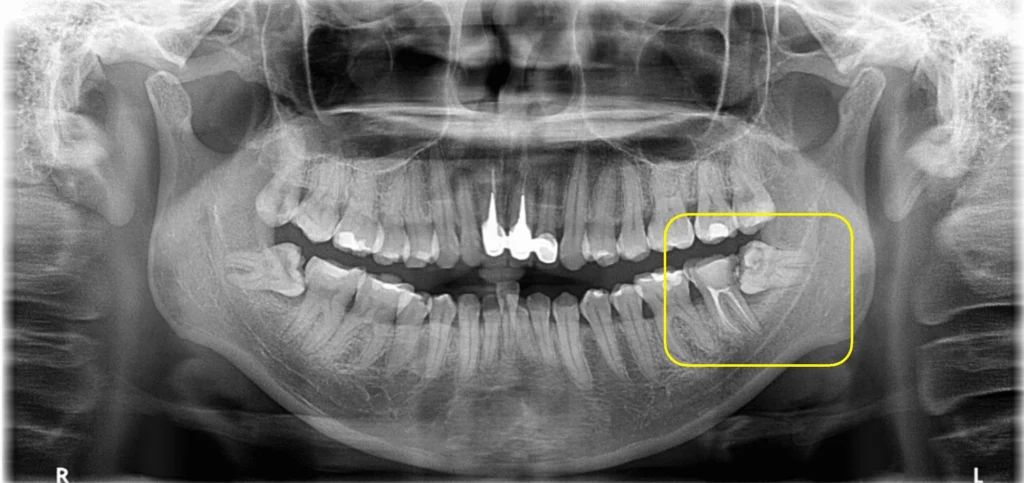
- Take an X-ray to assess the area around the root
- Drain any trapped fluid or infection to relieve pressure
- Prescribe or adjust antibiotics if an infection is present
- Recommend anti-inflammatory medications or a short course of ster
oids in specific cases
- Refer you to a specialist if retreatment or additional procedures are needed
Home Care Tips to Reduce Swelling and Discomfort
While you’re monitoring symptoms, these simple steps can help you stay comfortable and support healing:
- Cold compress: Apply a cold pack or wrapped ice to the cheek for 10–15 minutes at a time with breaks in between for the first 24–36 hours. This helps limit swelling and numbs soreness.
- Elevation: Keep your head elevated when resting or sleeping to reduce fluid pooling.
- Gentle rinses: After 24 hours, warm saltwater rinses (half a teaspoon of salt in a cup of warm water) a few times a day can soothe tissues. Avoid vigorous swishing.
- Pain relief: Over-the-counter pain relievers as directed can help manage inflammation and discomfort. If your dentist prescribed medication, take it exactly as directed and finish the full course.
- Soft foods: Stick to soft, cool or room-temperature foods for a couple of days. Avoid chewing on the treated side.
- Avoid heat and irritants: Skip hot compresses for the first two days, and avoid alcohol and tobacco, which can slow healing.
- Keep the area clean: Brush and floss gently, taking care around the treated tooth.
What to Avoid
- Don’t apply heat early on, as it can increase swelling.
- Don’t ignore worsening symptoms or a fever.
- Don’t stop antibiotics early if they were prescribed, even if you feel better.
- Don’t engage in heavy exercise during the first 24–48 hours; it can increase blood flow and swelling.
How Long Should Swelling Last?
In many cases, mild facial swelling peaks within the first 24 hours and begins to improve by 48 hours, with steady progress after that. Most people feel significantly better by day three or four. If your swelling isn’t moving in the right direction after two days—or if it suddenly worsens—contact your dentist.
Can Face Swelling After a Root Canal Be Prevented?
Not all swelling can be prevented, especially if the original infection was severe. However, you can lower your risk:
- Complete all recommended treatment, including final crown placement, to seal the tooth properly.
- Follow post-procedure instructions closely, including medication schedules.
- Return if your bite feels high; even a small adjustment can help.
- Maintain good oral hygiene and regular checkups to reduce risk of reinfection.
- Avoid chewing hard foods on the treated tooth until your dentist gives the all-clear.
Is It an Emergency?
Facial swelling related to dental issues can sometimes become serious. Seek urgent or emergency care if you notice:
- Difficulty breathing or swallowing
- Rapidly spreading swelling toward the eye or down the neck
- High fever or chills
- Severe trismus (you can’t open your mouth)
Prompt care protects your airway and helps prevent complications.
Bottom Line
Face swelling after a root canal isn’t always a sign that something went wrong. Mild swelling and tenderness for a day or two can be part of normal healing. But if the swelling is significant, getting worse, or paired with fever, bad taste, or trouble swallowing, it’s important to see your dentist promptly. A quick check can identify whether you need a bite adjustment, drainage, or medication—and the sooner the cause is addressed, the sooner you’ll feel like yourself again.
















