









In Between Teeth Black: How It Gets Treated, Step by Step
Noticing a dark shadow or even a solid black line between your teeth can be unsettling. The good news: most causes are fixable, and the path to a cleaner, brighter smile is straightforward once you know what you’re dealing with. Below, you’ll find what causes the black look between teeth and exactly how dentists treat it, step by step.
What causes black between teeth
- Surface stains: Coffee, tea, red wine, tobacco, and some mouthwashes can leave pigment that collects where teeth touch. These are usually extrinsic (on the surface) and polish away.
- Tartar (calculus): Plaque that hardens picks up pigment and appears dark, especially near the gumline and between teeth. Tartar cannot be brushed off at home.
- Cavities (interproximal decay): A cavity that starts between teeth can look like a gray or black shadow on the side of a tooth. This needs filling, not whitening.
- Black triangles: When gums recede or teeth shift, the papilla (the gum peak between teeth) pulls back, creating a triangular dark space. It’s not dirt—it’s an open space that reveals darkness from your mouth behind your teeth.
- Old dental work: Leaky or stained margins around fillings or crowns can create a dark edge between teeth.
The treatment game plan, step by step
1) Diagnosis and mapping
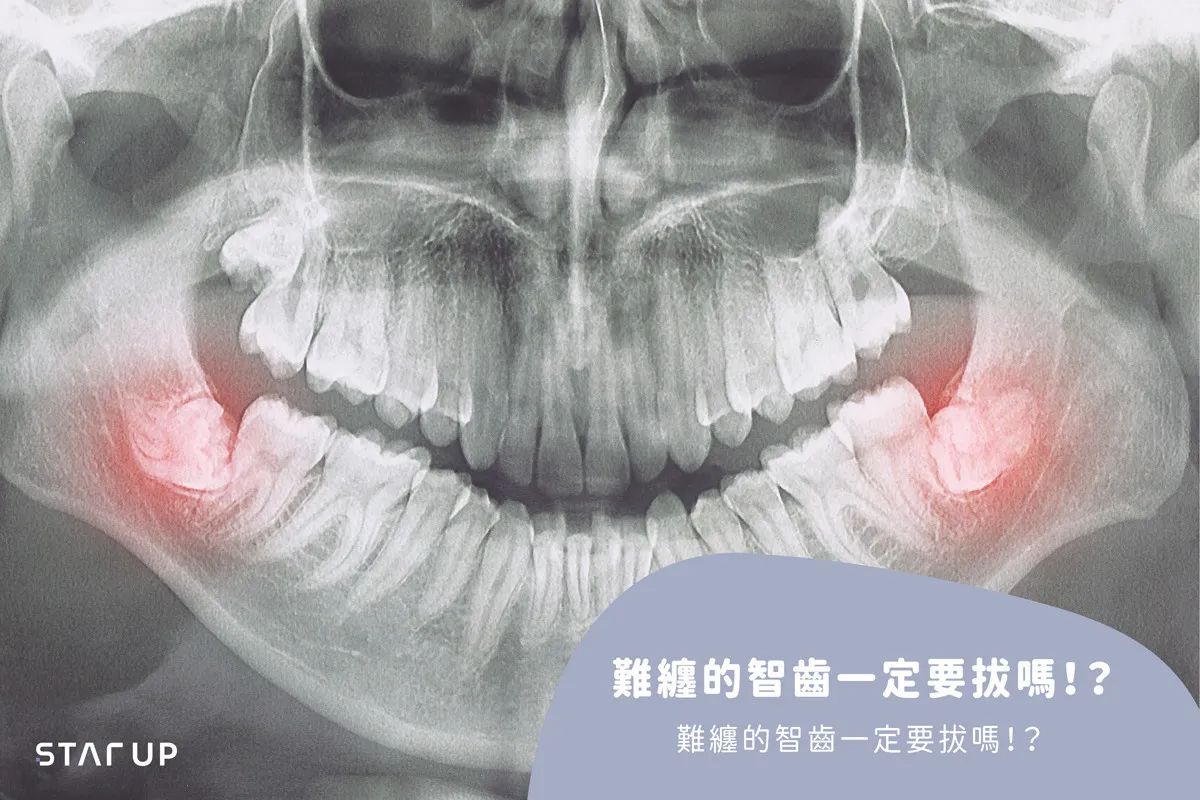
Your dentist starts with a visual exam and gentle gum measurements to check for inflammation and recession. Bitewing X‑rays are often taken to spot hidden cavities between teeth and to assess bone levels. Photos help document baseline shade and shape. This step is about separating simple stain from tartar, decay, or a true black triangle.
2) Clean up the surface first
No matter the cause, professional cleaning is the first move. The hygienist removes soft plaque and hardened tartar with ultrasonic and hand instruments. Air polishing or fine polishing paste lifts surface stains in tight contact points. Often, just this step dramatically lightens or completely eliminates the black appearance if it’s stain or pigmented tartar.
3) Treat active disease
- If there’s gum disease: Deep cleaning (scaling and root planing) is performed under local anesthesia to clean below the gumline and smooth the roots. This reduces inflammation, tightens the gum, and can slightly reduce the size of dark spaces over time.
- If there’s a cavity: The dentist removes decay from the interproximal area and restores the tooth with a tooth-colored filling, achieving a natural contour that closes or masks the dark gap. For very early lesions, resin infiltration may be used to reinforce and blend the area without drilling.
4) Correct color, then shape
If the dark look is residual stain after cleaning, at-home or in-office whitening can brighten tooth shade so the contact area looks lighter. Whitening works best after gums are healthy and tartar is gone. Microabrasion can be used for superficial, tenacious brown lines, though it’s not a cure for tartar or decay.
5) Close black triangles thoughtfully
If the darkness is due to a true black triangle (gum recession or tooth shape), the dentist focuses on reshaping tooth contours to support the gum and reduce the visible void:
- Composite bonding: Adding small amounts of bonded resin to the inner edges of adjacent teeth can narrow the triangle and soften the shadow. This is conservative, often completed in a single visit
, and reversible.
- Orthodontics: Aligning teeth, changing their contact point location, and slightly rotating them can move contact areas closer to the gum peak, reducing the triangle. This is ideal when crowding or spacing is also present.
- Veneers or minimal-prep restorations: Custom porcelain can change tooth shape and contact geometry for a longer-lasting aesthetic fix when bonding alone isn’t enough.
- Gum-focused options: In select cases, papilla augmentation or regenerative periodontal procedures may improve the soft tissue fill. Suitability depends on bone support, tooth anatomy, and the size of the gap.
6) Finish, polish, and protect
Once stain is removed, disease treated, and space managed, your dentist polishes restorations and enamel to a high luster. You’ll receive tailored home-care tools (like specific interdental brushes or floss threaders) and guidance to keep the area clean and stain-free.
What you can do at home to prevent it coming back
- Floss daily or use interdental brushes: Pick the size that fits snugly without forcing. A water flosser can help, especially around bridges or crowded areas.
- Brush twice daily with a soft brush: Use gentle pressure and a low-abrasive fluoride toothpaste to protect enamel and root surfaces.
- Target stain habits: Rinse with water after coffee, tea, or wine; limit tobacco; consider using a straw for dark beverages.
- Mind your alignment: If food traps or gaps persist, ask about orthodontic options that make cleaning easier and reduce triangle formation.
- Keep consistent checkups: Professional cleanings remove tartar you can’t reach and catch early decay before it shows as a black shadow.
Timeline and comfort
- Cleaning and stain removal: Typically one visit; immediate visual improvement.
- Deep cleaning: May require one to two sessions with numbing; mild soreness for a day or two.
- Fillings or resin infiltration: Usually one visit; minimal downtime.
- Bonding for black triangles: Often completed in one visit; subtle adjustment over the next days as your tongue adapts.
- Whitening: In-office brightens in a day; at-home kits take one to two weeks. Temporary sensitivity is common but manageable.
- Orthodontics or advanced gum procedures: These take longer and are best planned as part of a comprehensive smile strategy.
Common myths to skip
- “Whitening will solve everything.” Whitening doesn’t remove tartar or close triangles; it only lightens the tooth color.
- “Charcoal or scrapers at home are fine.” Abrasive pastes and DIY scraping can damage enamel and gums. Leave tartar removal to professionals.
- “It will go away on its own.” Stain can return quickly, and decay or gum disease progresses silently. Early care is easier and more conservative.
When to see a dentist urgently
- Persistent bleeding gums or swelling
- Toothache, sensitivity to sweets, or pain when biting
- A visible hole or food packing between teeth
- Bad breath or a foul taste that doesn’t improve with brushing
- A tooth that feels loose or a sudden change in your bite
The bottom line
Black between teeth is a symptom, not a sentence. Once a dentist identifies the cause—stain, tartar, decay, or a true black triangle—the fix follows a clear, stepwise plan: clean, treat disease, refine color, and adjust shape. With professional care and a tuned-up home routine, you can keep those spaces clean, healthy, and confidently bright.
















