









Inflamed Dental Pulp: How a Visit Works, Start to Finish
Tooth pain that throbs, spikes with hot or cold drinks, or wakes you up at night is often a sign of inflamed dental pulp—known as pulpitis. The pulp sits at the center of your tooth, housing nerves and blood vessels. When decay, cracks, or trauma breach the outer layers, the pulp can become inflamed and irritated, leading to sensitivity and pain. If you’re wondering what actually happens when you see a dentist for inflamed dental pulp, here’s a clear, step-by-step look at the visit from start to finish, so you can feel prepared and in control.
What Inflamed Dental Pulp Feels Like
People often describe pulp inflammation as sharp pain with cold or sweet foods, lingering sensitivity after eating, or pressure pain when chewing. Sometimes the pain starts only with specific triggers; other times it can be spontaneous and severe. You might notice swelling in the gums, a dark spot on the tooth, or discomfort that radiates to the jaw or ear. Even if the pain fades on its own, the underlying cause may still be progressing, so it’s smart to book a dental visit promptly.
Booking and Pre-Visit Triage
When you call the clinic, the team will ask about your symptoms, how long they’ve been happening, and whether you have fever, facial swelling, or trouble swallowing—signs that need faster attention. They’ll schedule a visit as soon as possible and advise you on simple measures to reduce discomfort, such as avoiding very hot or cold foods and taking over-the-counter pain relief as directed.
Arrival and Intake
At your appointment, you’ll fill out a brief medical history, including any medications, allergies, and past dental work. This matters because inflammation can be influenced by systemic health, and certain treatments or anesthetics need to be tailored to you. The dentist or hygienist will review your symptoms, where the pain is located, what triggers it, and whether it lingers after the stimulus is gone.
Clinical Exam
The dentist visually examines the tooth and surrounding gums, looking for decay, fractures, worn enamel, or signs of infection. You may hear about tests like:
- Percussion: gentle taps on the tooth to assess inflammation around the root.
- Palpation: checking the gum tissue for tenderness.
- Cold or heat testing: using controlled temperature to gauge nerve response and whether pain lingers.
- Bite test: asking you to chew on a small stick to pinpoint a cracked cusp.
Radiographs (X-rays)
Dental X-rays are a key part of diagnosing pulp problems. They can reveal deep decay, bone changes near the root, and the shape of the canals. In some cases, the dentist may use a 3D scan for complex anatomy or previously treated teeth. Imaging helps distinguish reversible pulpitis (where inflammation may settle with conservative treatment) from irreversible pulpitis (where the pulp cannot heal on its own).
Diagnosis Explained
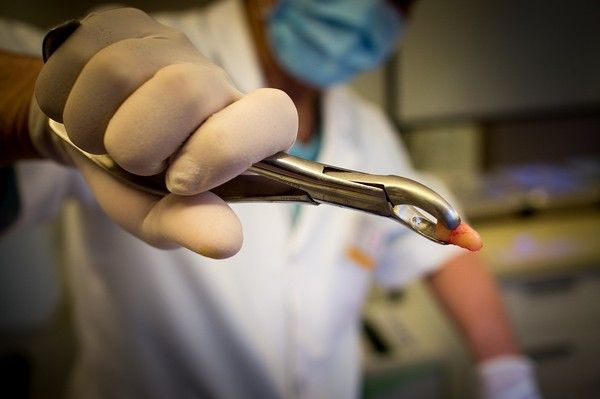
Your dentist will explain whether your dental pulp is inflamed but still viable or whether the nerve tissue is irreversibly damaged. In reversible cases, removing the source of irritation—like a cavity—and placing a restoration may relieve symptoms. In irreversible cases, the standard treatment is root canal therapy to remove inflamed tissue, disinfect the canals, and preserve the tooth. If the tooth is cracked below the gumline or severely compromised, extraction may be discussed, but saving the tooth is often possible.
Pain Management and Numbing
Bef
ore any procedure, local anesthesia is used to numb the area thoroughly. If your tooth is very inflamed, numbing can take a bit more time, and the dentist may use supplemental techniques to ensure you stay comfortable. Let the team know if you’re anxious; many clinics offer calming measures and explain each step so there are no surprises.
Treating Inflamed Dental Pulp
For reversible pulpitis:
- The dentist removes decay, cleans the cavity, and places a filling. If the decay is near the pulp, a protective liner may be placed to shield it and encourage healing.
- The tooth is then tested again to ensure sensitivity settles over time.
For irreversible pulpitis:
- Root canal therapy is performed, often by a general dentist or an endodontist (a specialist in root canals).
- After isolating the tooth with a rubber dam to keep it dry and clean, the dentist opens the tooth to access the pulp chamber, removes inflamed tissue, and shapes and disinfects the canals.
- The canals are sealed, and a temporary or permanent filling is placed. Many teeth will later need a crown to restore strength and function, especially molars or teeth with large cavities.
What If There’s an Infection?
If the pulp inflammation has progressed to an abscess, you may have swelling or a pimple-like bump on the gums. Root canal therapy still addresses the source, and in some cases the dentist may drain the area. Antibiotics are reserved for specific situations such as facial swelling or systemic symptoms; they complement but do not replace definitive dental treatment.
Duration and Number of Visits
A straightforward case can often be treated in one visit. More complex anatomy, long-standing infections, or previously treated teeth may require multiple appointments. Your dentist will outline the expected timeline based on your exam and imaging.
Aftercare and Recovery
Once the anesthesia wears off, mild soreness in the tooth or jaw is common and usually manageable with over-the-counter pain relief as directed. Avoid chewing hard foods on the treated tooth until your final restoration is placed. Keep up with gentle brushing and flossing, and use any recommended rinses. If pain worsens, swelling develops, or your bite feels high, contact the office—small adjustments can make a big difference in comfort.
Follow-Up and Final Restoration
If you had a root canal, a final crown or onlay may be recommended to protect the tooth from fracture. This step is important for long-term success, especially for back teeth that absorb heavy chewing forces. Your dentist will schedule a follow-up to ensure the tooth is stable and symptoms have resolved.
Prevention Tips
- Brush twice daily with fluoride toothpaste and floss once a day to prevent decay.
- Address grinding or clenching with a night guard to reduce cracks and wear.
- See your dentist for regular checkups and cleanings; small cavities are easier to treat before they reach the pulp.
- Be cautious with very hard foods and avoid using teeth to open packages.
A Calm, Clear Path Forward
Inflamed dental pulp can be disruptive, but a dental visit follows a straightforward path: identify the cause, relieve pain, and protect the tooth. With modern diagnostics, effective anesthesia, and conservative techniques, most people find the experience far more comfortable than they expected. The earlier you seek care, the more options you’ll have—and the better your chances of saving the tooth and getting back to a pain-free routine.
















