



Invisalign Cost Vietnam vs. China: Genuine Align Tech & Remote Progress Checks for Kiwis
Thinking about starting Invisalign overseas to keep costs in check without cutting corners? Many Kiwis compare Vietnam and China because both offer established Invisalign providers, fast appointment availability, and the possibility to manage most progress checks remotely once you’re back home. The key is knowing how to ensure you’re getting genuine Align Technology treatment and how to set up a seamless follow‑up plan.
Why “genuine Align Tech” matters
“Invisalign” isn’t a generic term for clear aligners—it’s a specific system manufactured by Align Technology using proprietary materials, software (ClinCheck), and quality controls. When you choose genuine Invisalign, you get:
- A digital planning workflow (ClinCheck) overseen by a trained dentist or orthodontist
- Aligners produced in Align’s facilities and labeled to your case
- Predictable refinements and a standardized support process
Red flags that it’s not genuine Invisalign:
- The clinic won’t show you a ClinCheck simulation for your case
- Aligners arrive without your name/case ID or come in unbranded packaging
- The provider is not listed on the official Invisalign doctor locator
How to verify authenticity before you fly
- Check the provider’s profile on the official Invisalign website for Vietnam or China
- Ask which scanner they use (iTero is common for Invisalign, though others can be used)
- Request to preview your proposed ClinCheck plan and meet the treating doctor online
- Clarify how refinements are handled and how new aligners will reach you in New Zealand
Vietnam vs. China: how the experience differs for Kiwis
Both destinations can deliver authentic Invisalign with experienced providers, but the on‑the‑ground experience varies.
Vietnam
- Dental‑tourism friendly: Clinics in Ho Chi Minh City, Hanoi, and Da Nang often cater to international patients, with English‑speaking staff and streamlined itineraries.
- Flexible scheduling: It’s often easy to coordinate an initial scan, records appointment, and bonding of attachments in a compact window.
- Travel ease: Straightforward visa processes for many nationalities and plenty of accommodation options near major clinics.
- Culture and comfort: A relaxed, service‑oriented approach with staff accustomed to guiding overseas patients through remote check‑ins.
China
- High‑volume urban centers: Tier‑1 cities like Shanghai, Beijing, and Shenzhen have flagship Invisalign providers with deep case experience, including complex bite corrections.
- Advanced tech ecosystem: You’ll find clinics using the latest scanning and remote‑monitoring tools, though English support can vary—ask about dedicated English‑speaking coordinators.
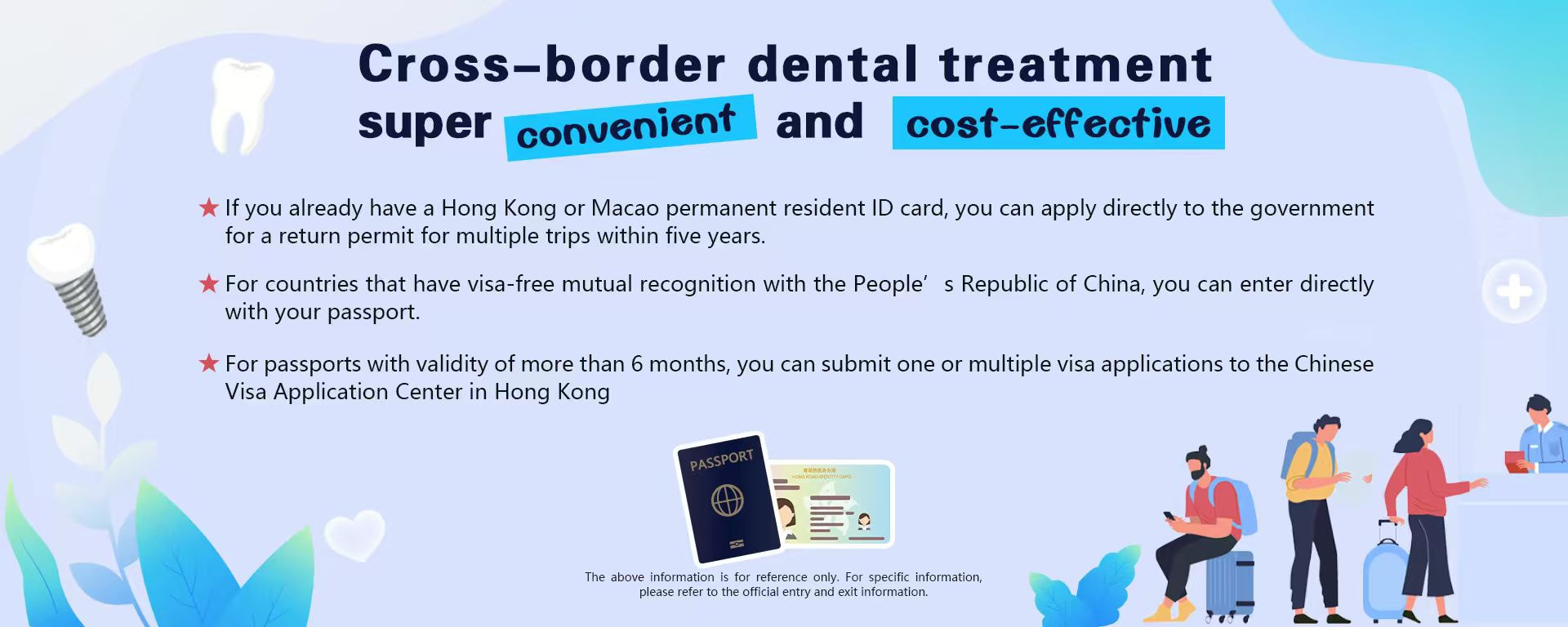
- Logistics: Entry/visa rules and appointment booking may require more lead time. Factor in public holidays when planning.
- Communication: If you don’t speak Mandarin, confirm translation support for clinical explanations and remote messaging.
What really drives cost in both countries
While exact numbers vary by clinic and case, these factors tend to shape what you pay:
- Case complexity and estimated number of aligners/refinements
- Whether you’re treated by a specialist orthodontist or a general dentist with Invisalign accreditation
- Clinic reputation, technology (e.g., iTero scanning), and patient support services
- Aftercare inclusions: retainers, refinements, emergency visits, and remote monitoring tools
- Travel timing and how many in‑person visits your plan requires
Remote progress checks: how Kiwis can keep treatment on tr
ack from home
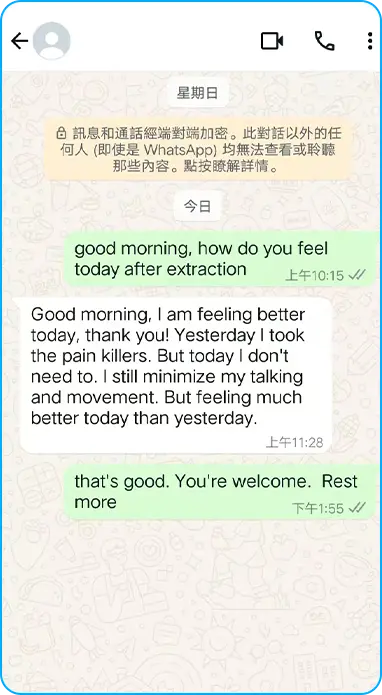
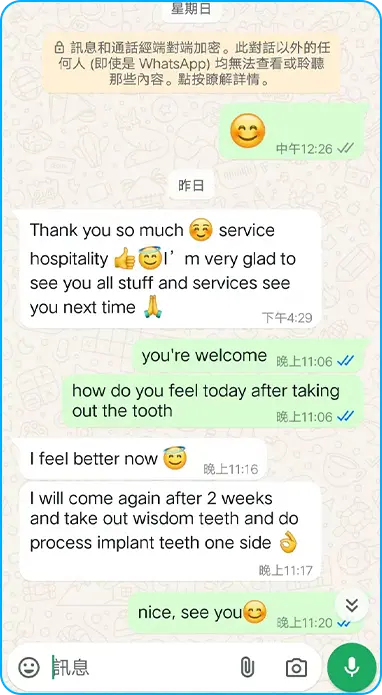
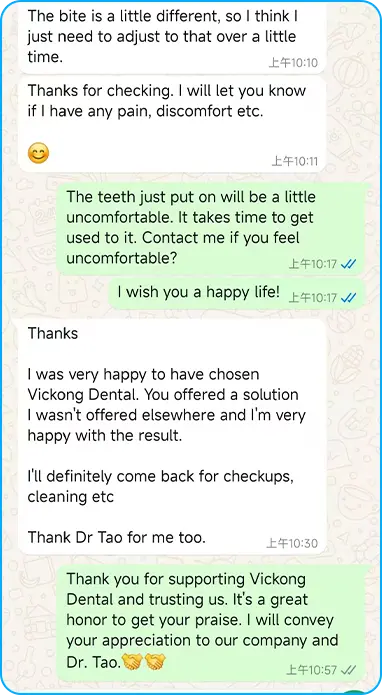
Modern Invisalign workflows make it realistic to do most follow‑ups remotely as long as your initial setup is solid.
Typical remote routine
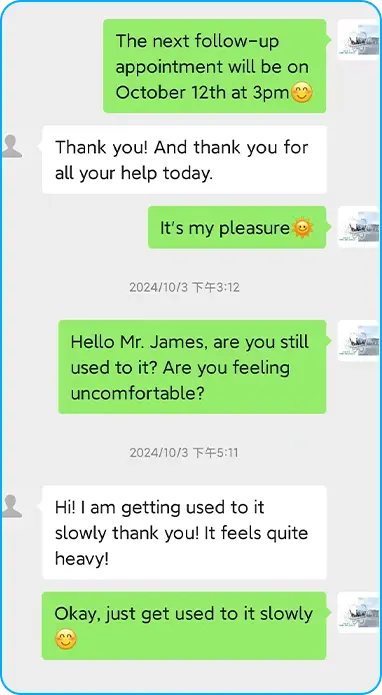
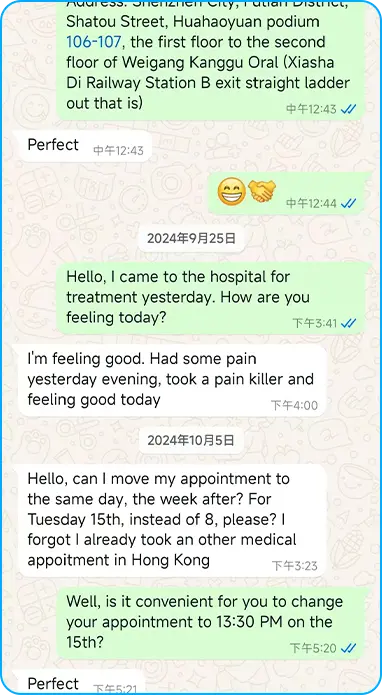
- Photo/scan submissions: You’ll take standardized photos (and sometimes chewies use videos) every 1–4 weeks using instructions or an app recommended by the clinic.
- Wear tracking: Some clinics use AI‑assisted apps that flag issues like poor seating, attachment loss, or noncompliance.
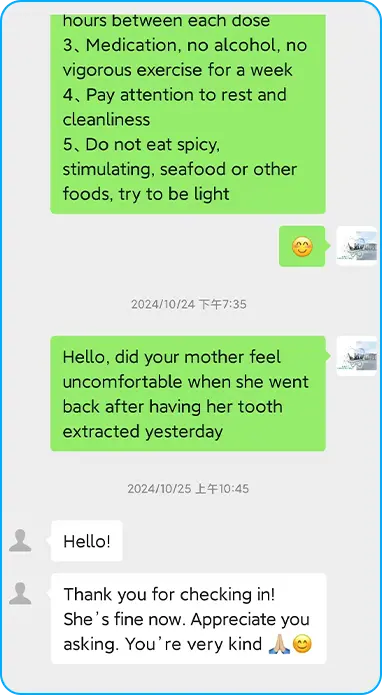
- Message reviews: Your dentist reviews submissions and tells you when to advance trays, pause, or switch to elastics if prescribed.
- Trigger points for in‑person visits: If you need IPR (interproximal reduction), attachment repairs, or elastics hooks adjustments, you’ll either book a short return trip or use a trusted partner clinic in New Zealand if arranged.
Ask these remote‑care questions before booking
- What app or platform will we use for photos and messaging?
- How fast are responses if I have a problem?
- Who pays for shipping additional aligners or refinements to New Zealand?
- What happens if an attachment falls off at home?
- How many in‑person visits are expected across the entire treatment?
Planning your overseas timeline
- Pre‑trip: Share dental history, recent X‑rays if available, and clear photos for a preliminary suitability check.
- First visit abroad: Records, 3D scan, and clinical assessment. Some clinics place attachments at the second visit after your first aligners arrive.
- Turnaround: There’s usually a gap between scan and aligner delivery, so ask about options—some travellers plan two short trips, while others stay longer to receive the first sets.
- Back in NZ: Follow the remote plan, stick to daily wear time, and use chewies as recommended. Keep retainers and emergency contacts handy.
Avoid common pitfalls
- Don’t accept “house‑brand” aligners marketed as Invisalign. If it isn’t produced by Align Technology, it’s not Invisalign.
- Don’t skip a written treatment plan outlining goals, estimated aligners, refinements, and retention.
- Don’t assume shipping is included—clarify costs and timelines for additional sets.
- Don’t ignore fit issues or pain beyond normal pressure—flag it early via the app.
How to choose between Vietnam and China
- Prefer Vietnam if you value a smooth, English‑friendly dental‑tourism experience with clear patient coordination and simple travel logistics.
- Consider China if you want a big‑city provider with extensive Invisalign case experience and are comfortable arranging translation support and navigating a denser appointment environment.
- In both places, the clinic you choose matters far more than the country. Prioritize provider experience, transparent communication, and a robust remote‑care protocol.
A quick checklist for Kiwis
- Verify the clinic on the Invisalign doctor locator
- Preview your ClinCheck and meet the treating doctor (tele‑consult works)
- Confirm remote monitoring tools, response times, and escalation steps
- Get everything in writing: inclusions, refinements, retainers, shipping
- Plan flights to allow for scan, attachment placement, and any required follow‑ups
- Keep copies of your ClinCheck, aligner numbers, and clinic contacts on your phone
Bottom line
For Kiwis weighing Invisalign cost between Vietnam and China, both destinations can offer strong value without compromising authenticity—if you vet the clinic and lock in a clear remote‑care plan. Focus on genuine Align Technology treatment, transparent communication, and predictable follow‑ups. Do that, and you can align your smile abroad while keeping your progress on track at home.