



Dental Aesthetics Bangkok vs. China: Natural Smile Architecture for Kiwi Patients
If you’re a Kiwi considering dental aesthetics abroad, two destinations tend to dominate the conversation: Bangkok and major hubs in China. Both offer modern clinics, experienced clinicians, and faster timelines than you might find at home, but the experience and outcomes can differ in subtle, important ways. This guide walks you through those differences with a focus on “natural smile architecture” — building a smile that looks like you, functions comfortably, and ages gracefully.
What “natural smile architecture” really means
Natural smile architecture is more than bright veneers. It’s a holistic approach that respects your facial proportions, bite, gum line, and the way your lips move. It blends artistry with biomechanics:
- Proportion: Teeth that suit your face shape and age, not a one-size-fits-all template.
- Texture and translucency: Enamel-like surfaces that catch light naturally.
- Gum harmony: Symmetry and healthy gingival contours to frame teeth.
- Bite and airway: A balanced occlusion that protects joints and muscles and supports comfortable breathing and speech.
This philosophy can be achieved in both Bangkok and China — the question is which ecosystem aligns better with your needs as a New Zealander.
Bangkok at a glance
Bangkok has matured into a regional center for cosmetic dentistry and full-mouth rehabilitation. Many clinics emphasize minimally invasive techniques, digital smile design, and same-trip makeovers thanks to on-site labs with CAD/CAM systems.
For Kiwi travelers, Bangkok’s appeal includes:
- Streamlined scheduling: Short lead times and coordinated multi-specialty care (prosthodontics, periodontics, orthodontics) under one roof.
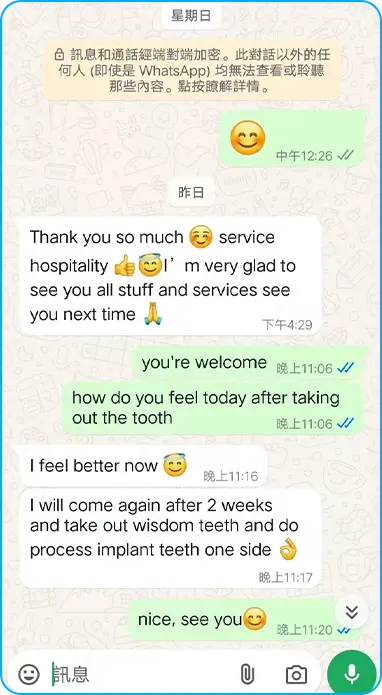
- Hospitality culture: English-speaking teams used to international patients, clear pre- and post-op instructions, and concierge-like support for airport pickup, hotels, and aftercare.
- Aesthetic sensitivity: A noticeable emphasis on subtle, “undone” aesthetics — natural contours, gentle translucency, and careful gum sculpting to avoid that overdone look.
China at a glance
China’s tier-1 cities (Shanghai, Beijing, Shenzhen) host a fast-growing ecosystem of high-tech dental centers. Many clinicians trained abroad or collaborate with global labs, and technology adoption is brisk, from digital scanners to guided surgery.
For Kiwi travelers, China’s strengths include:
- Scale and specialization: Large multidisciplinary centers that handle complex cases from implants to ortho-driven smile design.
- Lab networks: Access to advanced materials like high-translucency zirconia and pressed ceramics, with robust quality control in major hubs.
- Research-driven practice: Clinics adopting evidence-based protocols and sophisticated digital workflows that integrate bite analysis and airway considerations.
Comparing the experience for Kiwi patients
Travel and logistics
- Flight time: Bangkok offers more direct connections from New Zealand. China’s routes are improving but may require more layovers, depending on your departure city.
- Visas and language: Thailand’s tourist entry is straightforward for short treatments. In China, major clinics often have excellent English support, but everyday navigation can be tougher if you don’t speak Mandarin.
- Timeline: Both destinations can deliver smile makeovers in 7–14 days, with digital planning and onsite milling to reduce waits. Complex interdisciplinary cases (gums, implants, occlusion) may require staged visits.
Clinical philosophy and aesthetics
- Bangkok clinics often lean toward minimally invasive veneer prep, careful gum recontouring, and nuanced texture work that blends with your existing enamel. This appeals if you value a soft, natural finish.
- In China’s top-tier centers, you’ll find strong em
phasis on engineering precision and occlusal harmony. Patients needing bite correction, full-arch rehabilitation, or implant-supported aesthetics may benefit from the depth of interdisciplinary teams.
Materials and craftsmanship
- Both locations use premium ceramics, including E-max and advanced zirconias. The difference lies in hand-finishing and characterization. Bangkok often prioritizes hand-layered artistry for life-like enamel effects; China’s large labs excel at consistency, strength, and repeatability.
- If your priority is a hyper-natural surface texture and translucency, look for clinics with in-house ceramists who photograph and shade-match under different lighting. If you need durability for bruxism or large-span restorations, ask about multi-layer zirconia protocols and occlusal design.
Aftercare and durability
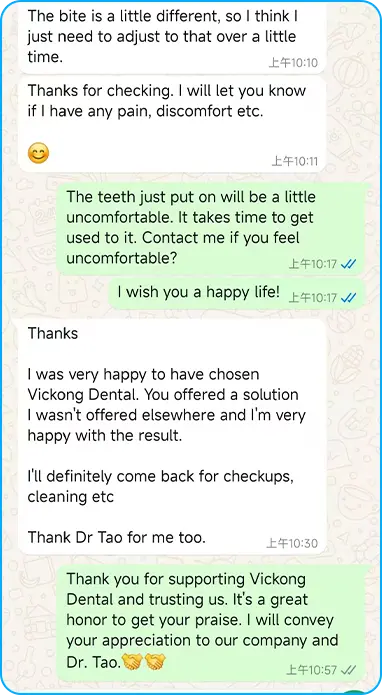
- Follow-up matters more than the flight you book. Bangkok clinics accustomed to medical tourism often provide structured tele-checks, detailed night-guard protocols, and coordinated hygiene plans you can continue in New Zealand.
- Chinese centers may offer comprehensive warranty frameworks and integration with digital patient portals. Clarify how adjustments or repairs will be handled once you’re home and whether a partner clinic in NZ can assist.
How to choose the right clinic, wherever you go
- Start with your bite, not just your smile: Ask for a comprehensive assessment that includes occlusion, TMJ screening, and gum health. Natural beauty follows functional balance.
- Demand a mock-up: Digital or chairside mock-ups let you “test drive” your new smile, evaluating phonetics, lip support, and incisal display.
- Check case libraries: Look for before-and-after photos of patients similar in age, facial structure, and aesthetic goals. Pay attention to the gums and the subtleties of translucency, not just tooth color.
- Meet the ceramist: If possible, ask whether an in-house ceramist will custom layer your restorations. Their eye determines the difference between “white” and “right.”
- Clarify maintenance: Understand cleaning techniques, recommended polishes for ceramics, diet and lifestyle tips, and how to manage small chips or debonds back in NZ.
A sample pathway for Kiwi patients
- Pre-visit planning: Share recent X-rays, intraoral photos, and a short selfie video speaking naturally. Discuss goals (whiter, longer, more aligned) and constraints (sports mouthguards, bruxism).
- Digital design: Approve a smile design based on your facial metrics and phonetics, not just a shade chart.
- Gum and bite prep: If needed, schedule minor gum recontouring or ortho aligners to set the foundation for a harmonic smile line.
- Restorative phase: Prep is kept as conservative as possible. Temporary restorations should mirror the final plan so you can live with the look and feel.
- Final fitting and education: Fit, polish, bite refinement, and a night-guard. Receive care instructions written for New Zealand products and routines.
Which destination suits you?
- Choose Bangkok if you prioritize a gentle, artisanal aesthetic, a smooth visitor experience, and a single-visit transformation with boutique-level attention to the nuances that make a smile look “born this way.”
- Choose China if your case leans complex, you value engineering precision, and you want access to large multidisciplinary teams and cutting-edge digital workflows for full-mouth rehabilitation.
A natural Kiwi smile, anywhere you land
Whether you land in Bangkok or Shanghai, the heart of natural smile architecture is the same: conservative preparation, gum harmony, balanced occlusion, and ceramics that respect light and texture. Pair that with a clear aftercare plan you can follow at home, and your smile won’t just look brighter in photos — it will feel like an authentic part of you, day in and day out.