



Full Arch Replacement Vietnam vs. China: Modern Infrastructure & Easy HK Access for Kiwis
If you’re a Kiwi weighing up where to go for a full arch replacement, two destinations keep popping up: Vietnam and China. Both have modern dental infrastructure, experienced implant teams, and strong reputations in dental tourism. Yet they feel different on the ground, and the logistics—especially via Hong Kong—can sway your decision. Here’s a clear, Kiwi-friendly comparison to help you plan with confidence.
What a full arch replacement involves
Full arch replacement typically means using multiple implants to support a fixed bridge that replaces all teeth in your upper or lower jaw. Many clinics use digital workflows: CBCT 3D scans for planning, intraoral scanners for impressions, and surgical guides for accuracy. Some cases qualify for immediate-load provisionals (a temporary fixed bridge placed on the day), while others require a healing period before loading. Expect staged care: consultation and planning, surgery and provisional phase, osseointegration over several months, then a definitive bridge. Your case specifics—bone quality, gum health, bite, and medical history—determine the timeline.
Vietnam: streamlined care in modern, traveler-friendly cities
- Dental infrastructure and standards: Major hubs like Ho Chi Minh City, Hanoi, and Da Nang have private clinics designed for international patients. Many feature hospital-grade sterilization, CBCT suites, guided surgery, and in-house or partner dental labs for quicker turnarounds on provisionals and finals.
- Communication: English-speaking coordinators, dentists trained abroad, and transparent case presentations are common. You’ll often receive digital treatment plans, before-and-after galleries, and clear post-op instructions tailored to dental tourists.
- Travel logistics for Kiwis: Vietnam is readily accessible via one-stop routes from New Zealand. E-visa options streamline entry for most travelers, and busy flight networks make Ho Chi Minh City and Hanoi simple bases for care. Accommodation close to clinics is affordable and varied, and city infrastructure—ride-share apps, cashless payments, and pharmacies—supports a low-stress recovery.
- Care experience: The vibe is personable and hospitality-forward. Soft-food cuisine is easy to find (pho, congee, steamed fish), and aftercare visits are often efficiently scheduled across a compact timeline. For many Kiwis, Vietnam hits the sweet spot of modern dentistry and relaxed travel.
China: cutting-edge facilities with the Hong Kong advantage
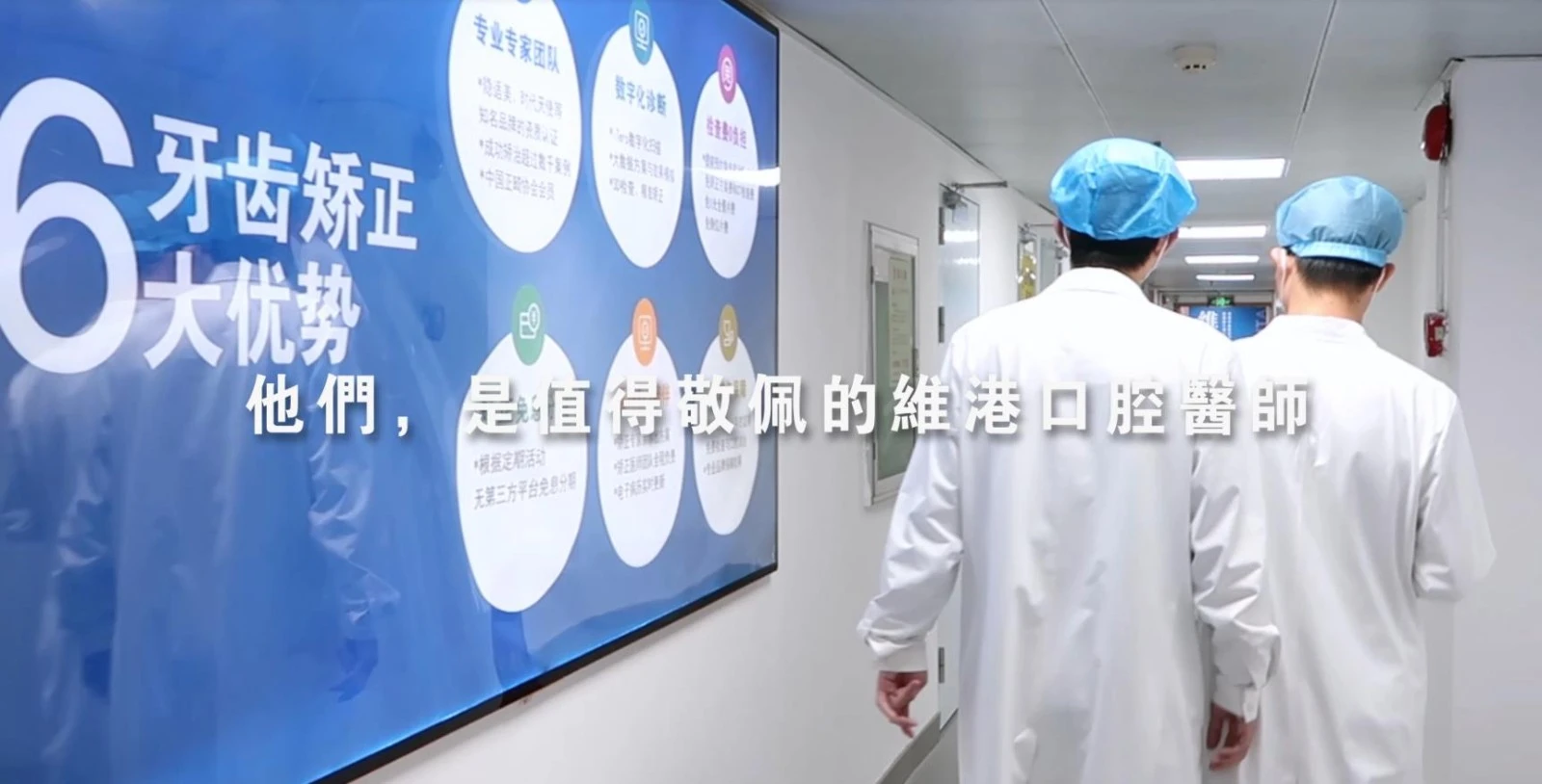
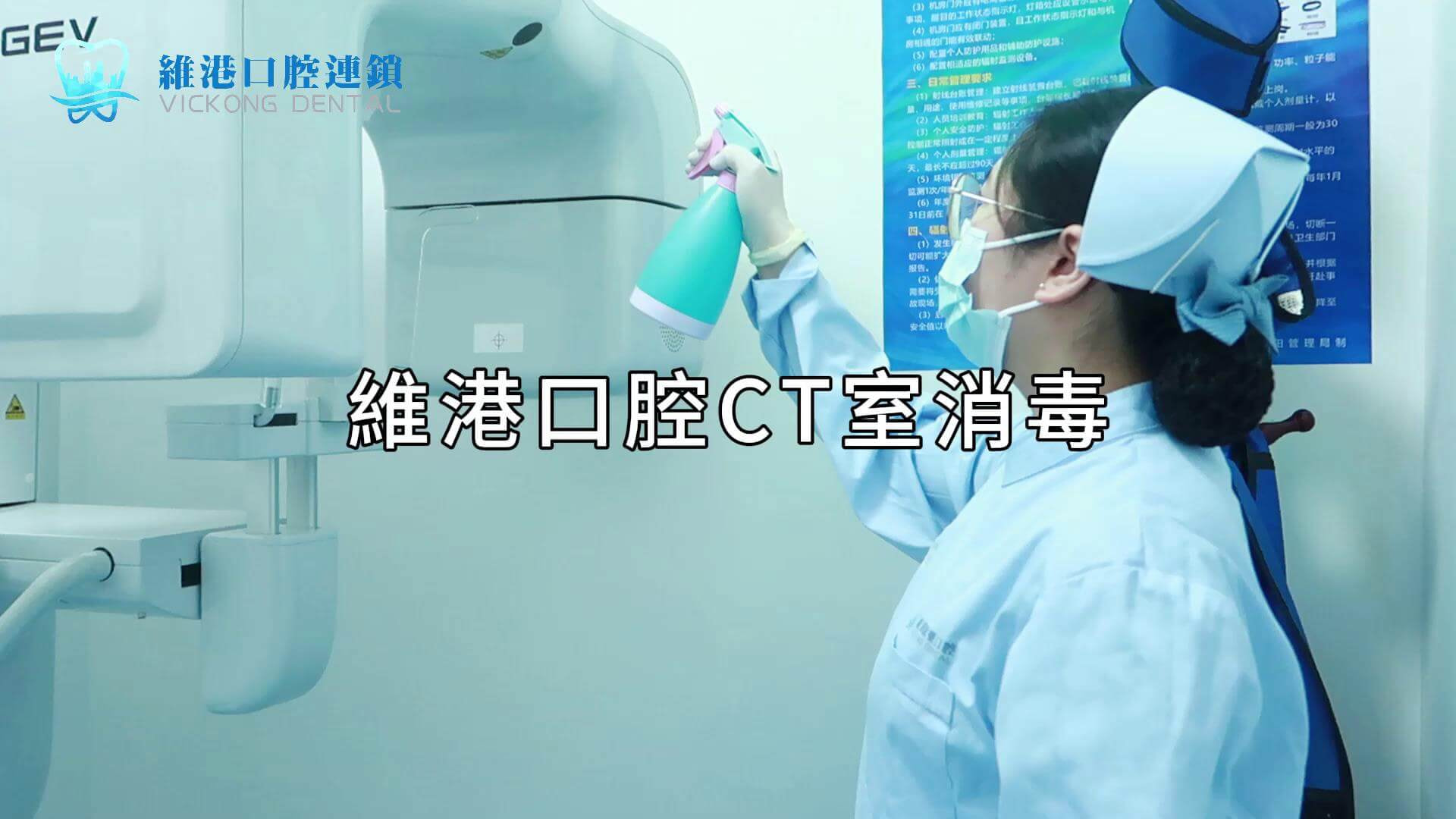
- Dental infrastructure and standards: Tier-one cities like Shanghai, Shenzhen, Guangzhou, and Beijing are home to high-spec dental hospitals and premium clinics. You’ll see advanced digital dentistry, wide implant system choices, and multi-specialty teams (prosthodontics, periodontics, oral surgery) under one roof—useful for complex full arch cases.
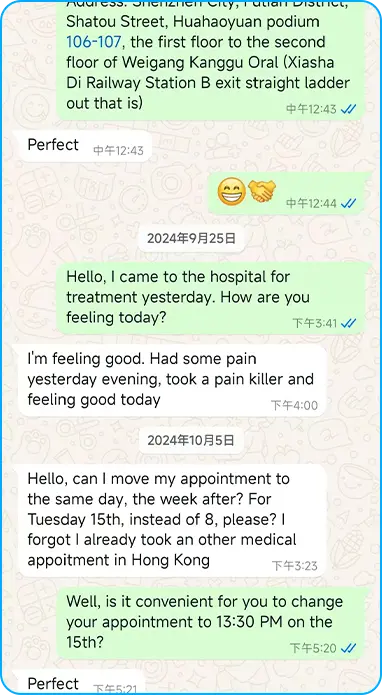
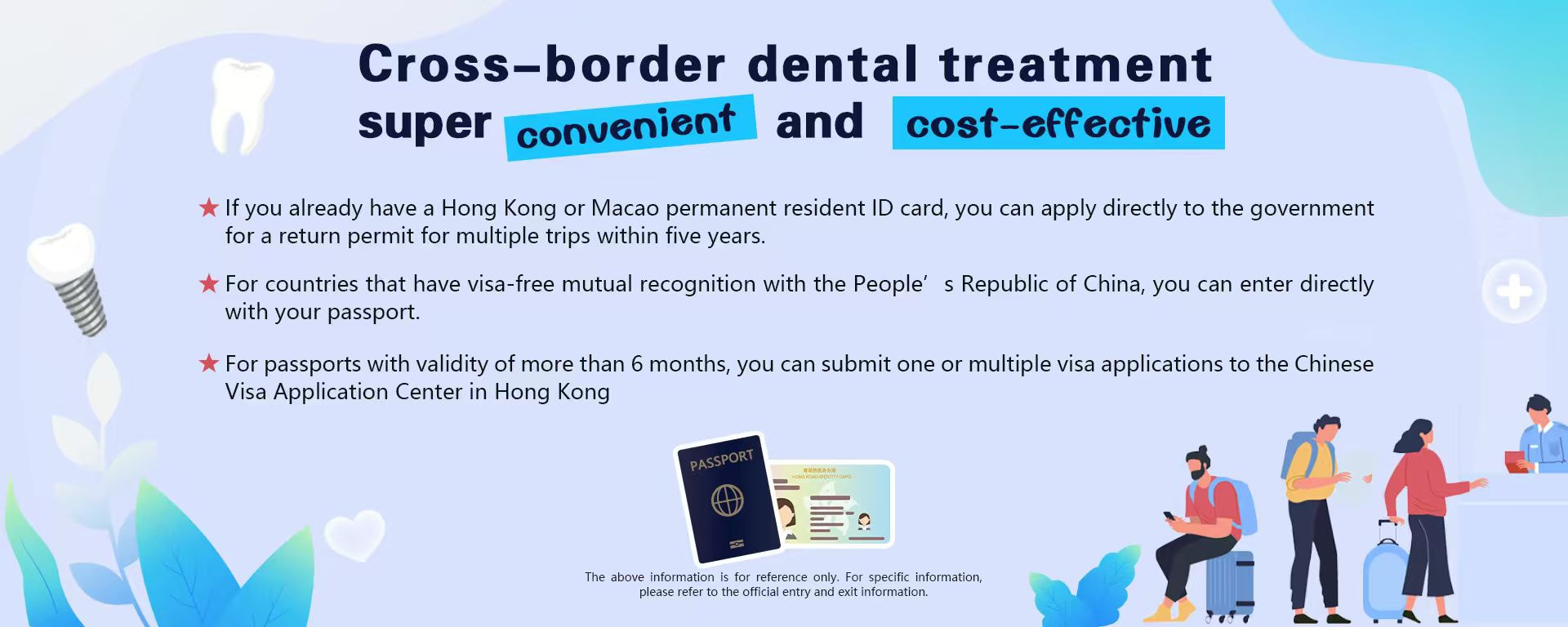
- Hong Kong as a gateway: From New Zealand, getting to Hong Kong is straightforward, and NZ passport holders typically enjoy visa-free entry to Hong Kong for short stays. From there, you can take the high-speed rail from West Kowloon to Shenzhen or Guangzhou, or a short flight into mainland cities. This makes Hong Kong an appealing staging point: recover for a day, cross the border rested, and keep your itinerary flexible.
- Visa notes: Mainland China generally requires a visa for NZ travelers, though specific ports or regions can have special arrangements. Policies evolve, so check official sources before you book. Hong Kong’s connectivity means you can plan consults, lab checks, and post-op reviews with less travel fatigue.
- Care experience: China’s urban clinics often feel like comprehensive medical centers. If you want a hospital environment, abundant imaging options, and multi-di
sciplinary consultation under one umbrella, this might suit you. It’s also an excellent option if you’re considering complex grafting or revision cases.
Vietnam vs. China: how they compare for full arch replacement
- Clinical approach: Both destinations offer full arch solutions (including All-on-4/6-style approaches) using CBCT planning and guided surgery. Immediate load is case-dependent everywhere. Look for clinics that emphasize occlusion, gum health, and long-term maintenance—not just the surgery day.
- Technology and labs: Expect modern tech in both places. In Vietnam, in-house labs often shorten provisional timelines. In China’s big centers, you’ll find expansive lab networks with advanced ceramics and CAD/CAM workflows. Ask about scan-to-fit protocols, screw-retained designs, and access channels for easy maintenance.
- Communication and support: Vietnam tends to lean into concierge-style coordination in English. China’s top clinics in major cities also provide bilingual support; if you’re routing via Hong Kong, you may find English even more prevalent during transit and recovery days.
- Access and itinerary: Vietnam is a one-country trip with minimal border complexity. China pairs well with a Hong Kong stopover, which can reduce jet lag and stress. If you value simple flight planning, Vietnam is hard to beat. If you value the Hong Kong gateway and high-speed rail connectivity to clinics, China shines.
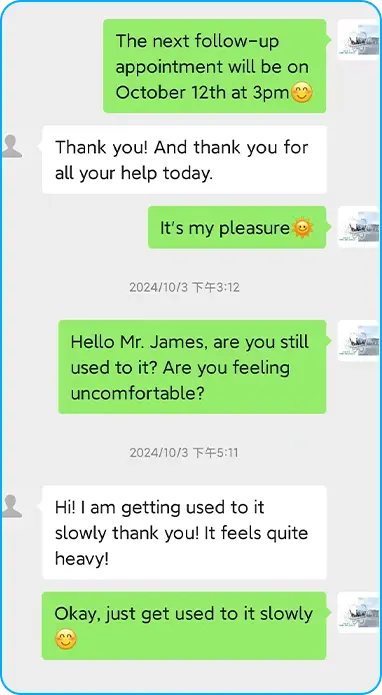
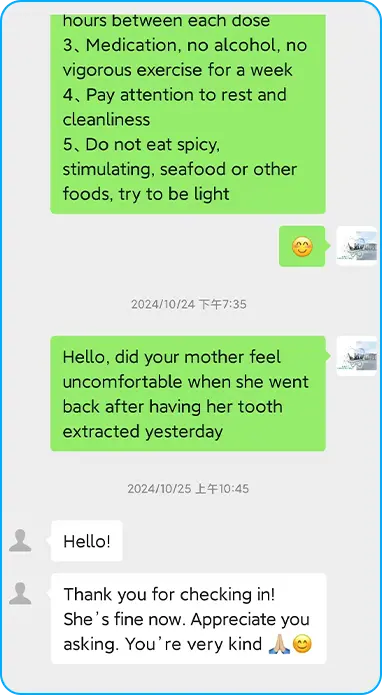
- Aftercare and follow-up: For both destinations, ask how remote check-ins work once you’re back in New Zealand, what maintenance schedule they recommend, and how they handle issues like screw loosening or chip repairs. Clarify whether you’ll return for the final bridge or coordinate with a NZ dentist.
Practical checklist for Kiwis
- Credentials: Seek clinics with implant-focused surgeons, prosthodontists, and a robust portfolio of full arch cases.
- Imaging and planning: CBCT-based planning, diagnostic wax-ups or digital mock-ups, and guided surgery are reassuring signs.
- Implant systems: Well-known, widely supported brands help with future maintenance in NZ.
- Provisional protocol: Understand whether you qualify for immediate-load provisionals and the soft diet required during healing.
- Final materials: Discuss zirconia vs. hybrid options, framework design, and wear considerations.
- Warranty and maintenance: Get a written policy covering implants, prosthetics, and chairside adjustments.
- Schedule: Build in buffer days for reviews, bite refinements, and lab tweaks.
- Travel insurance: Choose a policy that covers medical travel changes, not just luggage.
Red flags to avoid
- “One-day full mouth” promises without proper diagnostics.
- Minimal discussion of bite, gum health, and maintenance.
- Vague consent forms or unclear guarantees.
- Pressure tactics or big discounts tied to same-day decisions.
So, which destination fits you?
- Choose Vietnam if you want a streamlined, traveler-friendly experience in cities well set up for dental tourism, with plenty of English support and simple entry. It’s ideal if you prefer a single-country plan with strong modern clinics and an easy-going recovery environment.
- Choose China if you want mega-city infrastructure, hospital-grade settings, and the convenience of staging your trip through Hong Kong. If your case is complex or you value multi-disciplinary teams and dense transport links, it’s a compelling choice.
Bottom line
Full arch replacement in Vietnam and China both deliver on modern infrastructure. The tie-breakers for Kiwis are often travel flow and how you like to move: Vietnam for a direct, cohesive journey; China for cutting-edge urban care with the bonus of easy Hong Kong access. Do your due diligence, secure a clear treatment plan, and give yourself time on the ground—your future smile will thank you.