









Dental Aesthetics Vietnam vs. China: Custom Tooth Morphology & Natural Shade Matching
If you’re comparing dental aesthetics in Vietnam and China, you’re probably weighing more than just travel and timelines. The real differentiators sit in the artistry: custom tooth morphology and natural shade matching. Those two elements are what separate a “nice smile” from a smile that looks like it grew in your mouth. Both Vietnam and China have strong reputations in cosmetic dentistry, but they often arrive at beautiful results through slightly different workflows and strengths. Here’s how they stack up, and what matters most when you’re aiming for veneers, crowns, or a complete smile makeover that still looks like you.
What custom tooth morphology really means
Tooth morphology is the shape language of your smile. It’s not just about size and alignment. It’s the incisal edge translucency, the subtle surface texture, the scalloped embrasures, the symmetry that’s not perfectly symmetrical, and the way teeth interact with your lips and jaw in motion. Great dental aesthetics involves face-driven design: the teeth fit your facial features, smile line, and even your phonetics. That typically includes a digital smile design or wax-up, a “trial smile” in the mouth, and an occlusal plan that ensures your bite is stable. Without this, veneers or crowns can look flat, too white, or just not “you.”
Vietnam: Boutique craftsmanship and chairside artistry
Vietnam’s cosmetic dentistry scene has blossomed, especially in Ho Chi Minh City and Hanoi, with clinics that cater to dental tourism but maintain a boutique feel. Many clinics emphasize close collaboration between the dentist and ceramist. You’ll often see hand-layered ceramics, custom staining done chairside, and a lot of attention to micro-texturing—those tiny grooves and perikymata that break up light naturally.
Clinics in Vietnam commonly use cross-polarized photography and gray cards to calibrate color, along with shade guides like VITA. The communication loop between clinician and lab can be tight because many teams work in-house or with long-standing partner labs. It’s not unusual to have a ceramist present during try-ins to tweak morphology or shade on the spot. This symbiosis is great for nuanced cases like single central incisors, where a perfect match in translucency and opalescence is notoriously difficult.
China: Digital consistency and advanced lab integration
In China, the dental aesthetics ecosystem is strongly supported by large, technologically sophisticated labs—especially in hubs like Shenzhen and Shanghai. You’ll encounter robust CAD/CAM pipelines, advanced shade scanners, and standardized digital protocols that lead to consistent outcomes. For multi-unit cases, this can translate to predictable timelines and high-quality fits, with precise milling and well-controlled workflows.
Monolithic zirconia with micro-layering, multilayer e.max, and hybrid approaches are common, backed by quality assurance processes at scale. Some clinics rely on morphology libraries—a blessing for uniformity, but potentially a downside if you want a highly individualized look. However, top-tier clinics and labs in China also produce exceptional hand-layered work; the key is choosing a provider known for custom design rather than default templates.
Natural shade matching: Where science meets art
Natural shade matching isn’t just “pick a white.” It’s a map of hue, chroma, value, translucency, and fluorescence. Both Vietnam and China employ modern shade protocols, but their emphasis can differ.
- Tools and protocols: Spectrophotometers, digital shade analyzers, and cross-polarized photography are increasingly common in China’s lab-driven workflows, facilitating consistent communication. In Vietnam, photography protocols are also strong, with a reliance on skilled ceramists to interpret subtleties in incisal halos, mamelons, and translucency gradients.
- Single-tooth challenges: Matching a lone front tooth to its neighbor is the ultimate test. Vietnam’s chairside collaboration often sh
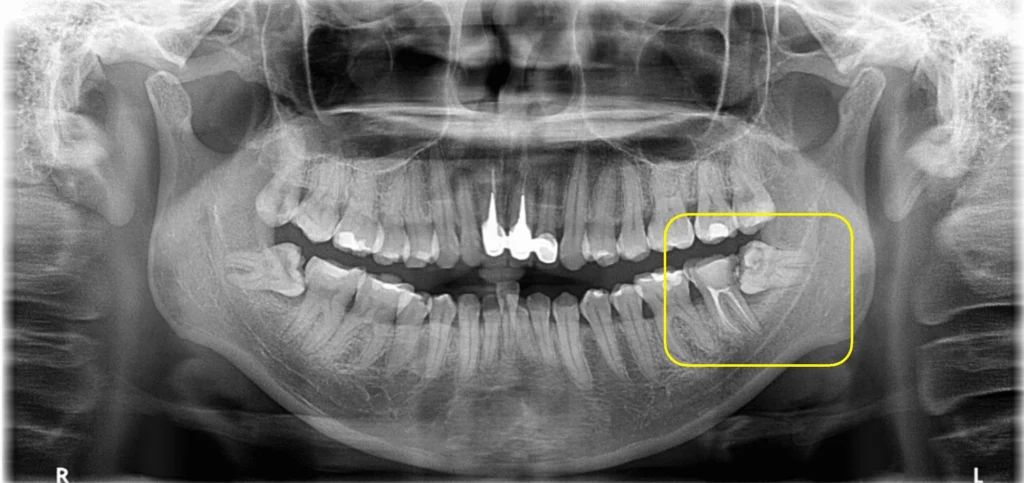
ines here, allowing for immediate micro-adjustments. In China, a precise digital record and robust remake policy can solve the same problem—provided the clinic communicates highly detailed shade maps to the lab and schedules timely try-ins.
- Age and tissue harmony: Natural shade matching accounts for your age, skin tone, and gingival hue. Overly bright veneers can clash with your complexion or reveal margins as gums thin over time. Leading clinics in both countries assess baseline whitening plans, soft-tissue health, and lighting conditions in photos to ensure longevity and realism.
Materials and morphology: Beyond color
- E.max vs. zirconia: E.max (lithium disilicate) is loved for translucency and lifelike layering. Zirconia offers strength and can be gorgeous when micro-layered. Vietnam’s boutique ceramists often lean into layered ceramics for the front teeth to maximize realism, while China’s CAD/CAM excellence makes blended strategies efficient and consistent.
- Texture and gloss: Natural teeth don’t have a uniform gloss. Look for clinics that document surface texture and use polish and glaze strategically, not as a one-size-fits-all finish. Ask about incisal beveling, contact point design, and gingival embrasure form—these tiny decisions shape how light plays across your smile.
Process matters: Trial smiles, phonetics, and bite
No matter where you go, the process should include a test drive. A temporized “mock-up” lets you assess speech, lip support, and the way edges hit when you say F and S sounds. Both Vietnam and China offer this; ensure your clinic captures video, not just photos, and checks your bite with articulating paper and digital tools. Good occlusion prevents chipping, headaches, and accelerated wear.
Travel and aftercare considerations
- Turnaround and logistics: Vietnam’s tight dentist-ceramist collaboration can make quick adjustments possible without bouncing cases back and forth. In China, large labs can handle complex cases efficiently, but clear communication is essential to avoid extra visits. Plan for at least one follow-up after cementation, wherever you go.
- Aftercare and maintenance: Nightguards for grinders, hygiene visits, and stain management are critical. Confirm your clinic’s policies on remakes, touch-ups, and remote consults, and how they coordinate with local dentists if you’re traveling.
How to choose between Vietnam and China
Both countries can deliver beautiful, natural results. Your best choice depends on your preferences and the specific clinic:
- Choose Vietnam if you value boutique-level customization, hand-layered ceramics, and chairside shade and texture refinements with a ceramist involved in try-ins.
- Choose China if you prioritize digitally standardized workflows, advanced lab technology, and consistency across multi-unit cases, especially when backed by a clinic known for custom morphology beyond default libraries.
A practical checklist for your consultation
- Ask to see before-and-after cases with close-up texture shots and cross-polarized photos.
- Request the shade protocol: spectrophotometer readings, gray card use, and lighting conditions.
- Confirm a mock-up or trial smile and what changes can be made before final cementation.
- Clarify material choices for each tooth position and why they’re recommended.
- Discuss occlusion planning, including how they’ll protect your restorations if you clench.
- Find out whether a ceramist will be present or available during try-ins.
- Ask about remakes and adjustments timeline in case a single tooth doesn’t match.
The bottom line
Dental aesthetics is equal parts art and engineering. Vietnam’s strengths often lie in boutique craftsmanship and chairside artistry; China shines in digital integration and lab precision. Either path can lead to a smile that looks believably yours—provided your team obsesses over custom tooth morphology and natural shade matching. Focus on the workflow, not just the destination, and you’ll be far more likely to walk away with a smile that feels like you were simply born with it.
















