









Cheap Dental Implants in Phuket vs. China: Government-Capped Swiss Implants for Kiwis
If you’re a Kiwi comparing overseas options for dental implants, Phuket and major cities in China are likely at the top of your list. Both offer modern clinics, experienced clinicians, and the chance to save compared with treatment at home. The twist right now is China’s government-capped procurement for dental implants—particularly on respected Swiss systems—which is reshaping the landscape by bringing added price transparency and standardization. Here’s how Phuket and China stack up for New Zealanders considering Swiss implants abroad.
Why Kiwis look overseas for implants
- Faster timelines: Long waits at home can delay care and impact oral health.
- Predictable budgeting: Clinics in Thailand and China often bundle imaging, surgery, and restoration in streamlined plans.
- Access to premium systems: Swiss implants are widely favored for their research track record, precision engineering, and global component availability—handy when you’re back in NZ for maintenance.
Phuket: a seasoned dental tourism hub
Phuket has built a reputation as a friendly, English-speaking destination where dentistry meshes seamlessly with a beach holiday. Many clinics cater to international patients, offering clear treatment plans, airport pickup, hotel partnerships, and coordination for return visits. You’ll find CBCT imaging, CAD/CAM milling, and experienced prosthodontists who place and restore implants daily.
Strengths:
- Convenience: Tourist-friendly infrastructure and staff accustomed to international patients.
- Streamlined scheduling: It’s common to complete diagnostics, extractions, and provisional restorations within a short window.
- English communication: Consultations, consent forms, and aftercare instructions are typically well-prepared for overseas patients.
Points to clarify:
- Brand verification: Ask for written confirmation that a Swiss implant system will be used and request the implant “passport” (lot numbers and model codes) after placement.
- Aftercare plan: Understand how follow-ups will work once you’re back in NZ and what’s covered under the clinic’s warranty.
- Seasonal considerations: High tourism periods can book out quickly; monsoon season may affect travel plans.
China: government-capped Swiss implants and growing international services
China’s major cities—think Shanghai, Shenzhen, Guangzhou, Beijing, Chengdu—now feature hospital-based dental departments and private clinics that serve international patients. In recent years, national procurement reforms have capped the prices at which many clinics can purchase implant components (including popular Swiss systems). The goal is to reduce variability, curb markups, and make the cost structure clearer.
What that means for you:
- Greater transparency: With capped procurement, clinics are more explicit about what you’re paying for—implant fixtures, abutments, surgical time, imaging, and lab work.
- Standardized components: Swiss systems sourced through regulated channels come with traceability, authenticity verification, and universal identifiers, easing future maintenance anywhere in the world.
- Broad clinic spectrum: From university-affiliated hospitals to international dental centers, you’ll find options that emphasize protocols, sterile control, and multi-disciplinary teams.
Things to plan for:
- Language and admin: Many top clinics have English-speaking coordinators, but it’s smart to request English reports in advance and confirm payment methods and invoice documentation.
- Visa and timing: Check current visa rules for NZ passport holders and aim to avoid major holidays (e.g., Lunar New Year) when schedules can be tight.
- Follow-up access: Confirm
how the clinic handles remote checks and what documentation your NZ dentist will receive.
Swiss implants: why they’re a talking point
Swiss implant systems are prized for long-term survival data, precision-matched components, and surfaces designed to support osseointegration. The global ecosystem matters: if you ever need a new abutment or crown in New Zealand, your dentist can usually obtain compatible parts. China’s government-capped procurement doesn’t guarantee identical overall treatment fees—surgical skill, facility overhead, imaging, grafting, and lab work still vary—but it does put a ceiling on implant component costs, which helps control the total package.
Safety, quality, and outcomes
Wherever you go, outcomes hinge on planning and execution. Look for:
- Credentials: Specialist training in implantology, periodontics, or oral surgery; case volume; complication management protocols.
- Diagnostics: CBCT-based planning, surgical guides when appropriate, and periodontal assessment.
- Sterile protocols: Clear infection-control standards and written consent for materials and techniques.
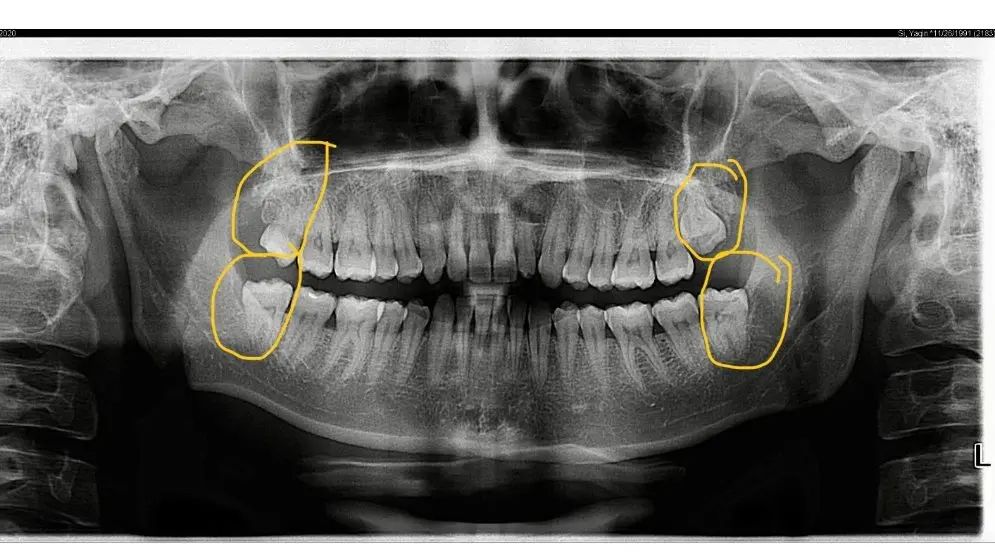
- Documentation: Receive your implant passport/UDI labels, post-op instructions, and radiographs.
Timeline and travel realities
Most single-tooth implants are placed in two stages: surgical placement, then restoration after integration. Immediate temporaries are possible in select cases, but final crowns generally come later. Plan for:
- Trip 1: Consultation, scans, extractions if needed, implant placement, and a provisional solution if indicated.
- Healing: Allow several months for osseointegration, especially in grafted sites.
- Trip 2: Abutment placement and final crown fabrication, often achievable within a week once you’re back on site.
Phuket’s clinics often advertise quick turnarounds for temporaries, which is convenient if you’re on holiday. China’s hospital-based centers may schedule with more formality but offer robust documentation for your NZ dentist. In both destinations, virtual consults before you fly can streamline eligibility, timelines, and medication planning.
Insurance, warranties, and aftercare in NZ
- Clinic warranties: Understand duration and what triggers coverage. Ask whether complications treated back in NZ can be reimbursed or co-managed.
- Brand support: Swiss systems typically come with global traceability and component availability.
- Local dentist coordination: Share your treatment plan and imaging so your NZ dentist can handle hygiene maintenance and periodic checks.
Practical checklist for Kiwis
- Confirm the implant system and receive written proof it is a Swiss brand with traceability.
- Ask for a step-by-step plan covering imaging, surgery, healing, and final restoration.
- Clarify what’s included in the package and what is not (grafting, membranes, sedation, emergency care).
- Request English reports, radiographs, and your implant passport.
- Check visa requirements, travel insurance coverage for medical procedures, and seasonal clinic availability.
- Plan for two visits and budget time for healing between stages.
Bottom line: Phuket and China can both deliver solid value and quality for dental implants. Phuket shines for tourist-friendly logistics and English-forward care. China’s edge is the government-capped procurement that brings added transparency to Swiss implant components within a tightly regulated supply chain. The right choice comes down to your case complexity, travel comfort, and how much you value bundled convenience versus system-level cost control. With careful vetting and clear documentation, Kiwis can feel confident pursuing a durable, well-supported Swiss implant abroad—and returning home with everything their local dentist needs for long-term care.
















