









Dental Hospital Phuket vs. China: Faster Diagnostics & Direct Source Labs for Kiwis
If you’re a Kiwi considering dental work abroad, two destinations often float to the top: Phuket in Thailand and major cities across China. Both are known for advanced dentistry and sizeable clinic networks, but the experience on the ground can be quite different. For many New Zealanders, the deciding factors are speed of diagnosis, access to quality labs, communication clarity, and predictable follow-up. Here’s a practical, plain-English comparison to help you navigate faster diagnostics and direct source labs without getting lost in marketing buzz.
Faster diagnostics: why it matters
Fast diagnostics aren’t just about convenience. They compress the entire treatment timeline: you get a clear diagnosis sooner, a plan you understand, and treatment that fits your travel schedule. That can mean fewer days off work and less stress. It also reduces the risk of mid-trip surprises like discovering you need bone grafting after you’ve already booked flights to place implants.
Phuket’s dental hospitals often run like integrated medical hubs. It’s common to see CBCT scanners, digital intraoral imaging, and CAD/CAM systems under one roof, with same-day or next-day clinical decisions. Consults, imaging, and treatment planning can happen in a single visit. Many clinics pair dentists with treatment coordinators who walk you through digital scans chairside, so you leave the consult knowing exactly what the next steps look like.
China’s top-tier urban clinics also boast advanced tech and highly trained specialists. Where timelines sometimes stretch is coordination: a large clinic might refer imaging or lab work to external partners depending on the city and clinic model. That can still be efficient, but it may involve multiple appointments spread over several days. If you’re in a megacity, travel time between sites can add friction. The upside is access to niche specialists at the top of their field; the trade-off can be pace.
Direct source labs: getting closer to the craftsmanship
The lab is where crowns, veneers, bridges, aligners, and surgical guides come to life. Direct source means your dentist works with a lab closely—sometimes in-house, sometimes a preferred partner—so communication is tight, material provenance is transparent, and remake times are faster if adjustments are needed.
Phuket’s dental hospitals typically maintain established, long-term relationships with regional labs experienced in international cases. Some have on-site milling for temporary restorations or even final zirconia crowns, enabling same-trip or sometimes same-week completion. Because these clinics serve a steady stream of Australian and New Zealand patients, lab technicians are familiar with fit and aesthetic preferences common in our region.
China is home to some of the world’s largest dental manufacturing bases and export labs. The depth of lab options is vast, and top clinics often hand-pick partners known for consistent quality. However, the sheer scale can introduce variability if the clinic doesn’t clearly document material brands, batch tracking, or finishing standards. When choosing a clinic in China, ask about lab certifications, whether they can provide traceability for materials, and how they handle remakes.
Turnaround times for common procedures
- Crowns and veneers: In Phuket, digital scans plus CAD/CAM can mean provisional restorations the same day and finals within a few days, depending on complexity and shade matching. China’s top clinics can match that timeline, but factor in transit and coordination if the lab is off-site.
- Implants: Immediate placement depends on bone quality and case complexity. Phuket’s hospital setups often allow same-trip placement and early-stage reviews within days. C
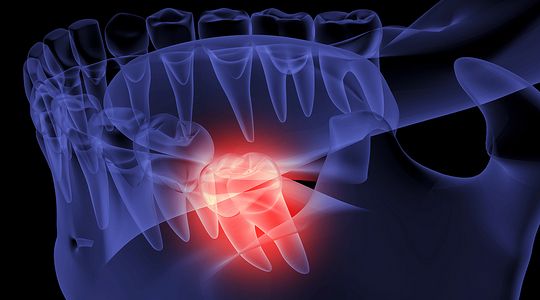
hina’s specialist centers can offer similar pathways; just ensure your trip length matches their review milestones.
- Aligners: Both destinations can start digital planning quickly. The real differentiator is how fast the clinic works with its preferred aligner lab and how they ship refinement trays. Ask about expected intervals and remote monitoring options before you fly.
Communication and comfort for Kiwis
Most Phuket-based dental teams working with international patients operate in fluent English. Consults, consent forms, and aftercare instructions are usually clear and detailed. Hospitality is part of the Thai healthcare experience, and you’ll feel it in patient coordination, follow-up calls, and the ease of booking.
In China, English fluency varies by clinic and city. High-end international clinics are typically strong in English, but neighborhood clinics may rely on translators or apps. That’s not a dealbreaker, but it does put more responsibility on you to confirm details in writing—especially treatment plans, lab choices, and aftercare steps.
Travel logistics and timing
Phuket’s appeal is twofold: a destination that doubles as a holiday and a clinic network tailored for medical tourists. Travel planning is straightforward, and many clinics help with scheduling, transfers, and suggested rest days between procedures. Check current entry requirements and health insurance coverage for peace of mind.
China offers incredible clinical depth and access to niche specialties, but it’s wise to plan extra days for diagnostics, lab coordination, and potential adjustments—especially in large cities. Always verify entry requirements in advance, and consider the impact of public holidays or peak seasons on clinic schedules.
Safety, standards, and transparency
Whether you choose Phuket or China, look for:
- Sterilization and infection control policies aligned with international guidelines
- Clear documentation on material brands and lab certificates
- Digital records you can take home (scans, x-rays, treatment reports)
- A written aftercare plan, including what happens if you need adjustments back in New Zealand
- Warranty terms that specify time frames and what’s covered
Ask to see case photos, request a step-by-step timeline, and make sure you understand the sequence: diagnosis, imaging, temporaries, lab work, fitting, and follow-up. Clinics that volunteer this information upfront tend to run tighter, more predictable schedules.
A practical checklist for Kiwis
- Share your NZ dental records ahead of time so diagnostics don’t start from scratch.
- Confirm whether imaging is in-house and how quickly you’ll get a treatment plan.
- Ask who the lab partner is, what materials they use, and how remakes are handled.
- Align your trip length with the clinic’s proposed milestones.
- Clarify communication channels for post-trip questions or tele-reviews.
- Ensure travel insurance covers medical travel and contingencies.
Bottom line
If speedy diagnostics and tight lab coordination are your priorities, Phuket’s dental hospitals often deliver a seamless, integrated experience that compresses timelines without cutting corners. China’s top clinics can match the technical standard and sometimes offer unique specialist expertise, but the pace can depend on how well the clinic orchestrates its external partners and how easily you navigate language and city logistics.
For Kiwis, the best choice comes down to what you value most: a streamlined, English-friendly, resort-town medical trip in Phuket, or access to China’s vast clinical ecosystem with careful planning and clear communication. Either way, prioritize clinics that show you the plan, prove their lab quality, and back it all with transparent aftercare. That’s how you turn a dental trip into a confident, time-efficient result.
















