









Dental Hospital Vietnam vs. China: Skip Crowded Waiting Rooms with VIP Appointment Care
If you’ve ever sat under fluorescent lights watching the number board crawl forward, you know the true cost of dental care isn’t always measured in money—it’s time and stress. Across Asia, excellent dental treatment is widely available, but the experience varies widely between countries and facility types. Comparing dental hospitals in Vietnam and China, one difference stands out: how efficiently you can move from check-in to chair, especially when VIP appointment care is available to help you skip crowded waiting rooms.
Access and waiting times
China has vast public hospital networks and world-class university dental centers, but sheer demand can make general waiting areas busy, especially during peak hours and popular clinic days. VIP appointment departments and private clinics do exist, and they can streamline the process with dedicated desks, priority triage, and coordinated scheduling.
Vietnam, meanwhile, has rapidly developed an ecosystem of private dental hospitals and clinics designed with international patients in mind. Appointment-first culture is common, and many facilities set up your visit around a precise timetable. VIP appointment care is a built-in feature at many Vietnamese dental hospitals, offering direct check-in, private lounges, and a concierge guiding you from imaging to treatment with minimal delays.
Quality and clinical standards
Both Vietnam and China host highly trained dentists and specialists. In China, top-tier dental hospitals are affiliated with leading medical universities and research centers. In Vietnam, many dentists have international training or continuing education abroad, and leading hospitals adopt global sterilization protocols, digital record-keeping, and rigorous quality checks.
Across both countries, you can find modern technology: 3D CBCT imaging for precise diagnostics, intraoral scanners for accurate impressions, CAD/CAM milling for single-visit crowns, high-powered microscopes for detailed root canal work, and guided surgery systems for implants. The key is selecting a facility that transparently explains its equipment, materials, and protocols.
Language and patient communication
Language support can shape your confidence. In Vietnam’s major hubs—Ho Chi Minh City, Hanoi, and Da Nang—private dental hospitals often have English-speaking dentists, patient coordinators, and readily available translation. China’s major cities—Shanghai, Beijing, Guangzhou, Shenzhen—also offer bilingual VIP departments and international patient centers, though support can be more variable outside metropolitan areas. VIP appointment care typically includes a dedicated coordinator who ensures nothing gets lost in translation.
What VIP appointment care really means
“VIP” isn’t just a private waiting room. In both countries, a strong VIP program often includes:
- Pre-visit online consultation to review your concerns and prior records
- A dedicated schedule that groups diagnostics and treatment efficiently
- Fast-track imaging and lab work to shorten chair time
- Private or semi-private lounges to avoid crowded waiting rooms
- A point-of-contact who escorts you between departments and handles paperwork
- Transparent treatment plans with clear timelines and milestones
- Post-visit follow-up by message or video to monitor healing and answer questions
Treatment scope and technology
Whether you need preventive care, cosmetic dentistry, or complex rehabilitation, both Vietnam and China offer full-spectrum services: implant placement and restoration, crowns and veneers, periodontal therapy, wisdom tooth surgery, orthodonti
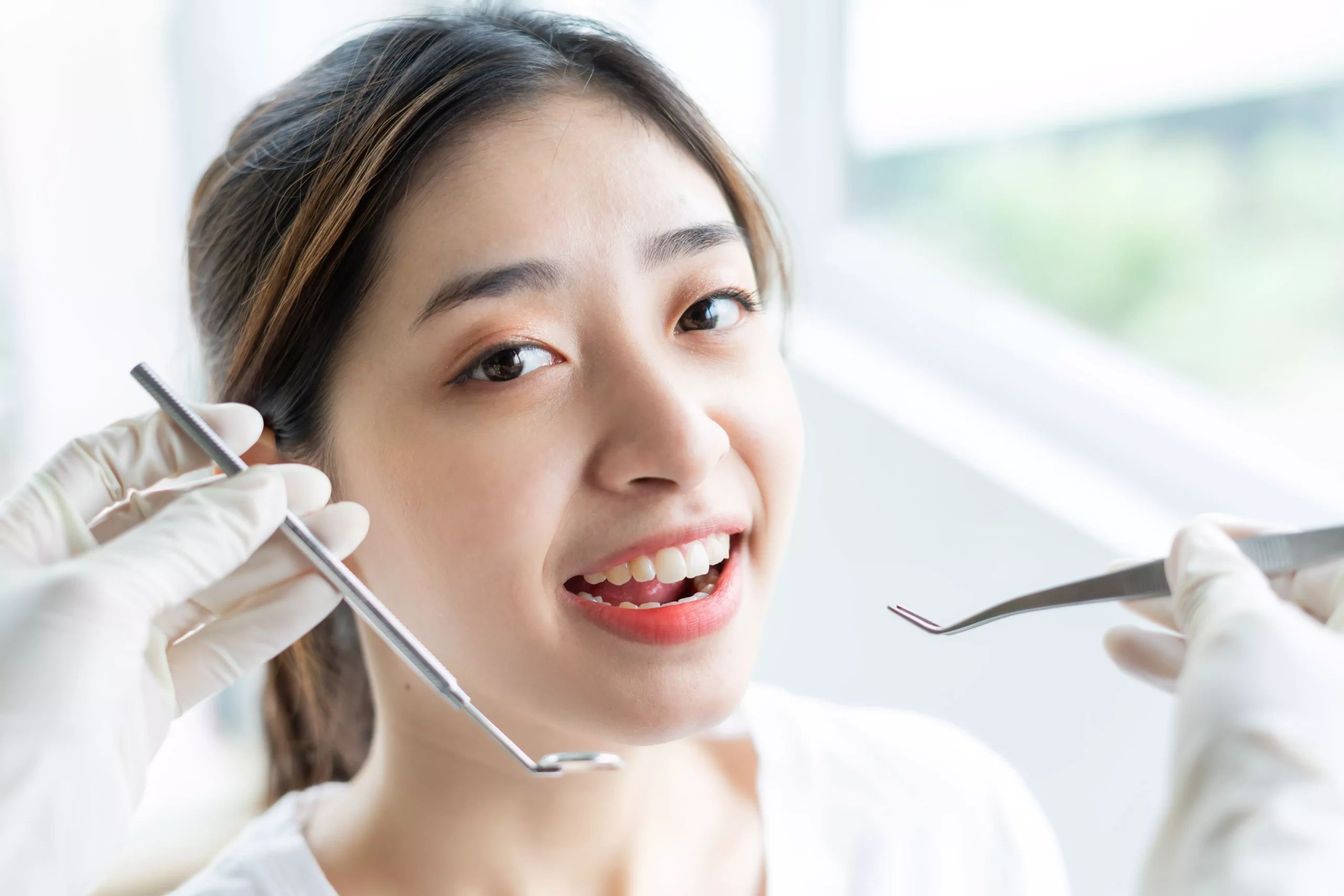
cs, and pediatric care. Digital planning is now common: smile simulations for veneers, surgical guides for implants, and aligner-based orthodontics. If you’re aiming to minimize time away from work or travel, ask about same-day restorations and whether the on-site lab can expedite cases without compromising quality.
Safety, hygiene, and transparency
Skipping crowded waiting rooms is a comfort and a safety advantage, but don’t let convenience overshadow standards. Look for a documented sterilization chain (from pre-cleaning to autoclaving), single-use consumables where appropriate, barrier protection, and clear disinfection procedures for treatment rooms. Good facilities welcome questions and can explain how instruments are tracked and how infection control is audited. If you are immunocompromised or have specific health needs, mention this during pre-consultation so the team can plan room turnover and scheduling accordingly.
Travel logistics and visas
If you’re traveling for treatment, access matters. Vietnam’s major cities have international airports with straightforward connections, and many dental hospitals offer airport pickup and hotel coordination as part of their VIP services. China’s international hubs are well-connected and supported by expansive transportation networks. Visa policies change, so check official guidance before booking, and share your travel dates with the clinic to align your appointment sequence with your itinerary.
Insurance and documentation
International insurance acceptance varies by facility in both countries. A well-organized VIP team can help with pre-authorization, itemized reports, and radiographs needed for claims. Ask in advance about which documents will be provided, how complications are handled, and whether follow-up visits can be coordinated remotely if you return home.
Aftercare and continuity
The best dental hospitals think beyond the day of treatment. In Vietnam, many private hospitals schedule video check-ins and coordinate with local partner clinics for basic aftercare if you’re continuing your travels. In China’s larger hospital systems, continuity can be managed within the same network, especially if you reside long-term in the country. VIP coordination shines here: expect proactive reminders, healing guidance, and direct access to your dentist for urgent questions.
How to choose the right dental hospital
- Verify credentials: dentist certifications, specialist training, and years of experience
- Inspect facilities: imaging capabilities, on-site lab, sterilization areas
- Confirm VIP details: exact steps from check-in to chair, estimated total time in clinic
- Demand transparent plans: diagnosis, options, timelines, and expected outcomes
- Check language support: ensure you can communicate easily during and after treatment
- Review emergency protocols: pain, infection, or unexpected issues
- Read recent patient reviews that mention punctuality, cleanliness, and follow-up
The bottom line
If your priority is to skip crowded waiting rooms, VIP appointment care is the differentiator. Vietnam’s private dental hospitals tend to deliver a hospitality-driven, time-efficient experience tailored to international patients, with streamlined scheduling and attentive coordination. China’s top dental hospitals offer deep expertise and comprehensive services within large medical ecosystems, and their VIP departments can provide a similarly smooth pathway—especially in major cities.
Either way, the smartest move is to assess the experience from door to dental chair: how quickly you’re seen, how clearly you’re guided, and how confidently you can focus on your smile rather than the waiting room.
















