









Vietnam Dentist vs. China for New Zealanders: Clinical Standards & Tech Compared
Thinking about crossing the equator for dental work? New Zealanders often weigh Vietnam and China for care that’s efficient, modern, and travel-friendly. Both destinations have rapidly advancing dental sectors, but they differ in clinical standards, technology adoption, and the overall patient experience. Here’s a clear, practical comparison to help you choose with confidence.
Clinical Standards: How Care Is Regulated and Delivered
Both Vietnam and China have national regulations that govern dentistry, including licensing for dentists, infection control protocols, and clinic inspections. On the ground, however, standards can vary widely between urban flagship clinics and smaller neighborhood practices.
- Vietnam: In major cities like Ho Chi Minh City and Hanoi, international-style clinics commonly follow global guidelines for sterilization and infection control, including the use of autoclaves, single-use consumables, and documented sanitation workflows. Many dentists trained domestically also pursue continuing education with international bodies. You’ll find a growing number of clinics that publish clinical outcomes, show treatment photography, and emphasize patient education—helpful signs of a quality-focused practice.
- China: Tier-one cities such as Shanghai, Beijing, and Shenzhen generally feature highly regulated, premium dental centers with robust infrastructure. These clinics often adhere closely to established protocols and may be part of large hospital groups or corporate networks with standardized care pathways. Documentation and audit trails tend to be extensive, which can add reassurance for international patients. In smaller cities, standards may still be sound, but the consistency can vary more, making careful selection important.
Training and Accreditation
In both countries, dentist training includes a formal degree and national licensing exams. What helps New Zealanders is the visibility of international affiliations and continued education.
- Look for: Dentists who list membership in reputable international dental associations, documented attendance at global conferences, and published case studies. Clinics that share sterilization logs and have clear infection control policies on their websites are a plus. English-language consent forms and treatment plans are a practical indicator of international patient readiness.
Technology: Digital Dentistry and Treatment Capabilities
Modern technology shortens chair time, improves precision, and enhances predictability. Here’s what you can expect:
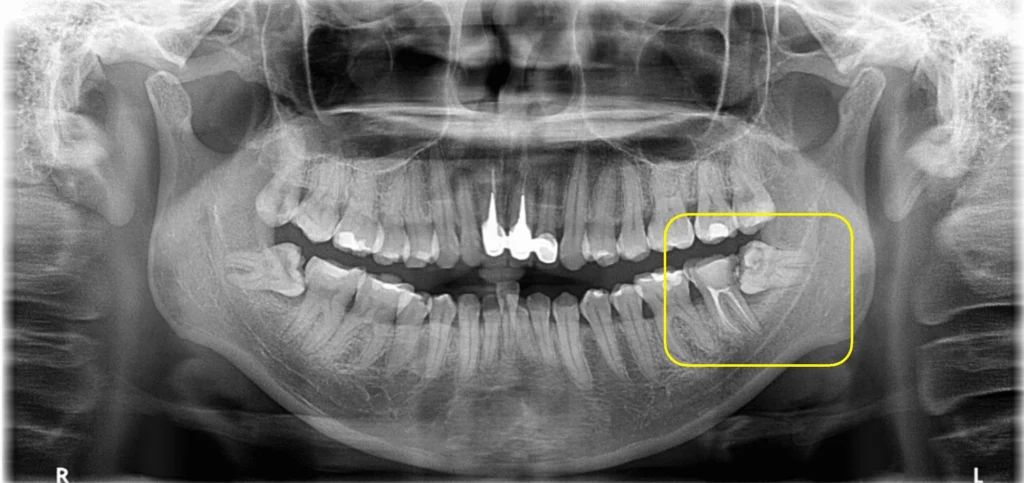
- Imaging: Cone Beam CT (CBCT) for 3D imaging is commonly found in top clinics in both Vietnam and China, especially those handling implants, orthodontics, and complex restorative cases. Digital panoramic X-rays are standard in urban centers.
- CAD/CAM: Chairside CAD/CAM systems for same-day crowns, inlays, and veneers are increasingly popular. China’s high-end clinics often integrate CAD/CAM with digital impressions and milling units under one roof. In Vietnam, many flagship clinics offer similar capabilities, though some may partner with specialized labs for milling.
- Digital workflows: Expect intraoral scanning, digital treatment planning for orthodontics, and guided surgery for implants in leading clinics in both countries. In China’s larger hospital-based settings, these tools may be embedded into multi-disciplinary care. In Vietnam’s boutique clinics, the tech is often paired with a personalized, concierge-style experience.
Infection Control and Sterilization
Sterilization is non-negotiable. Top clinics in both countries typically use:
- Auto
claves with documented cycles and biological indicators
- Barrier techniques (gloves, masks, sterile packs)
- Single-use disposables where appropriate
- Strict instrument tracking to prevent cross-contamination
Ask for a walkthrough of their sterilization area or request written protocols—good clinics will be transparent and proud to share.
Language and Communication
- Vietnam: English-speaking staff are common in international-focused clinics, particularly in tourist-friendly districts. Communication tends to be direct and patient-centered, with flexible appointment structures.
- China: In major cities, English proficiency is strong in international hospitals and expat-focused practices. Smaller clinics may rely on translators or bilingual coordinators. Larger institutions may offer structured care plans with clear documentation.
Patient Experience: Scheduling, Comfort, and Follow-Up
Vietnam’s clinics often emphasize convenience—quick scheduling, friendly coordinators, and short wait times. China’s premium centers may feel more formal but offer comprehensive, multi-specialty services under one roof. For New Zealanders, consistent aftercare is crucial:
- Pre-trip consults: Many clinics support video consults to plan timelines and discuss medical history.
- Post-op follow-up: Ask about remote check-ins, imaging, and coordination with your local dentist in New Zealand for long-term care.
- Warranty policies: Some clinics provide warranties on restorations and implants; confirm terms and required check-ups.
Consistency Across Cities
- Vietnam: The most reliable standards and advanced tech are concentrated in Ho Chi Minh City and Hanoi. Coastal tourist cities may also have good options, but vet carefully.
- China: Tier-one cities offer strong consistency. In lower-tier cities, quality can still be very high, but verifying credentials and technology is more important.
How to Vet a Clinic Before You Fly
- Review dentist profiles: Training, years of experience, specialties, and international education.
- Check technology lists: CBCT, intraoral scanners, CAD/CAM, sterilization equipment.
- Read clinical content: Case studies with photos, treatment planning explanations, and documented outcomes.
- Confirm language support: English consultations, written consent forms, and treatment summaries you can take home.
- Ask about emergency protocols: What happens if you need immediate attention during recovery?
Travel Logistics and Comfort
Both destinations have robust flight connections and well-developed hospitality. Vietnam’s clinics often combine appointments with flexible tourism schedules. China’s large centers may require more structured visits but offer integrated services. Consider visa requirements, travel insurance that covers dental emergencies, and buffer days around major procedures to account for healing and follow-up checks.
Bottom Line: Choosing Between Vietnam and China
- Pick Vietnam if you value a personalized, boutique experience with strong English support and modern tech in urban clinics. It’s especially appealing for streamlined treatments and patient-friendly scheduling.
- Pick China if you prefer hospital-level infrastructure, highly standardized protocols, and integrated multi-specialty care—ideal for complex cases where comprehensive diagnostics and collaboration matter.
For New Zealanders, the safest path is to choose a clinic that proves its standards: transparent sterilization protocols, advanced imaging and digital workflows, clear communication, and documented results. When you prioritize clinical rigor and technology over convenience alone, both Vietnam and China can deliver high-quality dental care worth the trip.
















