









Best Country for Dental Work for Kiwis: Why China Outranks Thailand & Vietnam in 2026
If you’re a Kiwi weighing up dental treatment abroad in 2026, the shortlist usually includes Thailand, Vietnam, and China. All three have built strong reputations for dental tourism. Yet a growing number of New Zealanders are finding that China edges ahead, especially for complex treatments like implants, full-mouth restoration, cosmetic veneers, and aligner-based orthodontics. Here’s why China stands out now, and how to plan a smooth, safe, and successful trip.
Higher-end infrastructure and specialist depth
China’s major cities—Shanghai, Shenzhen, Guangzhou, Beijing, Chengdu—host a dense ecosystem of hospital-affiliated dental centers and large multidisciplinary clinics. That matters when your case involves more than routine cleaning or a single crown. Complex work often requires periodontists, endodontists, oral surgeons, prosthodontists, and lab technicians working in lockstep. The scale in China supports genuine team-based care under one roof, which reduces handoffs and improves predictability for treatments like full-arch implant rehabilitation or guided bone grafting.
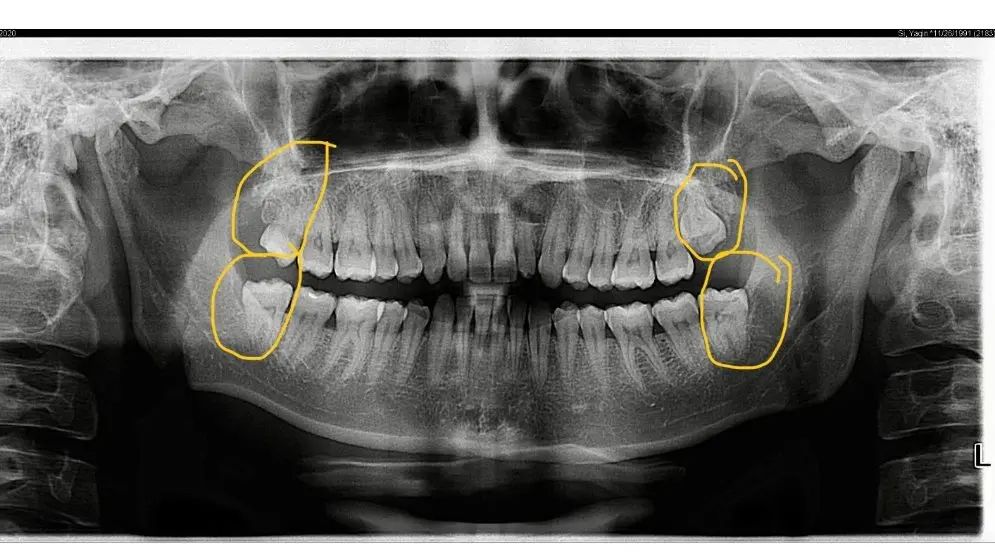
Beyond staffing, many flagship clinics operate with hospital-grade sterility protocols, dedicated surgical suites, and digital planning workflows as standard. You’ll commonly see CBCT 3D imaging, microscope-assisted endodontics, intraoral scanning, and CAD/CAM milling integrated into everyday practice. While you can find these elements in Thailand and Vietnam, the breadth and consistency across China’s top-tier clinics are notable in 2026.
Speed without cutting corners
Kiwis often need tight timelines: get the diagnostics, complete treatment phases, and return home with a clear aftercare plan. China’s vertically integrated lab networks and in-house milling can accelerate turnaround for crowns, bridges, and veneers, with precision checks along the way. For aligners, many clinics partner with global and domestic manufacturers, offering rapid case setup and remote monitoring to keep you on track after you return to New Zealand.
Crucially, speed is paired with process. Digital smile design sessions, transparent treatment roadmaps, and staged scheduling mean you know what is happening each day and why, with time built in for try-ins and adjustments rather than rushing final fits.
Clear communication and English-friendly care teams
Language confidence can make or break a medical trip. In China’s major hubs, you’ll find front-desk coordinators, treatment planners, and clinicians comfortable with English, supported by translated imaging reports and written post-op protocols. Many dentists trained or completed residencies abroad, and you’ll notice the familiarity with Western expectations around informed consent, patient privacy, and documentation. For Kiwis new to China, this reduces friction and uncertainty.
Reliable aftercare and tele-dentistry follow-up
Dental travel doesn’t end when your flight home lands. What distinguishes a great experience from a merely good one is aftercare that fits your life. Leading Chinese clinics in 2026 typically provide structured tele-dentistry follow-ups, secure messaging, and image checks aligned with NZ time zones. If you need a local hygiene visit or a bite adjustment months later, many will coordinate with a New Zealand dentist of your choice, sharing imaging and notes to keep everyone on the same page.
For multi-visit treatments—such as implants requiring healing time—clinics help map out phased returns with realistic spacing and clinical milestones. The result is a plan that feels manageable, not open-ended.
Logistics that work for New Zealanders
From Auckland and Christc
hurch, flight connections into Shanghai, Shenzhen, Guangzhou, or Beijing are straightforward, and the time difference is manageable compared to Europe or the Americas. On the ground, metro systems are clean, safe, and intuitive, ride-hailing is ubiquitous, and modern payment options are widely accepted at international clinics. Accommodation near medical districts ranges from budget to luxury, and English-friendly hotel staff and concierge services are easy to find.
Quality assurance and safety culture
Infection control has tightened globally, and China’s top clinics lean into a safety-first culture: single-use consumables where appropriate, traceable implant and material provenance, sterile instrument protocols, and documented chairside checklists. Many centers seek external audits or align with international standards for materials and lab processes. Ask about brand provenance for implants and ceramics, batch tracking, and imaging archiving; reputable clinics will show you the chain of custody without hesitation.
Why China over Thailand and Vietnam in 2026?
Thailand and Vietnam remain strong choices, especially for routine dentistry and combined beach holidays. Many Kiwis have had excellent outcomes there. But China currently outranks them for several practical reasons:
- Scale and specialization: More large, multidisciplinary centers capable of handling complex, multi-specialty cases under one roof.
- Technology integration: Widespread, routine use of CBCT, digital planning, and CAD/CAM across top clinics, enabling faster, more precise workflows.
- Fast lab turnaround: Dense, advanced lab networks that can deliver high-precision restorations on tight schedules.
- Aftercare coordination: Mature tele-dentistry protocols and documentation that fit Kiwi time zones and practice norms.
- Predictability: The combination of specialist depth, tech, and standardized processes yields consistent results across a wide range of case complexities.
How to choose the right Chinese clinic
Choosing well matters more than the country you choose. Use this quick checklist to vet providers:
- Verify clinician credentials and specialties; ask about postgraduate training and case volumes for your specific procedure.
- Request a pre-trip video consult with imaging review; expect a written, step-by-step treatment plan with timelines and contingencies.
- Confirm material and implant brands, lab partners, and traceability; ask for a sample report or certificate format.
- Ask about anesthesia options and medical backup; ensure protocols for medical emergencies and antibiotic stewardship.
- Get a clear aftercare roadmap, including tele-checks, documentation for your NZ dentist, and what happens if you need adjustments after you return.
- Build buffer days into your travel itinerary for try-ins, healing checks, and any fine-tuning before you fly home.
A balanced view for 2026
For Kiwis seeking dental work abroad in 2026, China offers a compelling combination of specialist depth, integrated technology, efficient logistics, and robust aftercare—advantages that become more pronounced as case complexity increases. Thailand and Vietnam remain attractive, especially for simpler care and resort-style recovery. But if you value predictability, speed with precision, and a highly coordinated clinical journey, China is the best overall bet this year.
The bottom line: Start with your case needs, not the destination. When those needs include complex planning, multidisciplinary execution, and tight timelines, China’s dental ecosystem is uniquely positioned to deliver a smooth, confident experience from first scan to final smile—without compromising on quality or support once you’re back in New Zealand.
















