









Full Arch Replacement in China for Kiwis: Restore Chewing Power in 7 Days (Visa-Free)
If you’re a Kiwi who’s tired of struggling with loose dentures or multiple failing teeth, a full arch replacement in China can help you regain confident chewing in as little as seven days. Leveraging immediate-load implant protocols (often called All-on-4 or All-on-6), modern Chinese implant centers combine digital planning, guided surgery, and on-site labs to deliver a fixed provisional bridge within a week—so you can bite into real food again without months of waiting.
Why choose China for full mouth dental implants
- Speed without cutting corners: High-volume implant teams and in-house milling labs streamline pre-op, surgery, and same-week provisional teeth.
- Advanced tech: Clinics routinely use CBCT 3D imaging, intraoral scanners, and CAD/CAM zirconia or PMMA prosthetics.
- Global standards: Look for facilities compliant with international sterilization protocols, documented case volumes, and English-speaking coordinators.
- Accessibility for Kiwis: Multiple direct (or one-stop) flights from Auckland to major Chinese hubs, with manageable time zone change and flexible entry options that can be visa-free under certain programs.
A realistic 7-day treatment timeline
Every case is unique, but here’s what a typical immediate-load full arch pathway looks like:
- Before you fly: You’ll have a video consultation, share dental history, and ideally arrange a CBCT scan in New Zealand. Your surgeon pre-plans implant positions and orders a custom surgical guide.
- Day 1 (Arrival and diagnostics): Clinical exam, fresh CBCT if needed, digital impressions, bite analysis, and final medical clearance. You’ll receive detailed pre-op instructions.
- Day 2 (Surgery): Extractions (if required), strategic placement of 4–6 implants per arch, and multi-unit abutments for immediate loading. Sedation or general anesthesia is available depending on your profile. Most patients report pressure and vibration rather than pain, thanks to anesthesia.
- Day 3 (Provisional bridge fitting): The lab delivers your same-week fixed provisional bridge. The dental team checks occlusion (bite), esthetics, and speech and makes adjustments on the spot.
- Day 4–6 (Fine-tuning and recovery): Swelling and tenderness peak around 48–72 hours and then subside. You’ll return for bite refinements, hygiene education, and soft-diet coaching. Light sightseeing and gentle walks are usually fine.
- Day 7 (Final review and fly home): Your surgeon confirms stability, provides medications and post-op protocols, and schedules remote check-ins.
Important: The provisional bridge is designed for immediate function but not heavy biting. Expect a soft to semi-soft diet for 8–12 weeks while implants integrate. Your definitive bridge (often full-contour zirconia or titanium-reinforced) is made after healing—either by returning to China for a quick second visit or via coordinated fabrication with a partnered lab and your NZ dentist.
What makes immediate-load full arch so effective
- Strategic anchorage: Implants are angled to maximize existing bone, often avoiding sinus lifts or grafts. In complex cases, advanced options like pterygoid or zygomatic implants may be considered.
- Digital precision: Guided surgery increases accuracy, reduces chair time, and helps protect anatomical structures.
- Chewing confidence: A fixed bridge feels stable and restores bite function far better than removable dentu
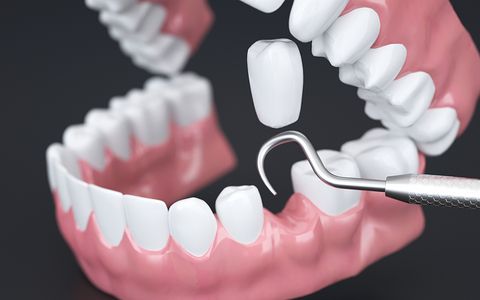
res.
- Facial support: Well-designed prosthetics can rejuvenate lip support and smile line, often shaving years off your appearance.
Who’s a good candidate
- You have many missing or failing teeth, or dentures you can’t tolerate.
- You’re in stable health with controlled conditions (e.g., diabetes managed, blood pressure stable).
- You’re willing to follow strict aftercare: no smoking, excellent hygiene, and a soft diet during healing.
What recovery feels like
- Discomfort is typically manageable with prescribed pain relief and cold compresses.
- Expect minor bruising or swelling for a few days.
- Most patients are comfortable walking, eating soft foods, and sleeping well by Day 3–4.
- You’ll receive clear guidance on rinsing, brushing around the bridge, and follow-up schedule.
Visa-free entry options for Kiwis
Entry policies can change, but New Zealand passport holders may access:
- 144-hour transit visa-free in select Chinese cities/regions, provided you’re transiting to a third country (not a simple return to NZ). This can suit short, tightly planned treatment trips near eligible ports of entry.
- Hainan 30-day visa-free access for NZ citizens, if you choose a clinic in Hainan Province.
Always confirm the latest rules, eligible ports, and documentation before booking. If a standard visa makes more sense for your itinerary, your clinic’s travel coordinator can usually assist with invitation letters and timing.
How to choose the right clinic
- Credentials and case volume: Ask for surgeon credentials, years of experience with All-on-4/6, and photo-documented before/after cases.
- On-site lab: In-house CAD/CAM capabilities speed up your 7-day plan and improve fit.
- Sterilization and anesthesia safety: Look for transparent infection control protocols and hospital-grade anesthesia oversight when indicated.
- Communication: English-speaking staff, detailed treatment consents, and written aftercare instructions are essential.
- Continuity of care: Ensure structured remote follow-ups, clear warranty terms for prosthetics, and coordination with your local NZ dentist.
Travel tips from New Zealand
- Flights: Auckland to Shanghai, Guangzhou, or other hubs can be about 12–14 hours direct or one-stop. Build in buffer time for rest before surgery day.
- Health prep: Manage medications, bring a summary from your GP, and inform the clinic about allergies. Smokers should stop well before surgery to support healing.
- Comfort: Pack a travel pillow, ice packs, and soft foods (protein shakes, yogurt, soups) for the first days post-op.
- Payments and paperwork: Bring your passport, copies of scans, and treatment plan. Check mobile payment options commonly used in China and ensure data roaming or a local SIM.
Aftercare back in NZ
Your dental team will set milestones for remote check-ins, bite assessments, and hygiene maintenance. If you’re receiving the final bridge in China, you’ll return for a short second visit once the implants have integrated. If completing locally, your NZ dentist and the Chinese lab coordinate records so your definitive prosthesis fits precisely.
Bottom line
For many Kiwis, full arch replacement in China offers a fast, tech-enabled path to a stable, natural-looking smile—often with a same-week fixed bridge that restores meaningful chewing power. With careful planning, the right clinic, and diligent aftercare, you can fly in, fix your bite in seven days, and fly home ready to enjoy food—and life—with confidence.
















