









Trans-Tasman Dental Forum Insights: Why Aussies & Kiwis Recommend Visa-Free China in 2026
If you’ve been watching the dental travel space from Australia or New Zealand, you’ve probably noticed a shift. At recent Trans-Tasman dental forums, clinicians, patient advocates, and travel coordinators kept circling back to the same headline: visa-free China in 2026 is a game-changer for Aussies and Kiwis considering dental care abroad. Not because of hype, but because the practical pieces—quality, access, speed, and aftercare—are lining up in ways that suit Antipodean travelers.
Why China is rising on the dental travel map
For years, Australians and New Zealanders have looked to regional hubs for dental work. The forum’s take is that China has quietly matured into a serious option thanks to three converging trends:
- Clinical capacity: Major cities now host multi-disciplinary dental centers under one roof—implantology, orthodontics, endodontics, periodontics, and cosmetic dentistry—supported by in-house labs and digital workflows.
- Technology adoption: Digital dentistry is standard in many clinics, from 3D scanning to guided implant surgery and chairside CAD/CAM restorations. This shortens turnaround times and improves predictability.
- Transparent pathways: Pre-trip video consults, detailed treatment plans, and English-speaking case coordinators have become the norm in top-tier clinics.
What visa-free entry changes in 2026
For forum participants, visa-free China in 2026 isn’t just about skipping paperwork—it reshapes planning:
- Faster decisions: Without consulate visits or long lead times, you can confirm a treatment window based on clinician availability, not visa appointment slots.
- Easier follow-ups: Need a quick review, final crown fitting, or aligner refinement? Short, spontaneous return visits become more realistic.
- Better for companions: Family or friends can tag along without the administrative friction, which matters if you prefer support during multi-visit treatments.
Quality, safety, and peace of mind
Aussies and Kiwis at the forum were clear: quality standards determine whether they recommend a destination. The clinics that earn word-of-mouth tend to share these traits:
- Verified credentials and specializations, with clinicians experienced in treating international patients.
- Documented sterilization protocols, traceable materials, and clear supplier information.
- Written treatment plans and informed consent documents in English, including timelines and alternatives.
- Coordinated aftercare with remote check-ins, image sharing, and referral letters you can bring to your local dentist if needed.
Tip from forum panelists: look for centers with recognized international or national accreditation, strong case libraries, and a dedicated international desk. Ask how they handle complications, whether they collaborate with local hospitals, and what’s included in post-procedure follow-up.
Where Aussies and Kiwis are heading
Participants most often mentioned Shanghai, Shenzhen, Guangzhou, Chengdu, and Beijing—cities with strong clinical ecosystems and convenient flight options. Each offers:
- Major hospitals and privat
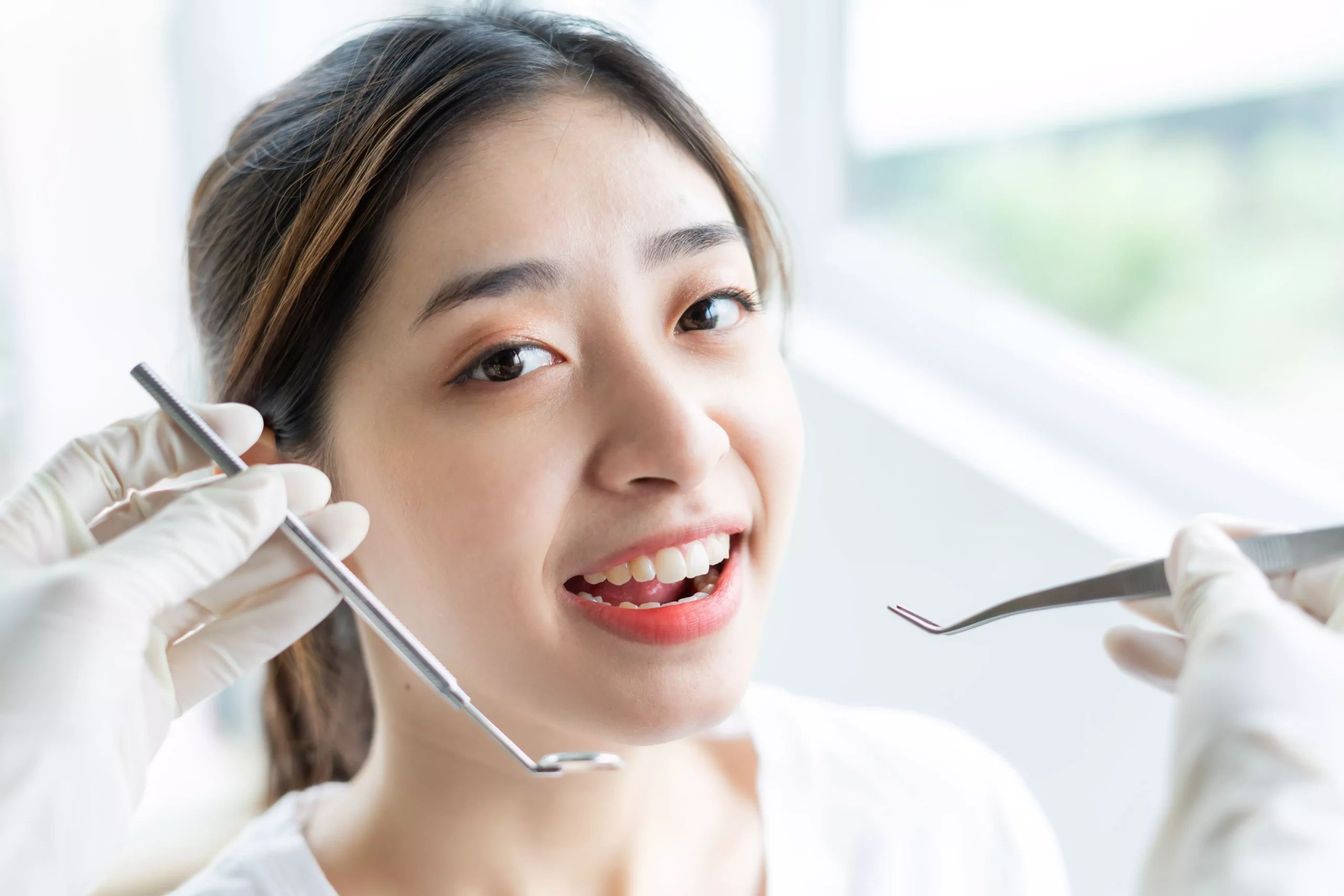
e dental networks with sub-specialty teams.
- Access to modern dental labs that can turn around restorations quickly.
- English-capable case coordinators and interpreters, particularly in clinics serving expats.
The patient journey, simplified
One reason the Trans-Tasman community is warming to China is the streamlined experience. A typical pathway looks like this:
- Pre-trip: Share recent x-rays, scans, and concerns via a secure portal. Receive a provisional plan and estimated appointment sequence.
- Arrival: Airport pickup and hotel close to the clinic. Same-day assessment and confirmation of the plan after new scans.
- Treatment: Digital impressions, surgical guides when indicated, and coordinated sessions that minimize downtime. Sedation options discussed in advance.
- Recovery and review: Scheduled rest days with gentle check-ins. Remote follow-up arranged before you fly home, with final instructions and records shared digitally.
Who this suits best
The forum consensus was that visa-free China in 2026 is especially attractive for:
- Complex or multi-disciplinary cases requiring coordination between specialists.
- Time-sensitive plans where lab and clinic capacity can compress timelines.
- Tech-forward treatments (digital smile design, guided surgery, aligner refinement) that benefit from on-site labs and imaging.
Practical planning notes for 2026
A little preparation goes a long way. Attendees shared these nuts-and-bolts pointers:
- Documentation: Bring prior dental records, a medication list, and any relevant medical history. Ask the clinic to provide treatment summaries and imaging you can take home.
- Insurance: Consider travel insurance that includes dental complication coverage, and clarify what documentation your insurer requires.
- Communication: Confirm English support and interpreter availability. Translation apps work well for daily life; clinics can handle medical terminology.
- Payments: International cards increasingly work with mobile wallets. Set up your preferred method before departure and keep a backup.
- Connectivity and logistics: An eSIM, a hotel near the clinic, and buffer days in your itinerary add comfort, especially after longer procedures.
- Timing: Check clinic hours around public holidays and plan travel to avoid peak domestic travel periods if you prefer quieter waiting rooms.
Why the Trans-Tasman crowd is optimistic
It comes down to alignment. Visa-free entry reduces friction just as China’s dental sector offers the scale, tech, and coordination that complex treatment plans demand. For Australians and New Zealanders balancing work schedules, family time, and health goals, the combination of accessible flights, consolidated care, and clear aftercare pathways is persuasive.
Final thought
If you’re weighing your options for 2026, start with a remote consultation and a side-by-side plan comparison. Use forum checklists—credentials, case examples, safety protocols, and aftercare clarity—as your filter. With visa-free China opening the door and a maturing clinical ecosystem behind it, Aussies and Kiwis have a compelling new route to quality dental care without the usual administrative hurdles.
















