









Cheapest Safe Country for Implants for Kiwis: Inside Chinas Regulated Implant Pricing
If you’re a Kiwi exploring affordable, safe options for dental implants, China has quickly moved to the top of the list. It’s not just about lower costs. What’s making waves with New Zealanders is China’s nationwide effort to regulate implant pricing while raising clinical standards. That combination—predictable costs, transparent packages, and modern dentistry—means Kiwis can plan care with fewer financial surprises and more confidence in outcomes.
Why Kiwis Look Overseas for Dental Implants
Back home, implants can be a big-ticket procedure, especially if you need multiple restorations or additional treatments like bone grafting. Going abroad used to feel risky: language barriers, unknown clinic quality, and uncertainty about what the bill would look like at the end. But medical travel has matured, and some destinations now offer a clear framework that prioritizes patient safety, transparent pricing, and internationally aligned standards. That’s where China stands out.
What “Regulated Implant Pricing” in China Actually Means
In recent years, Chinese authorities have introduced policies that standardize and supervise how dental implants are priced and delivered. In practical terms, this typically looks like:
- Clear, itemized packages that outline what’s included in your implant treatment (consultation, imaging, implant fixture, abutment, crown, and follow-ups).
- Procurement systems that encourage clinics to source high-quality implant systems at controlled costs.
- Oversight that discourages unexpected add-ons and makes price differences between clinics more understandable.
For a Kiwi patient, this can translate to fewer surprises, better comparability between providers, and the reassurance that clinics are playing by consistent rules.
Safety and Quality: More Than Marketing
Cost matters, but the real question is safety. China’s top dental centers often feature:
- International accreditation or adherence to global standards, with strict sterilization protocols and digital recordkeeping.
- English-speaking coordinators, translated consent forms, and streamlined case management for foreign patients.
- Advanced equipment such as 3D CBCT imaging, guided surgery technologies, and CAD/CAM crowns.
- Use of well-established implant systems with traceability, batch records, and documentation you can bring back to your dentist in New Zealand.
Not every clinic is equal, of course, which is why doing your homework is essential. But the regulated landscape can make it easier to vet providers and understand what you’re getting.
What the Typical Treatment Journey Looks Like
Every case is unique, but many Kiwi patients follow a similar path:
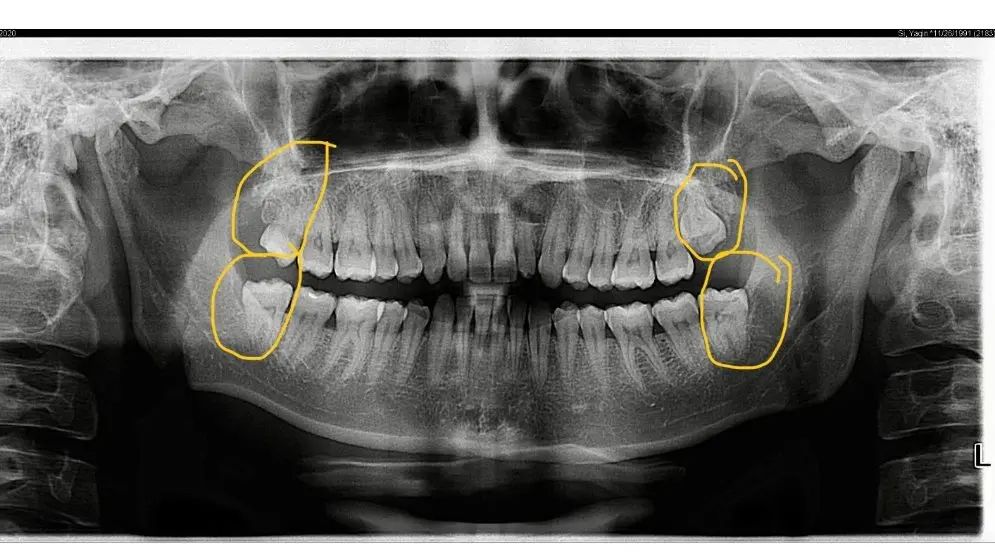
- Remote assessment: You share a recent dental X-ray or CT scan for an initial opinion. The clinic proposes a provisional plan and timeline.
- In-person consultation: On arrival, you get a comprehensive exam, 3D imaging, and a definitive treatment plan. This is where your package and inclusions are confirmed.
- Surgery phase: Placement of the implant fixture, and if needed, bone grafting or sinus lift. Some cases allow immediate temporary teeth, while others wait for osseointegration.
- Healing and restoration: After a healing period, you return for the abutment and crown. Some clinics can coordinate with your NZ dentist for the final restoration if timing is tight.
- Maintenance: Regular check-ups, hygiene visits, and nightguards if recommended. You’ll receive maintenance g
uidelines you can follow in New Zealand.
Choosing the Right Clinic in China
To minimize risk and maximize value, look for:
- Credentials: Oral and maxillofacial surgeons or implant dentists with verifiable training, memberships, and case portfolios.
- Transparent packages: A written plan spelling out what’s included, potential extras (e.g., grafting), and the follow-up schedule.
- Implant system quality: Recognized, traceable systems with global support and warranty-like assurances for fixtures.
- Aftercare plan: A clear roadmap for check-ups, what happens if you have complications, and coordination with a New Zealand dentist.
- Communication: English support before, during, and after treatment, including telehealth follow-ups.
Where to Go: China’s Major Hubs for Dental Care
Cities like Shanghai, Shenzhen, Guangzhou, Chengdu, and Beijing have well-established clinics catering to international patients. These hubs offer:
- Large hospitals and specialized dental centers with robust implant departments.
- Convenient flight connections from Auckland or Christchurch via popular transit points.
- Access to hotels near medical districts, plus translation and transfer services arranged by clinics.
Travel and Timing Tips for Kiwis
- Visas and appointments: Secure your treatment dates before applying for a visa and book enough time for post-op checks.
- One trip or two: Depending on your case, you might complete the entire process in one extended visit, or split surgery and restoration across two shorter trips.
- Insurance: Check if your travel insurance covers medical complications. Some clinics offer limited guarantees on implant fixtures or crowns—get this in writing.
- Records: Bring your dental history and share your NZ dentist’s details so the Chinese clinic can coordinate aftercare.
How Regulation Helps Manage Risks
Complications can happen anywhere, but China’s regulated pricing ecosystem nudges clinics toward standardized protocols and transparent communication. Itemized packages reduce the chance of hidden fees. Procurement oversight helps ensure the implants are properly sourced and documented. And because clinics compete on service, many have stepped up with patient coordinators, multilingual support, and clear policies for follow-up.
What About Long-Term Care Back in New Zealand?
A good Chinese clinic will provide:
- A complete treatment summary, including brand and dimensions of your implant, lot numbers, and radiographs.
- Home-care instructions, hygiene intervals, and bite-check recommendations.
- Guidance for your NZ dentist, so they can perform routine maintenance with full knowledge of the system used.
The Bottom Line for Kiwis
China’s mix of regulated implant pricing, modern clinical capabilities, and international patient infrastructure makes it one of the most compelling destinations for dental implants today. While no medical trip should be taken lightly, the transparency and consistency built into China’s system can give New Zealanders more control over both cost and care quality.
Quick checklist before you book:
- Verify credentials and case photos.
- Confirm package inclusions and timelines in writing.
- Ask about implant system traceability and global support.
- Plan for aftercare and share records with your NZ dentist.
- Ensure clear English communication and telefollow-up options.
For Kiwis weighing affordability against safety, China’s regulated approach helps bridge the gap—delivering predictable implant journeys without cutting corners on standards that matter.
















