









Dental Work in Vietnam vs. China for NZ: Same Low Prices, Hospital-Grade Standards in China
If you live in New Zealand and you’ve been considering dental work overseas, you’ve probably heard a lot about Vietnam. It’s affordable, it’s friendly, and the dental tourism scene is well established. What many Kiwis don’t realize is that China can offer similarly low prices while bringing hospital-grade standards and university-backed expertise to the table. Here’s a clear, conversational comparison to help you decide which destination fits your needs, your comfort level, and your travel plans.
Why Kiwis look overseas for dental care
Big treatments like crowns, implants, full-mouth restorations, or orthodontics can add up quickly, and clinic waitlists at home can stretch longer than you’d like. Traveling abroad can deliver fast scheduling, modern equipment, and budget-friendly packages. Both Vietnam and China are strong contenders in this space, each with distinct advantages worth weighing.
Cost and value, without the guesswork
It’s no secret that Vietnam has built its reputation on accessible pricing. The key takeaway for New Zealanders is that major Chinese cities now match that affordability for a wide range of procedures. The difference often comes down to what’s included: consultation time, imaging, lab fees, anesthesia options, and aftercare. When comparing quotes, ask for a written plan that lists every step, any optional upgrades, and the expected timeline. Transparent treatment plans are the foundation of a stress-free trip, wherever you go.
Care standards: private clinic model vs. hospital-grade environment
Vietnam’s dental tourism grew around high-performing private clinics in tourist hubs like Ho Chi Minh City and Hanoi. Many of these clinics are modern, use recognizable materials, and have experience with foreign patients. Quality can be excellent, but there’s variation—your job is to choose carefully.
China’s edge is its hospital-grade infrastructure, especially in large cities. Many dental departments sit inside comprehensive hospitals or university dental schools with centralized sterilization, strict infection control protocols, and multi-specialty teams on site. That means an oral surgeon, prosthodontist, radiologist, and anesthetist can collaborate under one roof when needed, which is reassuring for complex cases like bone grafts, sinus lifts, or full-arch implant work. For routine treatments, private clinics also thrive, but the option to be treated in a hospital setting is a powerful safety net.
Technology and materials
Whether you’re looking at Vietnam or China, modern clinics increasingly use digital dentistry: 3D scanning, CBCT imaging for implant planning, CAD/CAM restorations, and guided surgery. Ask about the specific materials and brands for implants, crowns, and veneers, and request a lot number or documentation for your records. It’s a simple step that ensures traceability and peace of mind once you’re back in NZ.
Communication and comfort
English-language support is a must for most international patients. Vietnamese clinics in tourist areas often have front desk teams and dentists who speak English. In China, large hospital dental departments and international clinics typically provide English-speaking staff, printed consent forms, and bilingual instructions. If you prefer detailed, written communication at every stage, that’s a strong reason to include Chinese hospital dental centers in your shortlist.
What treatments fit each destination best
Both countries can deliver everyday restorative care, cosmetic dentistry, and or
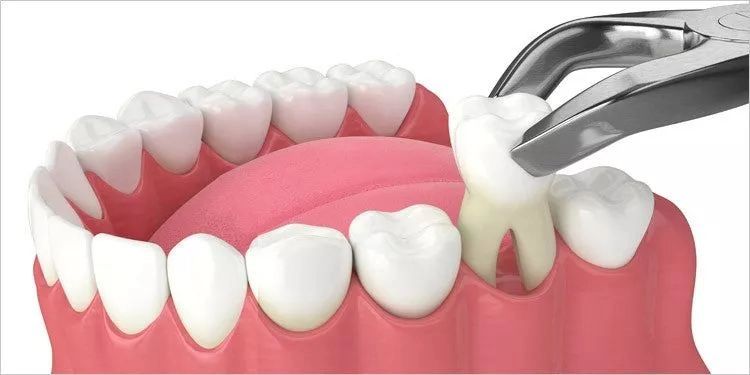
thodontics. For veneers, whitening, and single crowns, you’ll find plenty of capable providers across Vietnam and China. If you anticipate advanced surgery, medically complex case management, or you want the reassurance of on-site emergency facilities, China’s hospital-based dentistry is hard to beat. Think of it as leveling up the clinical environment without giving up affordability.
Travel logistics from NZ
Flights to Vietnam’s major cities are straightforward, and visa options are familiar to many Kiwis. China offers numerous entry points—Shanghai, Beijing, Guangzhou, Shenzhen, Chengdu—with extensive hospital networks and international clinics. Check current visa requirements, confirm appointment availability before booking flights, and set aside buffer days for healing, especially if you’re planning implants or multiple crowns.
Scheduling and timelines
Efficient providers will offer video consults, request your recent x-rays, and outline a realistic timetable. Single-visit crowns with CAD/CAM can be completed in a day. Veneers typically need a few days to trial and refine. Implants are often staged: initial placement, healing period, then restoration. You’ll want to understand whether your case can be finished in one trip or requires a planned follow-up. In both Vietnam and China, careful scheduling reduces stress and avoids cutting corners.
Safety, pain control, and sedation
Local anesthesia and mild sedation are common options. If you’re nervous, ask about monitoring standards during sedation and emergency response protocols. In China’s hospital settings, anesthesia services and recovery rooms offer extra layers of safety. In Vietnam’s top-tier clinics, experienced teams follow international guidelines as well—just confirm specifics during your consult.
Aftercare and support once you’re home
Good clinics will give you post-op instructions, medication guidance, and a direct line for questions. Many now provide telehealth follow-ups to check healing and bite alignment. Some offer limited warranties on crowns or implants, with clear conditions. Coordinate with your NZ dentist for routine maintenance, and keep all records, scans, and material details for future reference.
Hidden costs to consider
Even with low treatment fees, remember travel-related expenses: flights, accommodation near the clinic, local transport, time off work, and potential lab remakes if you change your aesthetic preferences mid-treatment. A realistic plan avoids surprises and keeps your total outlay aligned with expectations.
How to choose the right clinic
Compare credentials, experience with international patients, sterilization protocols, imaging capabilities, and case portfolios. Ask for a step-by-step treatment plan, consent forms in English, and a clear breakdown of what happens if complications arise. The best clinics in both Vietnam and China will gladly walk you through these details.
The bottom line for NZ patients
Vietnam remains a proven, budget-friendly destination with plenty of skilled private clinics. China matches the low prices while adding hospital-grade standards, academic backing, and multi-specialty support that many Kiwis find reassuring—especially for complex work. Your best choice depends on what matters most to you: the vibe of a dental holiday in a tourist hub, or the confidence that comes from hospital-based dentistry with comprehensive resources. Either way, plan carefully, verify credentials, and prioritize clear communication. That combination, more than the destination itself, is what delivers a comfortable experience and long-lasting results.
















