









Dental Implants in China (Via Hong Kong): Fast-Track Implant Care for Kiwis
Thinking about dental implants but don’t want a drawn-out process? For many Kiwis, routing implant care through Hong Kong into mainland China is a smart, streamlined path that balances convenience, quality, and efficiency. With direct flights from New Zealand to Hong Kong, smooth cross-border transport to cities like Shenzhen and Guangzhou, and clinics geared to international standards, you can plan implant treatment around your schedule without compromising on outcomes.
Why choose China via Hong Kong
- Easy access: Hong Kong is a major aviation hub with frequent flights from Auckland and other NZ cities. Most New Zealand passport holders can enter Hong Kong visa-free for short stays, and the high-speed rail or cross-border transport makes it simple to reach mainland dental centres nearby.
- Efficient timelines: Clinics serving international patients are accustomed to condensing appointments into fewer, longer sessions and coordinating lab work rapidly. That means less time away from home.
- High standards: Top centres use CBCT 3D scans, digital planning, and guided surgery. Many surgeons have international training, and labs often use CE/FDA-approved materials and ISO-certified workflows.
- Language and support: English-speaking staff, patient coordinators, and clear treatment plans help demystify each step, from consultation to aftercare.
- City convenience: With clinics close to hotels, malls, and transport, you can recover comfortably and keep logistics simple.
How a fast-track implant pathway typically works
- Pre-trip preparation: Before you book, you’ll have a virtual consultation and share recent dental X-rays or a CBCT scan if available. The clinic reviews your medical history, medications, and goals to confirm candidacy and map out a realistic timeline.
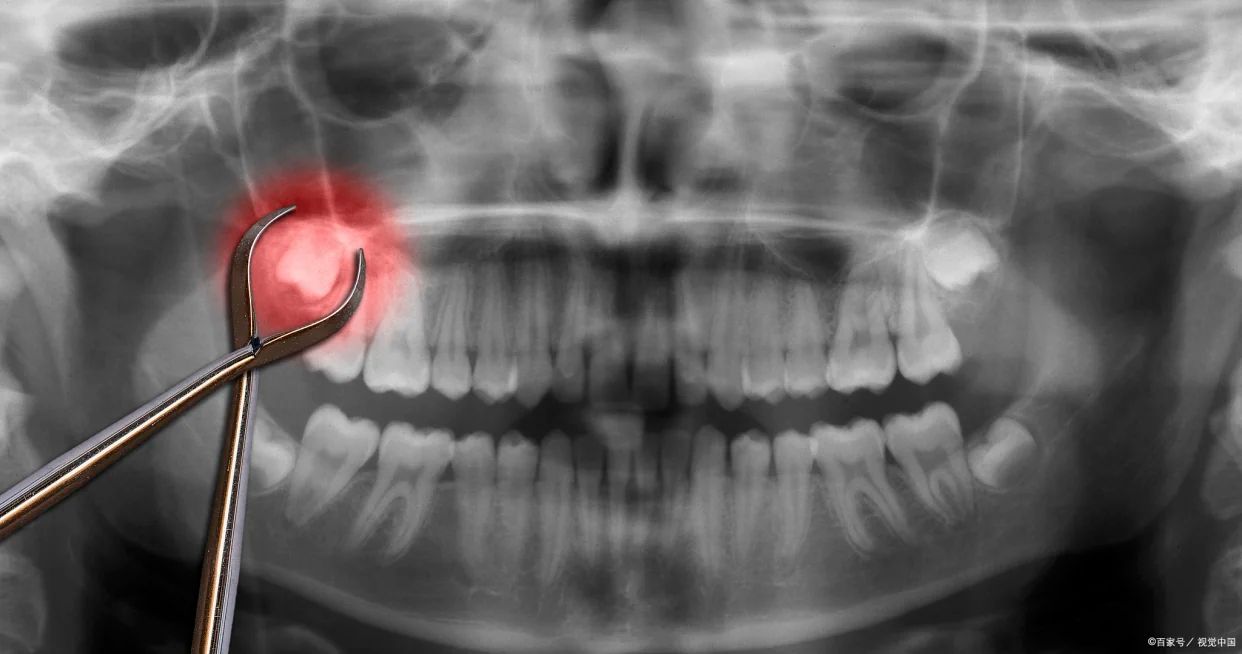
- On-site diagnostics: Your first in-clinic appointment includes a CBCT scan, oral exam, and digital impressions. The team plans implant positioning with surgical guides for accuracy and safety.
- Implant placement: Most single or multiple implants can be placed in one surgical session under local anaesthesia, with sedation if appropriate. If your case allows immediate loading, a temporary crown or bridge may be fitted on the same or next day; otherwise, a healing cap is placed.
- Healing phase: Bone integrates with the implant over several months. Many patients return home during this period and come back later for the final crown or bridge. Your clinic will give a clear schedule and coordinate remote check-ins.
- Final restoration: During your second visit, the abutment and custom crown or bridge are fitted. Digital scans and local labs help speed up fabrication so you can complete the process in days, not weeks.
A realistic timeline for Kiwis
Trip 1 (typically 3–5 days):
- Day 1: Consultation, scans, and treatment planning
- Day 2: Implant surgery (single or multiple implants)
- Day 3–4: Post-op review, suture check, and, if applicable, fitting of temporary restorations
- Fly home when comfortable per your surgeon’s guidance
Healing period:
- Usually 8–16 weeks depending on bone quality and complexity
- Remote check-ins and local dental hygiene support back in New Zealand
Trip 2 (typically 5–7 days):
- Day 1: Impression or digital scan for the final crown/bridge
- Day 2–4: Try-in and adjustments as needed
- Day 5–7: Final fit, occlusion check, and bite adju
stments; receive aftercare plan
If bone grafting or sinus lifts are required, expect longer healing windows and possibly an additional short visit. Your clinic will outline the variables before you travel.
Quality and safety you can verify
- Technology: Ask about CBCT imaging, guided surgery, intraoral scanning, and digital design. These help improve precision and shorten visits.
- Materials: Look for reputable titanium implant systems and ceramic or hybrid restorations from recognized brands.
- Sterilization and protocols: Confirm infection control standards and sedation practices. Reputable clinics should clearly explain their workflows and share credentials.
- Experience: Choose surgeons with implant-specific training and a strong portfolio. Patient reviews and before/after cases add context.
Travel logistics made simple
- Entry and documents: Check current entry rules for Hong Kong and mainland China and arrange any required visas in advance. Keep medical records and a meds list handy.
- Getting to clinic: High-speed rail and cross-border transport from Hong Kong to Shenzhen or Guangzhou are frequent and quick. Many clinics offer airport or station pickup.
- Accommodation and recovery: Book a hotel near the clinic for easy follow-up. After surgery, plan light activities, soft foods, and rest. Avoid smoking and strenuous exercise as advised.
- Insurance: Consider travel insurance that covers medical travel and changes. Ask your clinic about treatment warranties and how they assist if issues arise later.
- Companion: If you’re anxious or having multiple implants, bringing a companion for support can make the journey smoother.
Aftercare back in New Zealand
Implants need the same diligent care as natural teeth. Brush twice daily, use interdental brushes, and see a hygienist regularly. Your implant clinic will share a maintenance plan and collaborate with your local dentist for routine checks. If anything feels off—such as persistent soreness or a change in bite—contact both your NZ dentist and the overseas clinic promptly.
Who is a good candidate for fast-track implants
- Healthy gums and adequate bone volume, or willingness to undergo grafting if needed
- Non-smokers or those committed to quitting for better healing
- Well-managed medical conditions and a clear medication history
- Realistic expectations about timelines, healing, and maintenance
Common questions Kiwis ask
- Is it safe to do implants abroad? With the right clinic, modern tech, and strict protocols, implant care can be very safe. Do your due diligence—verify credentials, materials, and post-op support.
- Can I get teeth in a day? Immediate temporaries are possible in selected cases. Final, permanent restorations generally follow after healing to ensure long-term success.
- How long should I stay for the first trip? Many single-implant cases fit into 3–5 days, but complex treatments may need a bit longer. Your pre-trip consult will set expectations.
- What if I need help back home? Reputable clinics provide clear aftercare plans and coordinate with NZ dentists. Keep all records so local providers can assist if needed.
When planned well, dental implants in China via Hong Kong turn a traditionally lengthy process into a focused, well-supported experience. You get modern dentistry, efficient scheduling, and a travel route that fits the Kiwi way of doing things—practical, reliable, and geared toward getting you smiling again sooner.
















