









Cheap Dental Implants in China for Kiwis: Genuine European Titanium Without NZ Markups
If you’re a Kiwi considering dental implants, chances are the price quotes at home have made you look for alternatives. That’s why more New Zealanders are exploring dental tourism in China, where modern clinics, international-grade materials, and experienced surgeons can deliver reliable results—without the familiar New Zealand markups. The key is knowing how to assess quality and plan your trip so you feel confident from the first video consult to your final check-up.
Why China is on Kiwi shortlists
- Genuine European titanium: Many reputable Chinese clinics use CE-marked, ISO-certified implant systems sourced from Europe. Ask for documentation to confirm origin and lot numbers; trustworthy providers will happily share these details.
- Modern tech and training: You’ll find CBCT imaging, digital impressions, guided-surgery software, and on-site labs in major cities. Many surgeons have international fellowships or memberships in recognized implant societies.
- Value without compromise: Lower overheads and competitive lab costs mean you’re largely paying for skill, materials, and time—not layers of domestic markups.
- Convenient timing: With flexible scheduling and short wait lists, you can align surgery with your travel plans rather than the other way around.
What “quality” looks like in practice
Quality isn’t a promise; it’s a checklist. Before you book, look for:
- Clear credentials: Surgeon registration, years of implant experience, and case photos with written consent. Clinics that treat expats typically have English-speaking coordinators and transparent bios.
- Verifiable materials: Brand and country of origin for implants, abutments, and prosthetics. Ask for an implant passport or sticker sheet for your records back in New Zealand.
- Safety protocols: Sterilization standards, single-use components, pre-op screening, and radiation safety for imaging. Some hospitals and clinics hold international accreditations; if they do, they’ll list them prominently.
- Comprehensive planning: A written treatment plan that outlines steps, timelines, and contingencies (e.g., what happens if bone grafting is needed).
A typical implant journey for Kiwis
Every mouth is unique, but most journeys follow a similar rhythm:
1) Remote assessment: You share a panoramic X-ray or CBCT, dental history, and goals. Many clinics will arrange a video call to walk through options and answer questions.
2) First visit: Clinical exam, imaging, and surgical placement of the implant. If your bone is healthy, surgery can be straightforward. If grafting is required, your dentist will discuss additional healing time.
3) Healing: Osseointegration usually takes a few months. Some cases qualify for immediate temporary teeth, but your dentist will decide based on stability and bite forces.
4) Second visit: Abutment placement and crown fitting, with bite adjustments and aesthetic checks.
5) Ongoing care: Regular hygiene and annual check-ins—sometimes via your local NZ dentist with digital updates sent back to the surgeon.
How to choose the right clinic
- Ask the hard questions: Which implant systems are used? Are they European titanium with traceable batch numbers? How many implants does the surgeon place annually? What’s the protocol if complications arise?
- Review real cases: Look for cases similar to yours (single tooth, multiple implants,
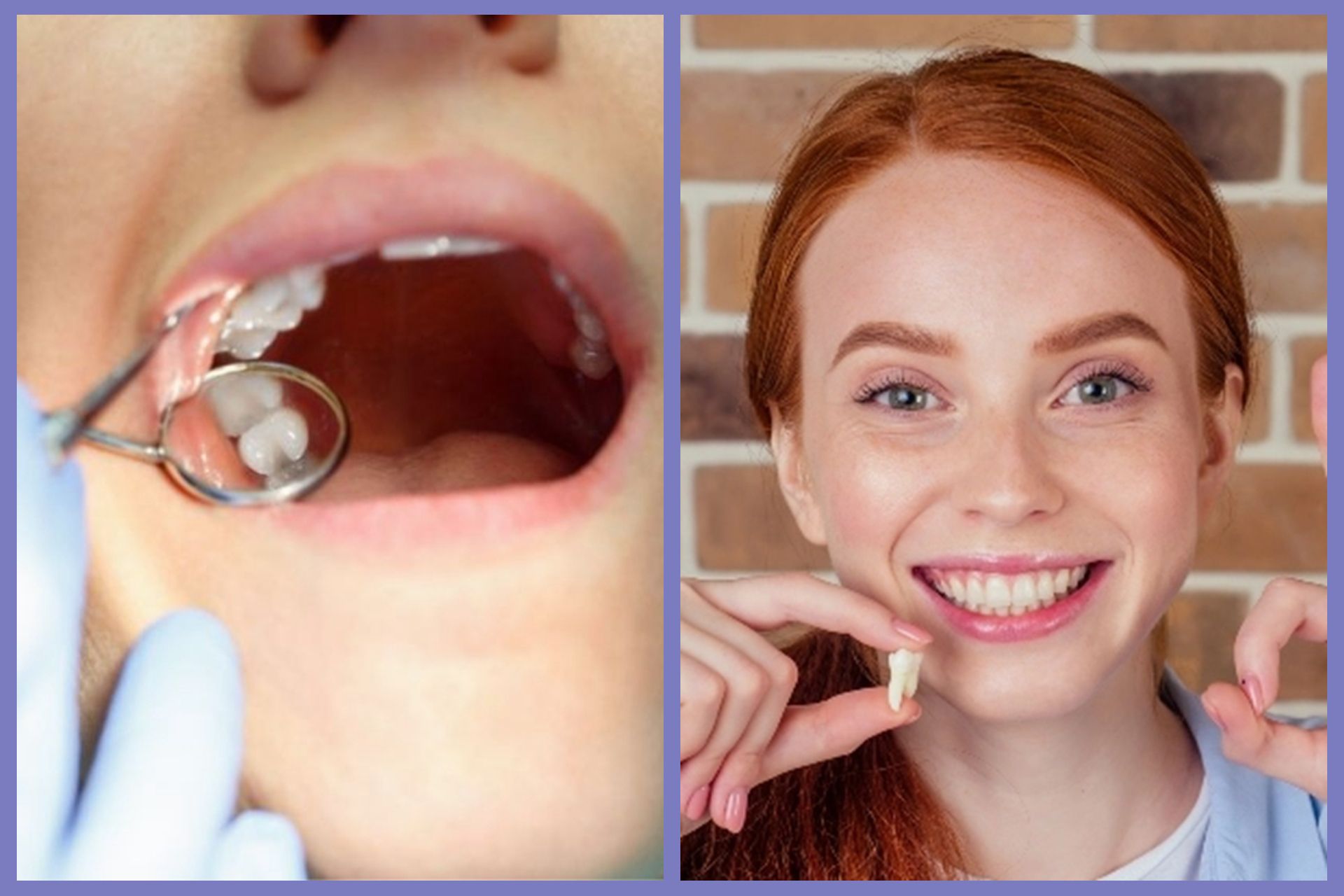
or full-arch solutions) with before-and-after images and treatment notes.
- Clarify aftercare: You should receive written post-op instructions, a schedule for check-ups, and an emergency plan. Confirm how the clinic supports you once you’ve returned to New Zealand.
- Insist on documentation: Take home your imaging, surgical notes, and implant passport so your NZ dentist can support you long-term.
Travel logistics for New Zealanders
- Timing: Book enough time for a thorough consult, surgery, and initial healing checks. Many Kiwis plan a long weekend for assessment and surgery, then a follow-up a few days later before flying home.
- Visas and flights: Check the latest visa requirements on official channels and plan flights into major hubs like Shanghai, Beijing, Guangzhou, or Shenzhen for the widest clinic options.
- Accommodation: Choose a hotel near the clinic to keep travel minimal post-surgery. Avoid heavy sightseeing right after placement; soft foods and rest are your friends.
- Insurance: Consider travel insurance that covers medical travel and trip changes. Keep all receipts and medical summaries.
Cost clarity without price tags
Even without quoting numbers, it helps to know what influences overall value:
- Number of implants and complexity of the case
- Need for bone grafting or sinus lifts
- Type of abutment and crown material
- Diagnostic imaging and sedation preferences
- Follow-up visits and any temporary restorations
The big advantage in China is that you can access genuine European titanium implants and modern lab work without paying layers of domestic overheads. Transparent clinics will itemize your plan so you see exactly what you’re getting.
Red flags to avoid
- Vague answers about implant brands or origin
- No imaging or minimal diagnostics before surgery
- Pressure to pay quickly without a written plan
- No consent forms, no sterilization details, or no post-op instructions
- Guarantees that sound too good to be true
Aftercare back in NZ
Your implant’s long-term success depends on home care and professional maintenance:
- Share your records: Give your NZ dentist the imaging, implant passport, and surgical notes.
- Keep it clean: Floss, brush, and use interdental aids recommended for implants.
- Attend check-ups: Routine exams allow early detection of issues like peri-implant inflammation.
- Lifestyle factors: Smoking, uncontrolled diabetes, or bruxism can jeopardize implants. Discuss protective measures like night guards if you grind.
Is getting implants in China right for you?
For many Kiwis, the combination of genuine European titanium, skilled surgeons, and the absence of NZ markups makes China a compelling option. That said, complex medical histories, extensive grafting needs, or difficulty returning for follow-up may tip the balance toward local care. The best decision is the one informed by a clear plan, verifiable materials, and clinicians you feel comfortable with.
Next steps
- Gather your recent dental X-rays and a brief health history.
- Shortlist two or three clinics, focusing on transparency and documentation.
- Schedule video consultations to compare plans, timelines, and communication styles.
- Choose the team that earns your trust—on paper and on the call.
With careful vetting and thoughtful planning, Kiwis can secure affordable, high-quality dental implants in China—complete with genuine European titanium and none of the familiar New Zealand markups.
















