



Dental Implants Thailand Reviews for Kiwis: Why Direct Flights to HK & China Beat Thailand
If you’re a Kiwi researching dental implants, chances are your search results are full of “Thailand dental implants reviews.” Thailand has long been a go-to for medical tourism, and many New Zealanders have had good outcomes there. But there’s a growing conversation among Kiwis that’s easy to miss: direct flights to Hong Kong and major Chinese hubs can make the whole dental implant journey smoother, faster, and easier to manage than flying to Thailand via multiple connections. Here’s a practical, down-to-earth look at why.
What Kiwis really say in Thailand reviews
Reading through dental implants Thailand reviews, common themes pop up. People love the hospitality, the beachy downtime, and the familiarity of tourist areas. English is widely spoken in clinics that cater to international patients, and you can build a holiday around the treatment. That’s the upside.
The flip side is logistics. Many Kiwis report long travel days with layovers, changing planes, and arriving late feeling dehydrated and tired—none of which is ideal before or after oral surgery. Another recurring point in those reviews is aftercare: implants aren’t a single appointment; they require a timeline with possible return visits for checks, abutments, and crowns. When follow-ups mean another set of connecting flights across time zones, the convenience factor drops quickly.
Why direct flights to Hong Kong and China beat Thailand
For Kiwis, direct flights change everything. Auckland to Hong Kong has regular nonstop options, and in many seasons there are direct or very straightforward routes to major Chinese cities. Fewer transfers mean less stress on your body and less risk of delays. When your mouth is healing, avoiding extra hours in airports is a real win.
It’s not just the trip there—it’s the return trips. Dental implants involve stages: consultation and imaging, placement, healing (osseointegration), and then abutment and crown. Clinics will tailor the timeline, but it’s common to need at least two visits spread over several months. If you can get to Hong Kong or a Chinese hub on a single flight, booking a quick follow-up is far easier than planning another multi-stop journey to Thailand. That matters when you’re juggling work, family, and a recovery plan.
Clinic density and technology
Hong Kong and Tier-1 Chinese cities have dense clusters of dental clinics and hospitals, including practices focused on implantology. Many advertise comprehensive imaging with CBCT (3D scans), digitally guided surgery, and in-house or closely partnered labs that streamline abutment and crown fabrication. That integration can shave days off waiting and reduce the number of appointments.
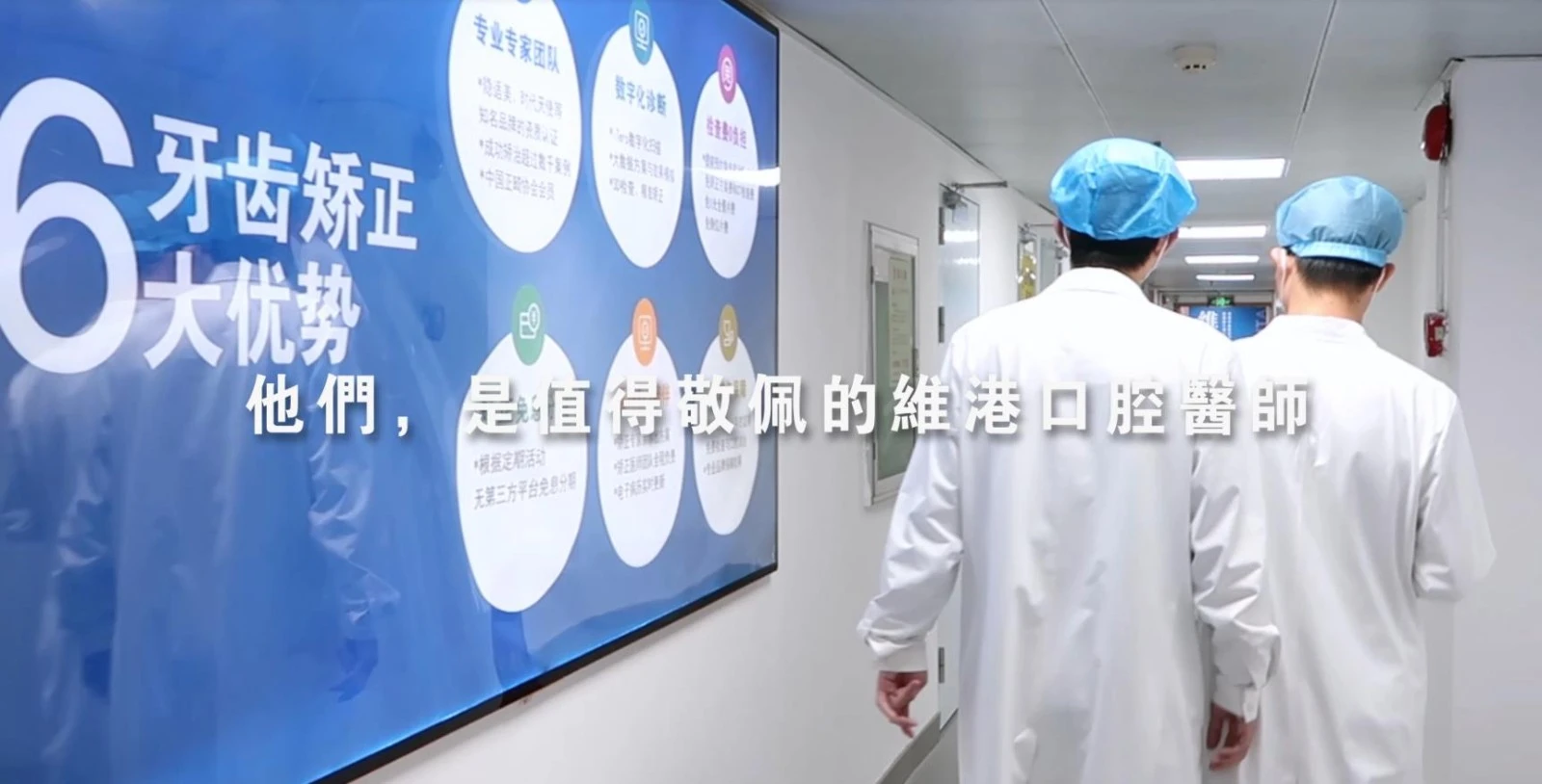
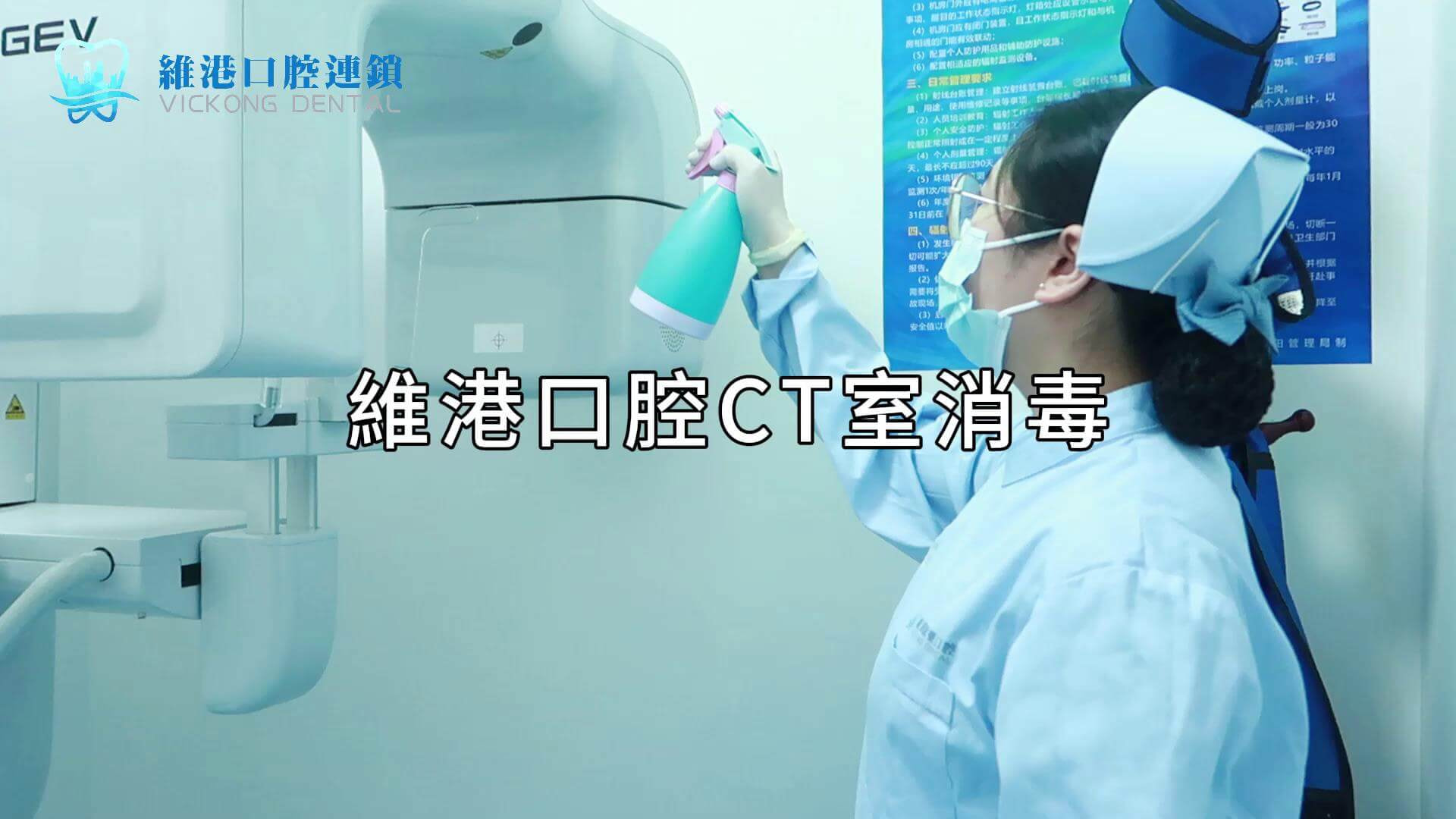
You’ll also find experienced teams—prosthodontists and oral surgeons—who place implants daily, familiar with international implant systems, and who are used to coordinating with overseas patients. Infection control, sterilization protocols, and documentation standards tend to be formalized and transparent; clinics know you’re making choices from abroad and often provide detailed treatment plans ahead of time.
Communication and coordination
If you’re worried about language, Hong Kong is an easy sell: English
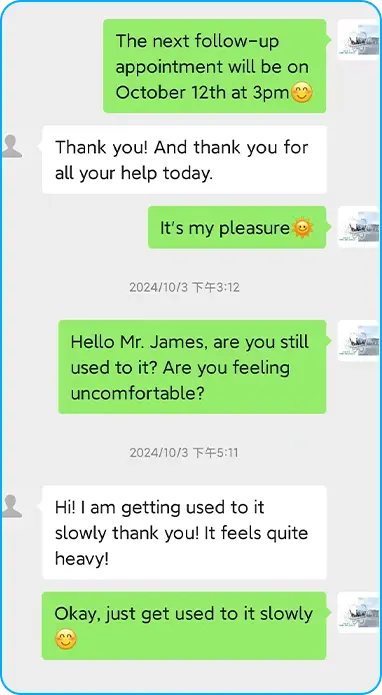
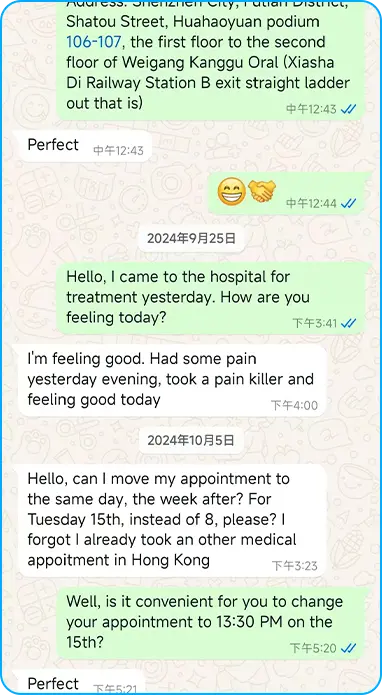
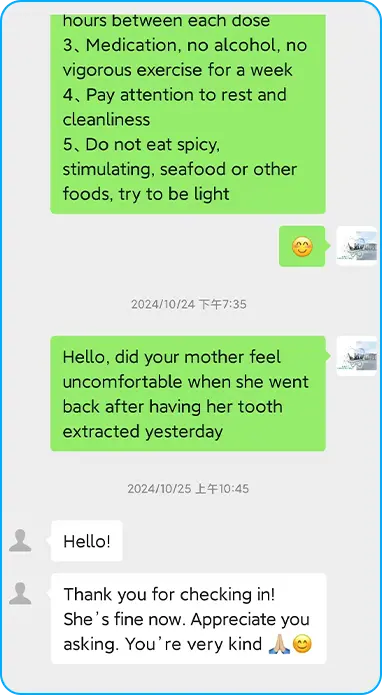
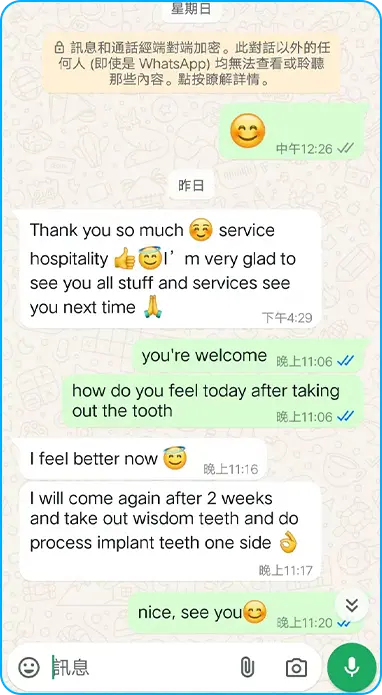
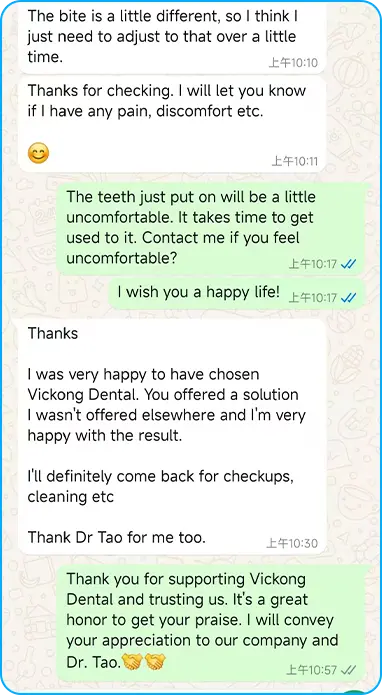
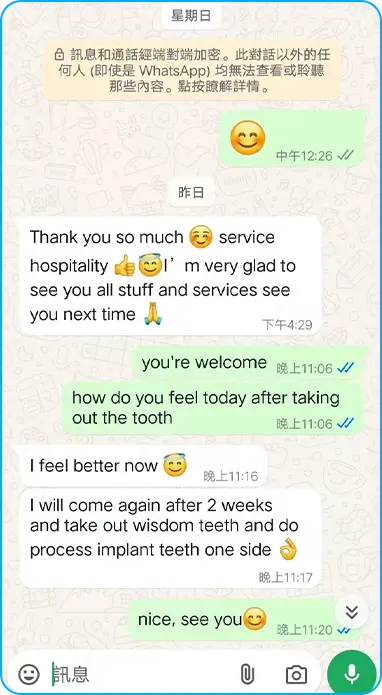
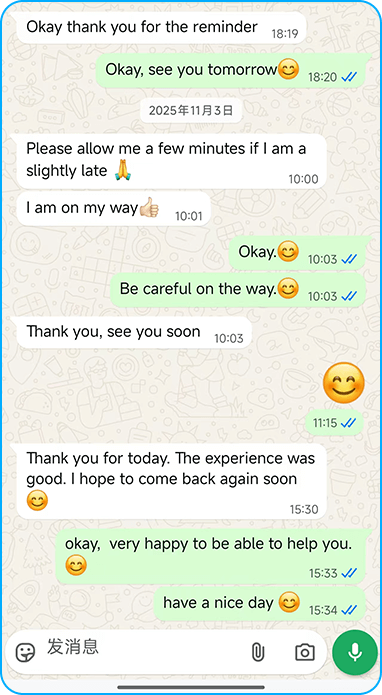
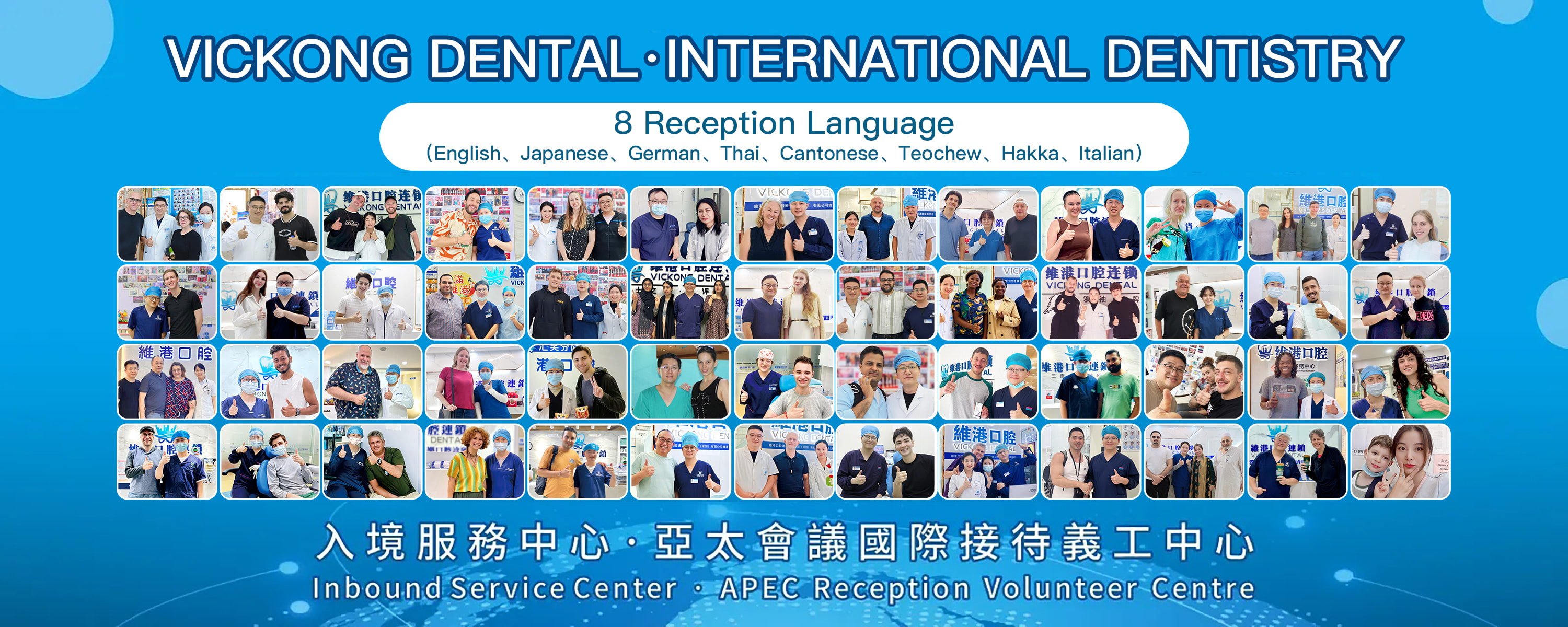
is widely used, paperwork is straightforward, and international patient coordinators are common. In China’s major cities, many clinics serving overseas patients have bilingual staff and are comfortable arranging video consults, sharing imaging, and discussing options before you fly. WhatsApp, WeChat, email—most clinics run on the same digital channels Kiwis use.
That pre-trip coordination means you’re more likely to arrive with a clear timetable: scan on day one, placement on day two, review on day three, and rest before flying home. Fewer surprises, tighter schedules, less time off work.
Travel comfort and recovery
Direct flights reduce total seat time, improve the odds of daytime arrivals, and cut down on the dehydration and fatigue that make recovery tougher. Hong Kong’s transport is effortless, and staying near a clinic is easy in compact districts. In Chinese hubs, modern hotels and serviced apartments are plentiful, and food options for a soft diet—soups, congee, tofu, steamed fish—are everywhere. That soft, nutritious diet can make your first week post-surgery a lot more comfortable.
Entry requirements and planning
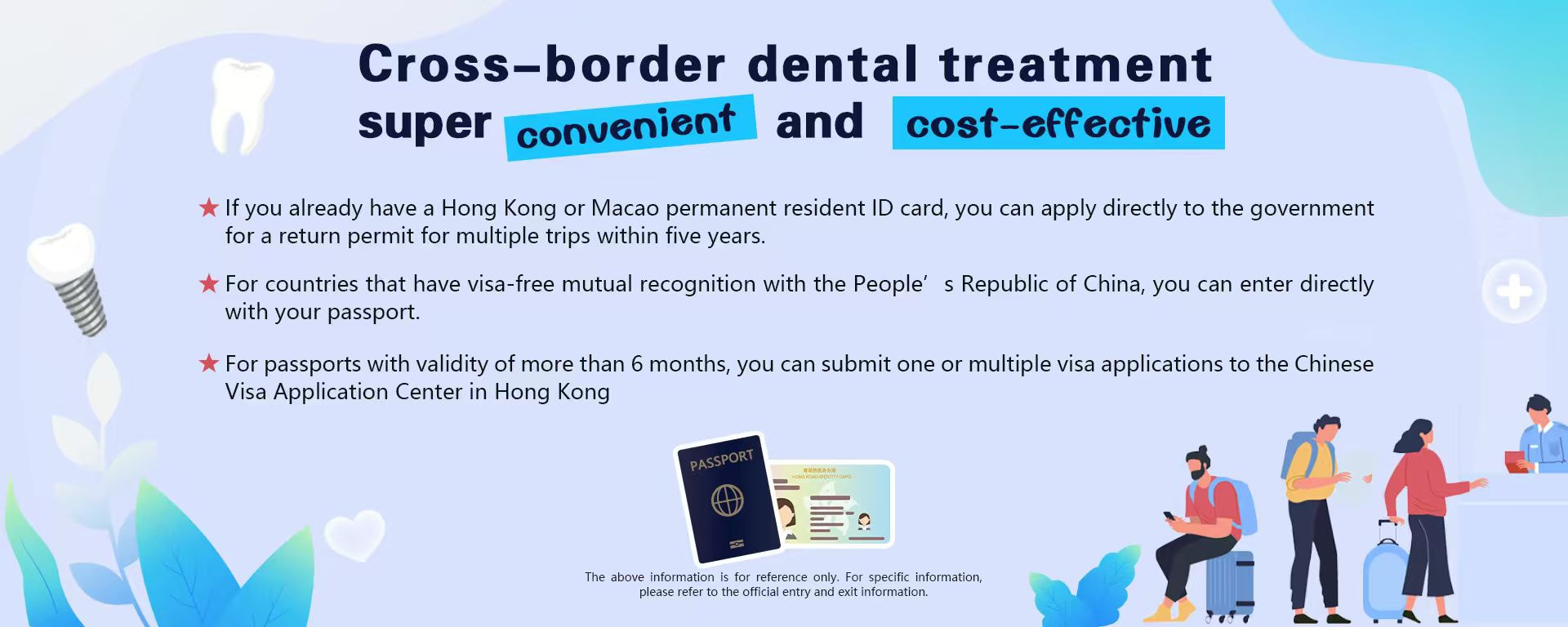
Entry policies change, so always check the latest rules for New Zealand passport holders before you book. What Kiwis consistently value is predictability: clear immigration guidance, reliable schedules, and the ability to plan short, focused medical trips without adding a holiday-length stay unless they want one. When your implant plan calls for a quick touch-down-and-go, Hong Kong and China often fit better than a long, multi-leg journey.
How to choose a clinic in Hong Kong or China
- Ask for a full timeline detailing each stage (scan, placement, healing, abutment, crown) and the expected number of visits.
- Request examples of similar cases, including before/after photos and notes on bone grafts or sinus lifts if relevant.
- Confirm the imaging available (CBCT) and whether they use guided surgery for complex placements.
- Clarify the implant systems they work with and the maintenance or warranty policies.
- Check infection control protocols and sterilization standards, and ask how they manage complications or emergencies.
- Confirm language support and whether you’ll have a dedicated coordinator for scheduling and follow-up.
- Plan your travel around rest days: arrive, consult, rest; surgery; recovery; final check; fly.
A balanced take for Kiwis weighing dental tourism
Thailand isn’t “wrong” for dental implants—it remains popular for good reasons, and many Kiwis leave satisfied. But when you factor in real-world logistics, direct flights to Hong Kong and China often beat Thailand for dental implants, especially if you anticipate multiple visits or simply prefer short, predictable travel. You get dense networks of implant-focused clinics, advanced digital dentistry, familiar communication, and the ability to pop over for a follow-up without losing a week to transit.
If you’re reading dental implants Thailand reviews and feeling torn, map out your actual timeline and flight paths. For many New Zealanders, the easiest route to a healthy smile is the one with the fewest steps—and that frequently means heading north on a direct flight to Hong Kong or a major Chinese city rather than connecting through to Thailand.