









Dental Tourism New Zealand 2026: Why Kiwis Are Choosing Visa-Free China (Via Hong Kong)
If you’ve heard friends whispering about quick trips to Asia for a brighter smile or a stronger bite, you’re not alone. Dental tourism has become a practical, mainstream choice for many New Zealanders, and in 2026 one route stands out: flying into Hong Kong visa-free and continuing on to Mainland China. Between streamlined entry options, modern clinics across the Greater Bay Area, and the convenience of Hong Kong as a gateway, more Kiwis are pairing travel with treatment—and coming home with renewed confidence.
Why Hong Kong-plus-China is the sweet spot
- Visa-friendly logistics: New Zealand passport holders enjoy visa-free entry to Hong Kong for short stays, which makes it a stress-light first stop. From there, travelers have multiple ways to reach Mainland cities like Shenzhen and Guangzhou, including high-speed rail and cross-border buses. Some Kiwis leverage China’s transit-without-visa policies (including 72- and 144-hour schemes in designated regions) when their flight routing meets the requirements. Policies evolve, so check the latest official guidance before you book, but the combination of Hong Kong’s easy access and Mainland transit options is a major draw.
- Dense network of dental hubs: The Greater Bay Area is home to thousands of dental clinics, from boutique practices to large chains. Shenzhen and Guangzhou, in particular, have built reputations for digital dentistry, aesthetic restorations, and complex restorative work—making them ideal for targeted treatment trips.
- Shorter wait times: If you’ve been delayed getting an appointment at home, the ability to secure a consultation within days—and complete treatment in a single, well-planned visit—can be hugely appealing.
- Travel plus treatment: Hong Kong and South China offer world-class dining, rich culture, and seamless transport. For many, a dental trip now resembles a curated mini-break with tangible, lasting benefits.
What treatments Kiwis are booking
The most popular procedures for New Zealand dental travelers mirror global trends:
- Preventive and hygiene: deep cleanings, periodontal therapy, and digital scans to map oral health.
- Cosmetic dentistry: teeth whitening, veneers, bonding, and gum contouring for smile symmetry.
- Restorative work: crowns, bridges, inlays/onlays, and implant-supported replacements.
- Orthodontics: clear aligner consultations, second opinions, and refinement of ongoing cases.
- Endodontics: root canal therapy paired with precise imaging and same-day restorations.
While some treatments can be planned and completed during a single trip, others—like aligners or complex full-mouth rehabilitation—benefit from staged visits. Clinics with strong tele-dentistry support make the ongoing coordination easier.
Quality and safety: what to expect in 2026
China’s top-tier urban clinics invest heavily in technology and standards. Look for:
- Digital workflows: intraoral scanners, CAD/CAM milling, and 3D printing that speed up crown and veneer fabrication.
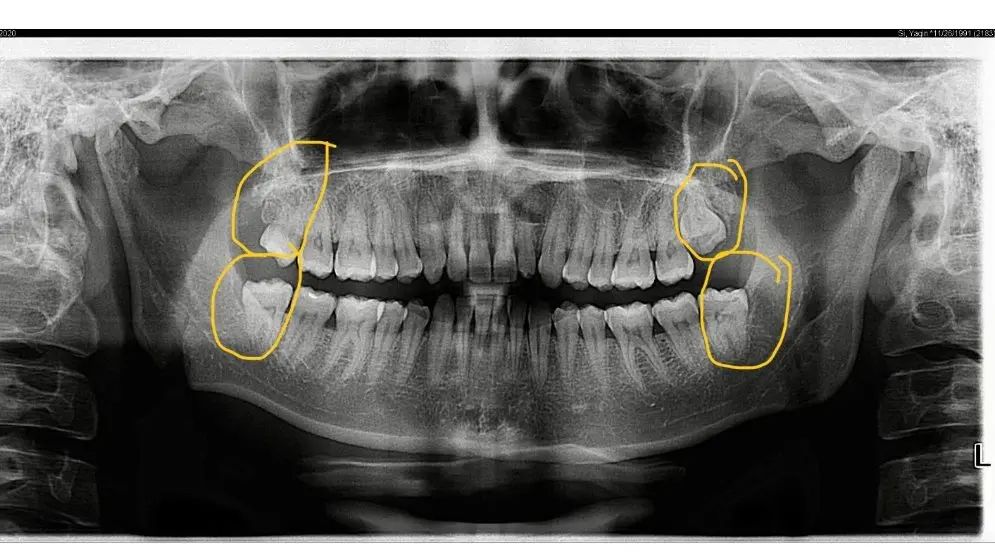
- Advanced imaging: CBCT and panoramic X-rays for precise diagnoses and safer surgeries.
- Infection control protocols: written sterilization procedures, single-use items where appropriate, and proof of equipment validation.
- Credentials and experience: dentists trained in China and abroad, memberships in reputable dental associations, and case galleries with transparent outcomes.
To assess credibility:
- Read independent reviews beyond the clinic’s site.
- Request a written treatment plan with timelines and materials explained in plain language.
- Confirm warranty or follow-up policies, especially for implants and prosthetics.
- Ask about lab partnerships—high-quality dental labs matter just as much as chairside care.
The language and service difference
One reason Kiwi
s are comfortable in Hong Kong-plus-China clinics is service design. Front desks often have English-speaking coordinators, treatment consent forms are available in multiple languages, and patient liaisons help with everything from airport pickups to post-op instructions. In Shenzhen and Guangzhou, clinics that regularly serve expats typically provide bilingual consultations and English discharge summaries you can share with your New Zealand dentist.
Getting there and around
- Flights: Auckland to Hong Kong offers frequent schedules, making it a straightforward first leg.
- Border crossings: From Hong Kong, the high-speed rail to Guangzhou and direct links to Shenzhen save time and simplify transitions. If you’re using a visa-free or transit scheme, plan your itinerary carefully to meet the entry rules and keep all supporting documents handy.
- Accommodation: Many clinics recommend nearby hotels and can help align appointment times with travel windows, especially for surgeries that require rest.
- Health records: Bring recent X-rays, medication lists, and allergy info. Your new clinic may repeat diagnostic imaging for precision, but sharing your history reduces surprises.
Planning the timeline
A sample flow many Kiwis follow looks like this:
- Pre-trip: Video consultation and preliminary plan; confirmation of documents and eligibility for any visa-free/transit options you intend to use.
- Day 1: In-person exam, imaging, and final treatment plan; start hygiene or minor procedures.
- Day 2–3: Major procedures (implants, root canals, or multiple restorations), with rest periods.
- Day 4–5: Follow-up checks and occlusion adjustments; receive aftercare kit and written instructions.
- Post-trip: Telecheck at 1–2 weeks; local hygiene follow-ups arranged with a New Zealand dentist.
Aftercare and continuity
Great outcomes hinge on great aftercare. Clarify:
- Pain management protocols and what to do if symptoms persist.
- How to handle complications once you’re back in New Zealand.
- What is covered by clinic warranties and how claims are processed.
- Coordination with a Kiwi dentist for maintenance cleanings and checkups.
Dental tourism isn’t a shortcut; it’s a different pathway to the same standard of care, with an added layer of planning.
How to choose the right clinic
- Prioritize transparency: clear treatment options, timeframes, and materials.
- Verify training: ask about postgraduate certificates, implant system brands, and lab partners.
- Measure responsiveness: prompt, clear answers before you commit are a positive signal.
- Consider specialization: complex cases benefit from specialists in periodontics, prosthodontics, or oral surgery under one roof.
- Compare plans, not just promises: consistency across multiple opinions can boost confidence.
A note on rules and ethics
Entry and transit policies can change. Always check official sources before travel, especially if you’re relying on transit-without-visa routes in Mainland China. Build a compliant itinerary and keep printouts of onward tickets, hotel bookings, and clinic confirmations. Ethically, choose clinics that prioritize conservative, evidence-based care over aggressive upsells, and insist on informed consent for every procedure.
The bottom line
Dental tourism via Hong Kong to China gives New Zealanders a practical blend of access, efficiency, and high-tech care. In 2026, the combination of visa-friendly entry to Hong Kong, evolving Mainland transit options, and dense networks of reputable clinics across the Greater Bay Area is reshaping how Kiwis plan their dental journeys. If you value shorter waits, modern dentistry, and a smooth travel experience, this route is worth a thoughtful look—just be sure to do your homework, plan your documents carefully, and put aftercare front and center. Your smile—and your peace of mind—will thank you.
















