









How long does pulpitis pain last? – Answered for You
Few things derail your day like a deep, throbbing toothache that seems to pulse with your heartbeat. If your dentist (or the internet) has mentioned “pulpitis,” you’re likely wondering how long this pain will last and what you can do about it. Here’s a clear, practical guide to help you understand the timeline, the why behind the pain, and the steps that actually bring relief.
The short answer: it depends on the type of pulpitis. Pulpitis means the soft tissue inside your tooth—the pulp, with its nerves and blood vessels—has become inflamed, usually due to decay, a crack, trauma, or a deep filling. There are two main categories:
- Reversible pulpitis: Pain tends to be brief and triggered by cold or sweet, lasting seconds to a few minutes after the stimulus is removed. It can come and go over days or even weeks, but it typically settles once the cause is treated (like a filling) and the pulp calms down.
- Irreversible pulpitis: Pain is more intense, often spontaneous, and can last for hours. It may wake you at night, linger after hot stimuli, and radiate to the jaw or ear. Without proper dental treatment, it can persist for days to weeks and won’t truly go away until the nerve dies or the tooth is treated.
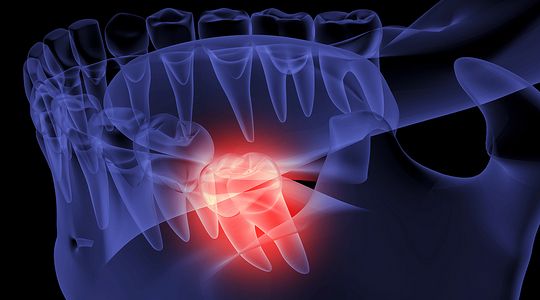
What exactly is happening in your tooth? The pulp lives in a rigid chamber inside the tooth. Inflammation increases pressure, which irritates the nerves. Because the surrounding dentin and enamel can’t expand, even mild swelling hurts. That’s why tooth pain can feel disproportionate to the problem—and why lying down often makes it worse (more blood pressure in the head increases pulp pressure).
How to tell which kind you might have
These clues can help you (and your dentist) estimate how long your pain may last:
- Reversible pulpitis:
- Pain is sharp and triggered by cold air, cold drinks, or sugar.
- Discomfort stops within seconds to a couple of minutes after removing the trigger.
- No spontaneous nighttime pain.
- The tooth may be sensitive to touch but not severely tender to bite.
- Irreversible pulpitis:
- Pain is spontaneous, throbbing, and can last 10 minutes to hours.
- Hot liquids make it worse, and cold sometimes gives brief relief.
- Pain wakes you up, and painkillers only partially help.
- The tooth may be tender to chew or tap; the pain can radiate.
How long can it last without treatment?
- Reversible pulpitis: The pain may flare with triggers and settle between episodes for days to several weeks. In some cases, if the irritant is removed quickly (for example, a shallow cavity is cleaned and filled), the pulp heals and the sensitivity fades within a few days. If the cause isn’t addressed, it can progress to irreversible pulpitis.
- Irreversible pulpitis: The severe pain can persist and cycle over days to weeks. Paradoxically, pain may suddenly diminish when the pulp tissue dies (pulp necrosis), but this is not good news. Infection can then spread to the surrounding bone and gums, often leading to a dental abscess, swelling, and a different kind of throbbing pain and tenderness. Left unchecked, this can become serious.
How long does it take to feel better once you start treatment?
Relief can be surprisingly quick
once the right dental treatment begins.
- For reversible pulpitis, addressing the cause—like placing a filling, smoothing a high spot, or treating gum recession—often reduces sensitivity within 24 to 72 hours, though some mild zings can linger for up to two weeks as the nerve settles.
- For irreversible pulpitis, opening the tooth to remove inflamed pulp (the first step of a root canal) frequently brings significant relief within hours to a day. Soreness when biting can linger for a few days as tissues heal.
- If the tooth is too compromised, extraction can stop nerve pain immediately, with postoperative soreness peaking around 24 to 48 hours and improving over several days.
A key point: antibiotics don’t cure pulpitis. They may be prescribed if there’s spreading infection or swelling, but the source—inside the tooth—must be treated by a procedure (root canal or extraction) to resolve the pain long-term.
What can make pulpitis pain seem worse—or last longer?
- Heat and lying flat can increase throbbing.
- Chewing on the tooth or grinding at night aggravates inflammation.
- Over-the-counter pain relievers can take the edge off but won’t fix the cause; if you stop them without dental treatment, the pain returns.
- Delaying care can allow a reversible problem to become irreversible.
Safe ways to cope until you see a dentist
- Use over-the-counter pain relievers as directed by their labels (avoid exceeding doses and be aware of interactions or health conditions; consult a pharmacist or clinician if unsure).
- Rinse gently with warm salt water.
- Keep your head elevated, especially at night.
- Avoid very hot drinks, very cold bites if they trigger pain, and sugary snacks.
- Chew on the opposite side and avoid hard foods.
- Do not place aspirin directly on the gums or tooth; it can burn tissue.
- Avoid applying heat to the face; cold compresses can help numb and reduce swelling.
When to seek urgent care
- You have facial swelling, fever, difficulty swallowing or breathing, or swelling under the tongue.
- Pain is severe and unrelenting, or you’re waking repeatedly at night.
- There’s trauma to the tooth with looseness or a visible crack.
Preventing another round
- Keep up with twice-yearly dental checkups (or as advised) to catch small cavities before they reach the pulp.
- Brush twice daily with fluoride toothpaste and floss once daily.
- Limit frequent snacking and sugary drinks; sip water often.
- Use a custom night guard if you grind your teeth.
- Address clenching, dry mouth, or acid reflux with your healthcare providers.
Bottom line: How long does pulpitis pain last?
- Brief, trigger-based pain from reversible pulpitis often lasts seconds to minutes and can come and go over days or weeks. With proper dental treatment, it typically improves within a few days.
- Severe, spontaneous pain from irreversible pulpitis can last hours at a time and persist for days to weeks, and it won’t truly resolve without dental treatment. Pain may fade if the nerve dies, but the infection can worsen and lead to swelling and new pain.
If your toothache feels like more than a fleeting twinge, don’t wait it out. The sooner you treat the cause, the sooner the pain stops—and the better your chances of saving the tooth.
















