



Baby Teeth Order in Shenzhen: What Patients Actually Say
If you’re a parent in Shenzhen googling “baby teeth order,” you’re not alone. Between fast-paced city life, bilingual households, and a dizzying number of clinics, parents here want clear, practical answers. The good news: while every child is unique, dentists in Shenzhen largely follow the same science-backed eruption timeline used worldwide—and local families have plenty to share about what actually helps.
What “baby teeth order” really means
“Baby teeth order” refers to the typical sequence primary teeth emerge. In many children, the lower central incisors come first, followed by upper central and lateral incisors, first molars, canines, and second molars. The window is broad and healthy: some babies get a tooth at 5 months; others not until 12 or 13 months. That’s normal. What matters more than the exact month is the overall pattern and symmetry.
What Shenzhen parents are noticing
Parents across Futian, Nanshan, and Longgang repeat the same theme: timing varies, but the pattern tends to fall into place. Here’s how they describe it:
- “Our first tooth showed up late, around 11 months, and then they came in pairs like clockwork.”
- “The bottom two popped, then a long pause, and suddenly four at once. Teething really does come in waves.”
- “We worried because the top teeth came before the bottom—but the dentist said sequence can shuffle and still be perfectly fine.”
A few local factors come up a lot:
- Bilingual guidance and clear charts: Families value clinics that explain the eruption chart in both English and Chinese, so everyone at home can track progress.
- Appointment systems: Booking via WeChat mini-programs is common. Parents prefer clinics with flexible weekend slots to avoid long waits with a fussy teether.
- Diet and snacks: With ready access to fruit stands and milk tea shops, families are mindful about sugars sticking to new teeth and ask dentists about safe snack routines.
- Water and fluoride questions: Many households use bottled or filtered water. Dentists here often discuss fluoride varnish and toothpaste as targeted ways to protect early enamel, rather than relying on water sources.
What patients actually say about teething and dentist visits
Parents often echo these sentiments:
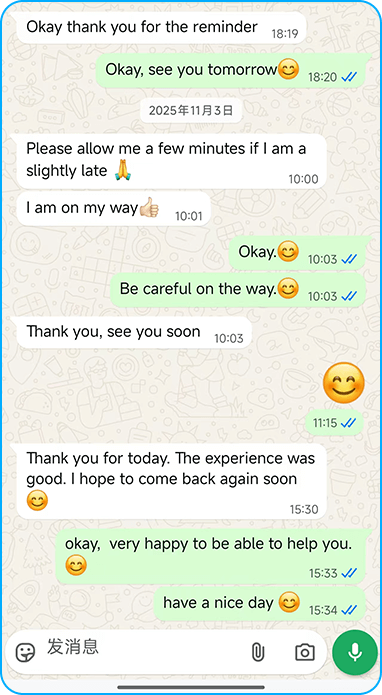
- “The eruption chart gave me peace of mind. I pinned it on the fridge; we mark teeth as they appear.”
- “Our dentist said: look for a general pattern, not a date on the calendar. That helped me stop comparing my child with others.”
- “Fluoride toothpaste felt scary at first, but using just a rice-sized smear as advised made sense.”
- “The clinic’s play corner saved us. If you can, choose a space designed for kids—you’ll thank yourself.”
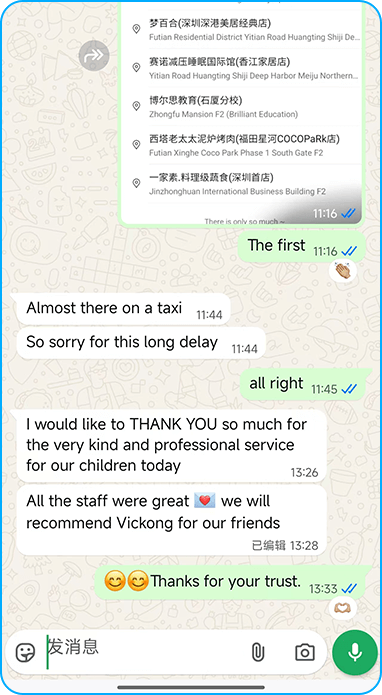
- “Bilingual reminders and post-visit notes made it easy for grandparents to follow the brushing routine.”
How Shenzhen dentists guide families
- First visit timing: Many pediatric dentists here recommend a first dental visit by the first tooth or first birthday. Early visits are about prevention—checking eruption, discussing feeding and brushing, and mapping out what’s next.
- Reading the eruption chart: They’ll show a chart and track whether teeth are arriving in a broad, symmetrical way. Mild deviations are common. A bigger red
flag is a tooth that seems stuck under swollen gums for months with pain or swelling.
- Habits and spacing: Thumb sucking and prolonged bottle use can affect spacing and bite. Dentists suggest gentle habit-shaping and using cups as children grow.
- Cleaning basics: Before teeth, wipe gums with a clean, damp cloth. After the first tooth appears, use a soft, baby-size brush. A smear (rice-sized) of fluoride toothpaste is commonly advised until age three, then a pea-sized amount—spit, don’t rinse if your dentist recommends it.
- When to ask more questions: If no teeth by 15–18 months, if eruption is very asymmetric (for example, one front tooth appears with no partner for many months), or if there’s persistent bleeding, swelling, or fever unrelated to teething, a checkup is wise.
Practical tips parents in Shenzhen swear by
- Book early and keep it short: Morning appointments often suit babies better. Aim for visits that focus on prevention and comfort rather than trying to do everything in one go.
- Pack smart: Bring a favorite toy, small snacks for after the exam (non-sticky), and a list of your questions. Photos or notes about when each tooth emerged help your dentist give tailored advice.
- Choose pediatric-friendly clinics: Look for child-sized tools, distraction techniques, and staff trained in behavioral guidance. Parents say it makes a world of difference.
- Brush routines that actually stick: Many families do a quick brush during bath time when kids are relaxed, then a final gentle brush right before bedtime with minimal fuss.
- Sugar smarts, Shenzhen-style: Fresh fruit is great, but try to keep it to meal times. If your child loves congee, add texture over time and avoid sweetened versions sticking to teeth. Offer water after snacks.
FAQs parents ask in Shenzhen
- Is teething later in Shenzhen? Not specifically. Genetics and individual development play the biggest roles. The city environment mainly affects convenience and habits, not biology.
- Do we need an X-ray to check “missing” teeth? Usually not for typical teething. X-rays are considered only if the dentist suspects an underlying issue based on exam and history.
- How can we soothe teething discomfort? Chilled (not frozen) teething rings, gentle gum massages, and lots of cuddles. If discomfort seems severe or your child has a fever, consult your pediatrician or dentist.
- Can new teeth look uneven or chalky? Early enamel can appear slightly mottled or chalky. Your dentist will check for early decay and guide you on fluoride use and diet.
The bottom line
In Shenzhen, parents aren’t chasing a perfect month-by-month schedule; they’re tracking a general order, keeping visits proactive, and building easy habits that fit city life. The most repeated advice from families and dentists alike: focus on patterns, not exact dates; make the first visit early and friendly; and protect those first teeth with simple daily routines. If something feels off—timing, symmetry, or comfort—book a quick check. Most of the time, reassurance and a clear plan are all you need.
This article offers general information and parent-tested tips. For personalized guidance, consult a licensed pediatric dentist in Shenzhen who can assess your child’s unique teething timeline and oral health.