









Why did my root canal fail? – What to Know Before You Decide
Hearing that a root canal might have failed can feel frustrating, especially if you were counting on it to save your tooth for the long term. The good news is that a failed root canal doesn’t always mean the end of the road. Understanding why it happens, how to recognize the signs, and what your next options are will help you make a confident, informed decision.
What counts as a “failed” root canal?
After a root canal, most people expect the pain to disappear quickly and the tooth to function normally again. Some tenderness for a few days is common, especially to biting or pressure. That healing window can stretch to a couple of weeks if the tooth was very inflamed before treatment.
We usually use the term “failure” when:
- Pain persists or worsens several weeks after treatment.
- There’s swelling, a pimple-like bump on the gums (a sinus tract), or drainage.
- The tooth feels loose or tender to chewing long-term.
- A new dark shadow (radiolucency) appears on an X-ray around the root tip or an existing one doesn’t improve over time.
- The crown or filling leaks and bacteria re-enter the tooth.
Early discomfort doesn’t automatically mean failure, so timing and testing matter.
Common reasons a root canal can fail
Root canals have a high success rate, but teeth and bacteria can be surprisingly complex. Here are the most frequent culprits when things don’t go as planned:
1) Missed canals or complex anatomy
Many teeth have accessory canals, extra roots, or unusual curves that are hard to detect, especially in molars. If a canal is missed or not cleaned to its full length, bacteria can persist.
2) Persistent or resistant infection
Some bacteria form biofilms or hide in microscopic tubules inside the dentin. If they survive cleaning, they can cause lingering inflammation at the tip of the root.
3) Leaky restoration
If the temporary or permanent filling isn’t well sealed, or if you delay getting a permanent crown, saliva and bacteria can re-contaminate the tooth.
4) New decay or cracks
Decay at the margin of a crown or a crack in the tooth can create a new pathway for infection. A vertical root fracture is especially troublesome and often not salvageable.
5) Gum disease around the tooth
Periodontal pockets can complicate healing, especially if they connect with the root tip area (endo-perio lesions).
6) Occlusal (bite) stress
Grinding or clenching can overload a recently treated tooth, keep ligaments inflamed, or contribute to cracks.
7) Instrument or material issues
Separated instruments, ledges, or perforations during treatment don’t always cause failure, but they can make thorough cleaning and sealing more difficult.
How to tell if your root canal is failing
Pay attention to your body and the timeline. Signs to watch for:
- Throbbing or sharp pain that lasts more than 2–3 weeks post-treatment.
- Pain that wakes you at night or worsens when you lower your head.
- Swelling of the gums or face, a bad taste, or a gum pimple that comes and goes.
- Sensitivity to biting that doesn’t steadily diminish.
- X-ray changes showing persistent or enlarging darkness at the root tip.
A dentist or endodontist will typically evaluate with:
- Clinical exam: palpation, percussion (tapping), bite tests, gum probing.
- X-rays from different angles; sometimes 3D imaging (CBCT) to find missed canals or cracks.
- Bite analysis to check for high spots.
- Assessm
ent of the crown or filling seal.
Your treatment options if a root canal fails
The best choice depends on the tooth’s condition, your oral health, and your goals. Common paths include:
- Nonsurgical retreatment: The dentist reopens the tooth, removes old root canal filling material, cleans and disinfects the canals again (including any missed areas), and reseals them. Success rates are high when there’s no major crack and the new restoration seals well.
- Apicoectomy (surgical endodontics): If retreatment isn’t feasible or didn’t resolve the infection, a minor surgery can address the problem from the root tip. The end of the root is trimmed, infected tissue is removed, and a small retrograde filling is placed to seal the tip.
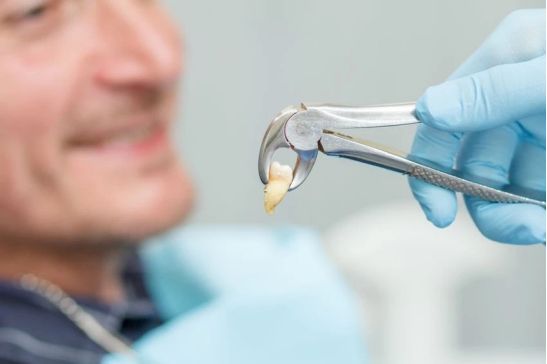
- Extraction and replacement: When a vertical fracture is present, bone loss is severe, or the tooth can’t be restored predictably, removing the tooth may be healthier. Replacement options include a dental implant, bridge, or a removable partial, depending on your situation and your dentist’s recommendations.
- Symptom management and watchful waiting: If symptoms are minimal and X-rays show improvement, your dentist may monitor healing. Some lesions take months to resolve.
What to consider before you decide
- Tooth restorability: Is there enough healthy tooth left above the gum line for a durable crown? A ferrule (a band of sound tooth structure) is crucial for long-term success.
- Gum and bone health: Treating periodontal issues improves the outlook for any retreatment.
- Crack risk: Teeth with deep cracks or vertical fractures have poor prognosis. CBCT and microscope-assisted exams can help detect them.
- Functional importance: Molars bear heavy loads; losing one may shift bite forces. On the other hand, a compromised molar with a guarded prognosis might justify a different plan.
- Convenience and comfort: Retreatment and apicoectomy require time and follow-ups. Ask about the expected healing timeline and any activity restrictions.
How to reduce the chance of future failure
- Don’t delay the final crown. A good, timely seal is one of the strongest predictors of success.
- Choose meticulous technique. Rubber dam isolation, adequate irrigation, and use of magnification make a difference—often best handled by an endodontist for complex cases.
- Protect your bite. If you clench or grind, a night guard can reduce stress on the tooth.
- Keep decay at bay. Floss daily, use fluoride toothpaste, and see your dentist regularly to catch early leakage or decay around the crown margins.
- Be gentle after treatment. Avoid chewing hard foods on the treated tooth until it’s fully restored.
What pain is normal after retreatment?
You might feel mild to moderate soreness for a few days, especially when chewing. Over-the-counter pain relievers as advised by your dentist and warm saltwater rinses usually help. Pain should trend down, not up. Sudden swelling, fever, or pain that escalates warrants a prompt call to your provider.
Bottom line
A failed root canal is disappointing, but it’s not the whole story. Most failures have a clear reason—missed anatomy, reinfection from a leaky seal, cracks, or gum problems—and many can be fixed with retreatment or a targeted surgical approach. The key is a careful diagnosis, a realistic look at the tooth’s restorability, and a well-sealed final restoration. With the right plan, you can protect your comfort today and your oral health for the long run.
















