









How to tell if a root canal failed? – Find Out More
A well-done root canal can save a tooth for many years, often for life. Still, a small percentage don’t heal as expected or become reinfected later. If you’re wondering whether your root canal failed, the key is to know what’s normal during healing versus what suggests a lingering problem. Here’s a clear, dentist-informed guide to help you spot warning signs, understand why failures happen, and learn what to do next.
What a successful recovery feels like
After a root canal, mild soreness is common for a few days, especially when chewing. Over-the-counter pain control, gentle brushing, and avoiding hard or sticky foods on that side usually help. Within one to two weeks, tenderness should noticeably improve, and you should be able to chew normally.
Red flags that may point to a failed root canal
Not all discomfort signals failure, but these symptoms deserve attention, especially if they persist or worsen:
- Pain that doesn’t improve after a week or suddenly returns months later
- Lingering pain when biting or tapping the tooth
- Swelling of the gums, face, or jaw near the treated tooth
- A pimple-like bump on the gum (sinus tract) that drains fluid
- A foul taste or persistent bad breath coming from one area
- Sensitivity that lingers to hot or cold (some sensitivity early on can be normal)
- Tooth discoloration that darkens over time
- A feeling that the bite is “high” or the tooth feels different when you close
Early healing vs. true failure
- First 48–72 hours: Soreness or tenderness? Normal. Sharp worsening pain, spreading swelling, or fever? Not normal—call your dentist.
- 1–2 weeks: Most people improve steadily. If pain remains significant, chewing is difficult, or a gum pimple appears, you may be dealing with unresolved infection or irritation.
- Months to years later: A tooth can feel fine for a long time and then become symptomatic again. Late symptoms often indicate reinfection, a missed canal, a cracked tooth, or breakdown of the seal under an old filling or crown.
Why root canals sometimes fail
Root canal therapy aims to disinfect and seal a complex internal space. Several factors can lead to persistent bacteria or reinfection:
- Missed canal anatomy: Some teeth have hidden or extra canals that are hard to locate.
- Persistent bacteria or biofilm: Resistant microbes can remain in tiny lateral canals or dentinal tubules.
- Leaky restoration: If the temporary or final filling/crown doesn’t seal well—or is delayed too long—bacteria can re-enter.
- Cracked tooth or fractured root: A crack acts like a highway for microbes, making reinfection more likely.
- Complex infections or curved roots: Difficult anatomy can limit cleaning and sealing.
- New decay: Cavities at the margin of a crown or filling allow contamination.
- Heavy bite or grinding: Excessive forces can inflame the ligament around the tooth and stress restorations.
How dentists confirm a failed root canal
You can’t diagnose failure at home, but a dentist or endodontist has tools and tests to figure it out:
- Detailed exam and
history: Where it hurts, what triggers it, and when it started.
- Percussion and palpation: Gentle tapping and pressure help localize inflammation.
- Bite test: Isolated pressure on different cusps can reveal cracks or bite-related pain.
- Periodontal probing: Deep, isolated pockets along one root can indicate a vertical fracture.
- Cold or electric tests: Though the nerve is removed, nearby teeth and unusual responses can guide diagnosis.
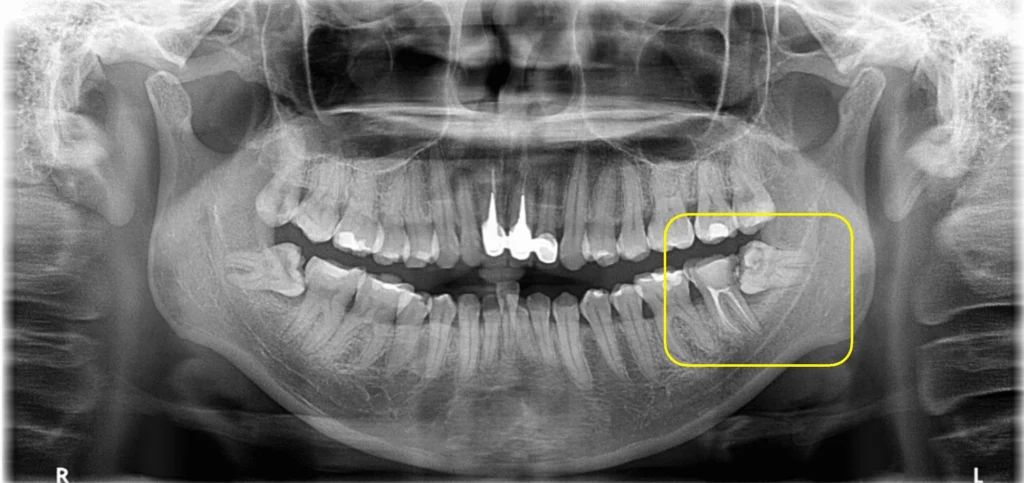
- X-rays (periapical) and cone-beam CT (CBCT): Imaging shows hidden canals, missed roots, lesions at the root tip, fractures, and the quality of previous fillings.
- Evaluation of the restoration: Checking for leakage, decay, open margins, or a high bite.
What your options look like
Good news: Even if a root canal fails, the tooth can often be saved.
- Nonsurgical retreatment: The dentist removes the old root canal filling, disinfects the canals again, addresses missed anatomy, and reseals the tooth. This is common and often successful.
- Apicoectomy (root-end surgery): If retreatment isn’t ideal or doesn’t resolve the problem, a specialist can access the root tip through the gum, remove infected tissue, and place a small seal at the root end.
- Extraction and replacement: If the tooth is cracked beyond repair or infection persists, removal may be recommended. Replacement options include a bridge or an implant-supported crown. Your dentist will help you weigh function, longevity, and your overall oral health.
What you can do right now
- Track symptoms: Note when pain starts, what triggers it (chewing, hot/cold), and any swelling or gum bumps.
- Protect the tooth: Avoid hard or sticky foods on that side. If you grind, ask about a night guard.
- Keep it clean: Floss and brush carefully; plaque near the gumline can worsen inflammation.
- Don’t delay evaluation: The earlier a reinfection is addressed, the better the chance of saving the tooth.
Prevention tips after a root canal
- Complete the final restoration promptly: A well-sealed filling or crown protects against reinfection.
- Maintain routine checkups: X-rays can catch subtle changes before symptoms flare.
- Address bite issues: If your bite feels off after treatment or a new crown, get it adjusted.
- Manage grinding or clenching: A protective appliance reduces stress on treated teeth.
- Prioritize hygiene: Daily brushing, flossing, and fluoride help prevent new decay around restorations.
When to call urgently
- Facial swelling that’s spreading or worsening
- Fever, malaise, or trouble swallowing
- Severe pain that doesn’t respond to over-the-counter medication
These can indicate a serious infection that needs prompt care.
Bottom line
Some soreness after a root canal is normal, but pain that lingers or returns, swelling, a gum pimple, bad taste, or bite tenderness are not signs to ignore. A failed root canal doesn’t mean the end of the road for your tooth—retreatment or minor surgery can often solve the problem. The sooner you get a professional evaluation, the more options you’ll have and the better your chances of keeping your smile healthy and comfortable.
















